THE ADVENTURE COLLECTIVE® · Independent discovery and booking for outdoor travel

Scale the 5th-century Sigiriya Rock Fortress in the cool of morning, then slow down in a nearby village to experience traditional Sri Lankan life—ox carts, catamarans and homestyle cooking. This full-day tour from Dambulla pairs history with hands-on culture.
Scale the 5th-century Sigiriya Rock Fortress in the cool of morning, then slow down in a nearby village to experience traditional Sri Lankan life—ox carts, catamarans and homestyle cooking. This full-day tour from Dambulla pairs history with hands-on culture.
You arrive before the heat—fog still clinging to the paddy fields and the monolith of Sigiriya rising like a solitary island in a sea of green. The morning light pulls the rock’s red and ochre faces into relief while the first finger of tourists thread the iron staircases carved into its flank. The air smells of wet earth and wood smoke from village hearths; somewhere a farmer steers an oxcart along a narrow lane. This tour stitches two contrasting experiences together: the breath-stealing ascent of a 5th-century royal citadel and a slow immersion into contemporary village rhythms.
Verified experiences and guided adventures in the surrounding area.
Operated by Lakpura LLC · Sigiriya, Central Province
You arrive before the heat—fog still clinging to the paddy fields and the monolith of Sigiriya rising like a solitary island in a sea of green. The morning light pulls the rock’s red and ochre faces into relief while the first finger of tourists thread the iron staircases carved into its flank. The air smells of wet earth and wood smoke from village hearths; somewhere a farmer steers an oxcart along a narrow lane. This tour stitches two contrasting experiences together: the breath-stealing ascent of a 5th-century royal citadel and a slow immersion into contemporary village rhythms.
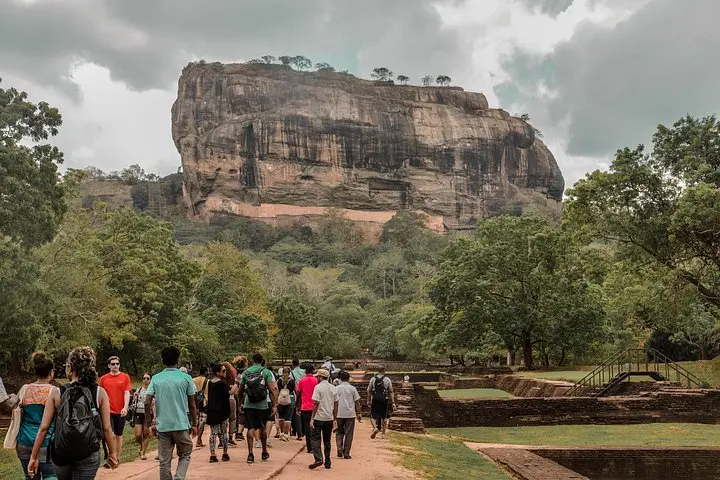
Sigiriya was raised by King Kasyapa around 477–495 AD as a fortified palace perched atop a 200-meter volcanic plug. The fortress’ plateau is a study in early urban engineering—terraced gardens, hydraulic baths and frescoed rock galleries that challenge our assumptions about ancient South Asian architecture. Geologically the rock is a hardened magma core, its sheer walls a product of long erosion that left a resistant spine jutting from the plain. Below, the villages around Sigiriya retain living practices: rice cultivation, traditional cooking, and boat rides on shallow, reed-choked lakes where birds make their morning announcements.
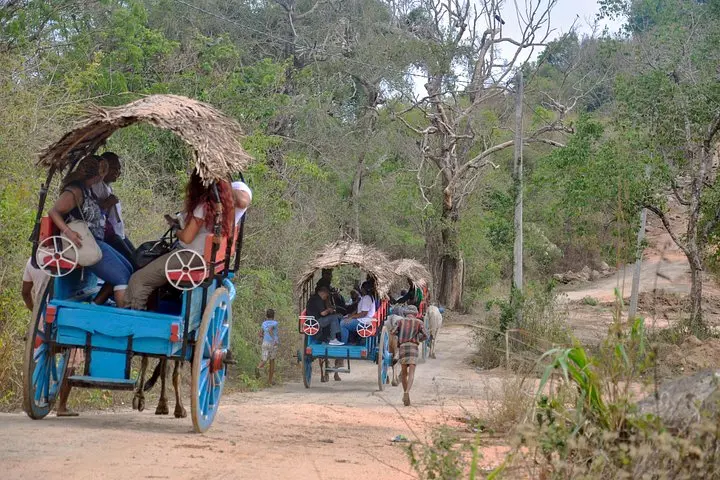
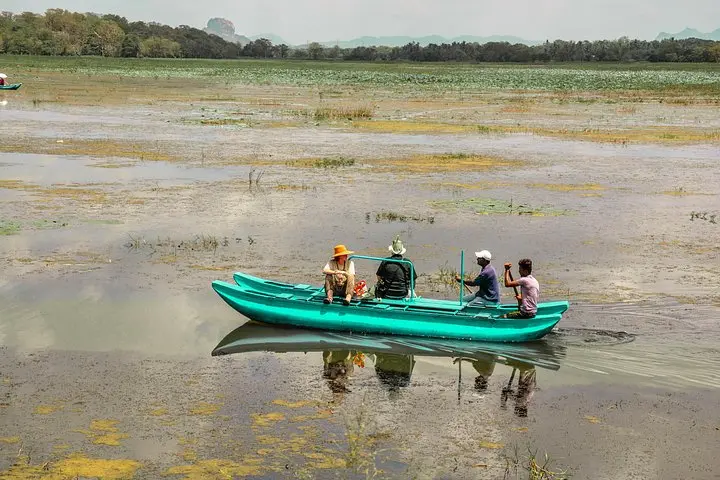
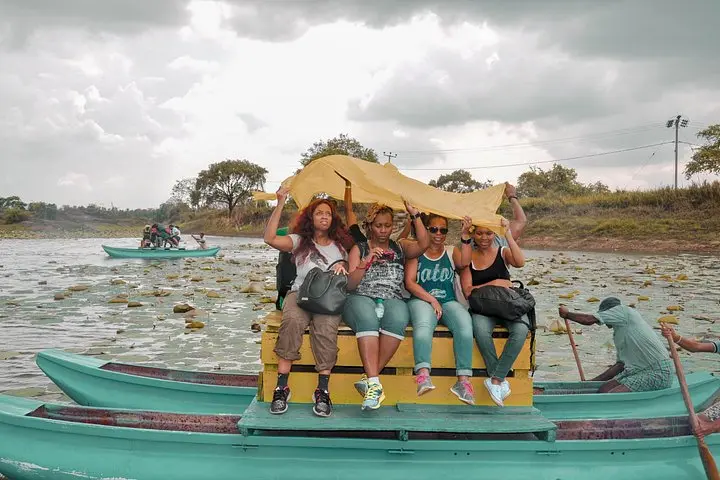
The day begins with hotel pickup in Dambulla and a roughly 30–40 minute drive to the site. Expect a 6–7 hour outing in total. The climb to the summit involves roughly 1,000–1,200 steps and an elevation gain near 200 meters—iron stairways and metal platforms give access to frescoes, the mirror wall and the palace remains. Wear shoes with good grip; the staircases can be slippery, and several sections are exposed with open views. After the climb the tour moves at village pace: a catamaran or oxcart ride, a demonstration of traditional cooking, and a buffet-style lunch of local dishes that showcase coconut, chili and freshly grown greens.
Practical notes: visit early to avoid mid-day heat and crowds, carry at least 1–2 liters of water, and bring sun protection. If you have spinal or serious cardiovascular issues, skip the ascent—travel notes advise moderate fitness and caution for pregnant visitors. Entrance fees to Sigiriya are separate; confirm admission with your operator. The village portion rewards slower senses—bring insect repellent and a willingness to try hands-on activities.
This itinerary is equal parts spectacle and slow-travel: the rock’s panoramic sweep demands a head for heights, while the village invites careful listening—boats oaring through lilies, a child’s laughter, the steady thump of rice being pounded. It’s a full day that pairs a singular archaeological high point with an accessible window onto rural Sri Lanka.
The tour runs about 7 hours (420 minutes) including hotel pickup/drop-off, the Sigiriya climb, village activities and lunch.
The climb is steep and involves roughly 1,000–1,200 steps with about 200 meters of elevation gain—manageable for those with moderate fitness but not recommended for people with spinal or serious heart conditions.
Admission to Sigiriya is typically not included in the tour price—confirm at booking so you can pay separately at the site if required.
Older children who can handle long stair climbs should be fine; very young kids may find the ascent tiring and parents should assess safety on exposed platforms.
This tour includes an English-speaking chauffeur-guide; check availability for other languages when booking.
The tour includes a traditional buffet lunch and two 500 ml bottled waters per person, but bringing extra water and snacks is recommended for the climb.
Lakpura LLC operates guided outdoor trips and adventures with an emphasis on safety, stewardship, and memorable experiences.
You arrive before the heat—fog still clinging to the paddy fields and the monolith of Sigiriya rising like a solitary island in a sea of green. The morning light pulls the rock’s red and ochre faces into relief while the first finger of tourists thread the iron staircases carved into its flank. The air smells of wet earth and wood smoke from village hearths; somewhere a farmer steers an oxcart along a narrow lane. This tour stitches two contrasting experiences together: the breath-stealing ascent of a 5th-century royal citadel and a slow immersion into contemporary village rhythms.
You arrive before the heat—fog still clinging to the paddy fields and the monolith of Sigiriya rising like a solitary island in a sea of green. The morning light pulls the rock’s red and ochre faces into relief while the first finger of tourists thread the iron staircases carved into its flank. The air smells of wet earth and wood smoke from village hearths; somewhere a farmer steers an oxcart along a narrow lane. This tour stitches two contrasting experiences together: the breath-stealing ascent of a 5th-century royal citadel and a slow immersion into contemporary village rhythms.
Sigiriya was raised by King Kasyapa around 477–495 AD as a fortified palace perched atop a 200-meter volcanic plug. The fortress’ plateau is a study in early urban engineering—terraced gardens, hydraulic baths and frescoed rock galleries that challenge our assumptions about ancient South Asian architecture. Geologically the rock is a hardened magma core, its sheer walls a product of long erosion that left a resistant spine jutting from the plain. Below, the villages around Sigiriya retain living practices: rice cultivation, traditional cooking, and boat rides on shallow, reed-choked lakes where birds make their morning announcements.
The day begins with hotel pickup in Dambulla and a roughly 30–40 minute drive to the site. Expect a 6–7 hour outing in total. The climb to the summit involves roughly 1,000–1,200 steps and an elevation gain near 200 meters—iron stairways and metal platforms give access to frescoes, the mirror wall and the palace remains. Wear shoes with good grip; the staircases can be slippery, and several sections are exposed with open views. After the climb the tour moves at village pace: a catamaran or oxcart ride, a demonstration of traditional cooking, and a buffet-style lunch of local dishes that showcase coconut, chili and freshly grown greens.
Practical notes: visit early to avoid mid-day heat and crowds, carry at least 1–2 liters of water, and bring sun protection. If you have spinal or serious cardiovascular issues, skip the ascent—travel notes advise moderate fitness and caution for pregnant visitors. Entrance fees to Sigiriya are separate; confirm admission with your operator. The village portion rewards slower senses—bring insect repellent and a willingness to try hands-on activities.
This itinerary is equal parts spectacle and slow-travel: the rock’s panoramic sweep demands a head for heights, while the village invites careful listening—boats oaring through lilies, a child’s laughter, the steady thump of rice being pounded. It’s a full day that pairs a singular archaeological high point with an accessible window onto rural Sri Lanka.