THE ADVENTURE COLLECTIVE® · Independent discovery and booking for outdoor travel

A guided climb up Sugarloaf (Pão de Açúcar) combines trail hiking, slabby granite scrambling and a short assisted rock pitch, finishing with a cable-car descent. Expect about four hours, expert local guides, and sweeping views of Rio’s coastline.
A guided climb up Sugarloaf (Pão de Açúcar) combines trail hiking, slabby granite scrambling and a short assisted rock pitch, finishing with a cable-car descent. Expect about four hours, expert local guides, and sweeping views of Rio’s coastline.
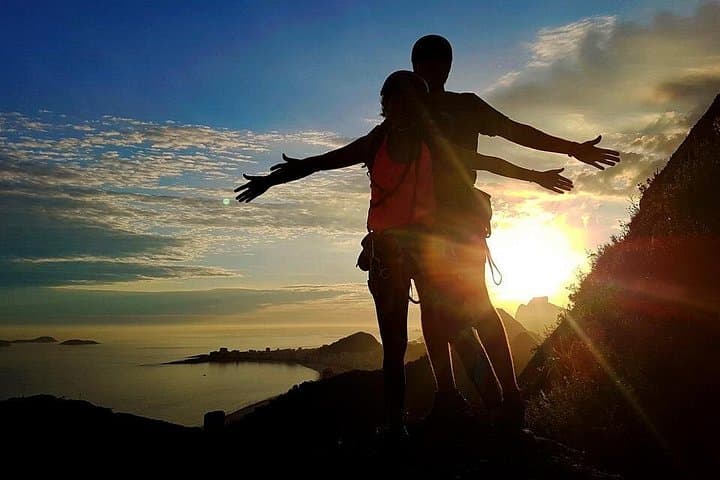
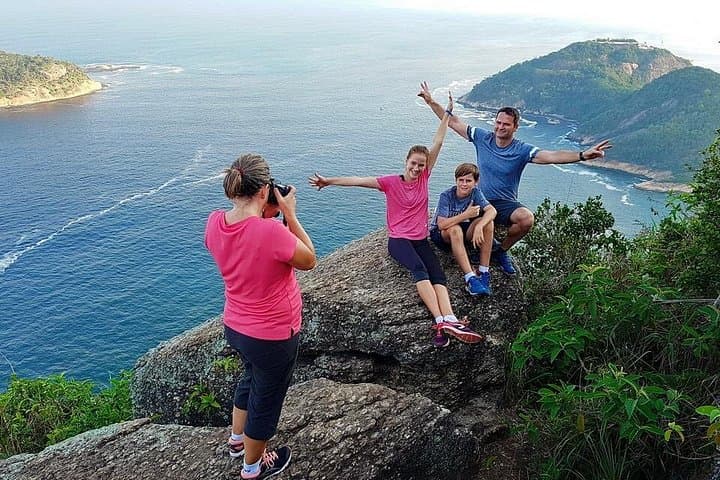
You step off the narrow street of Urca and the rock looms: a sheer, bronzed flank rising from the bay, the Atlantic breeze testing your balance as gulls wheel above. The route follows a mix of singletrack, slabby granite and short vertical pitches — a route that feels more like a city-secret ascent than a tourist cable-car run. Guides move deliberately, clipping you in where the rock steepens and pointing out the battered boot-holds polished by decades of footsteps.
Verified experiences and guided adventures in the surrounding area.
Operated by Companhia da Escalada · Rio de Janeiro, Rio de Janeiro
You step off the narrow street of Urca and the rock looms: a sheer, bronzed flank rising from the bay, the Atlantic breeze testing your balance as gulls wheel above. The route follows a mix of singletrack, slabby granite and short vertical pitches — a route that feels more like a city-secret ascent than a tourist cable-car run. Guides move deliberately, clipping you in where the rock steepens and pointing out the battered boot-holds polished by decades of footsteps.
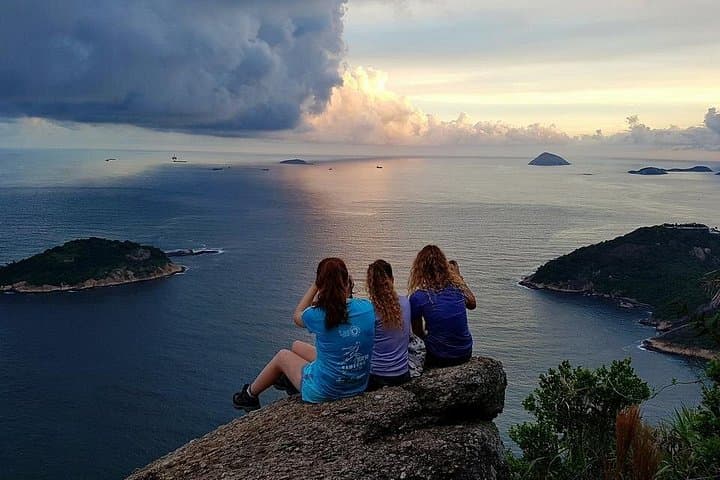
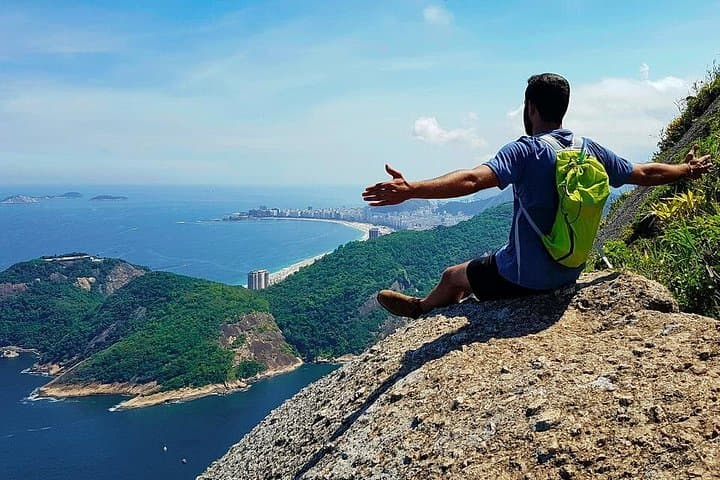
Geology here is blunt and ancient: Sugarloaf and Pedra Filosofal are granite intrusions pushed up by tectonic forces, sculpted by wind and sea into the steep domes Rio uses for its dramatic skyline. The cable car — operating since the early 20th century — transformed access, but the climbing route preserves an older, hands-on relationship with the mountain prized by locals and climbers alike. The climb threads Atlantic Forest fragments and low scrub, and offers cultural views: Copacabana’s curve, favelas clinging to slopes, and the city’s port life below.
Expect about four hours total: steady hiking, easy scrambling, and one exposed ~20‑meter assisted climb where guides use ropes, harnesses and helmets. The descent is half trail, half cable car, which feels like a reward after the effort.
Practical guidance: be fit enough for sustained uphill movement, wear grippy approach shoes, bring 1–2 liters of water, sun protection and a light wind layer. Times often start in early afternoon; plan transport back from the Urca neighborhood, and leave no trace — the mountain’s ecology is fragile. This route gives a raw, physical way to see Rio’s coast: the ocean daring you at every outcrop, the city laid out like a map beneath your feet.
No prior technical climbing is required; guides handle rope systems for the short vertical pitch, but you should be comfortable with scrambling and exposure.
Yes — most guided climbs include the cable car descent from Morro da Urca back to the base as part of the activity.
The operator recommends against this activity for pregnant travelers and people with serious heart conditions; moderate to good fitness is required.
Public transportation and taxis reach the Urca neighborhood; confirm the exact meeting location with the operator and allow extra time for narrow streets and traffic.
Companhia da Escalada operates guided outdoor trips and adventures with an emphasis on safety, stewardship, and memorable experiences.
You step off the narrow street of Urca and the rock looms: a sheer, bronzed flank rising from the bay, the Atlantic breeze testing your balance as gulls wheel above. The route follows a mix of singletrack, slabby granite and short vertical pitches — a route that feels more like a city-secret ascent than a tourist cable-car run. Guides move deliberately, clipping you in where the rock steepens and pointing out the battered boot-holds polished by decades of footsteps.
You step off the narrow street of Urca and the rock looms: a sheer, bronzed flank rising from the bay, the Atlantic breeze testing your balance as gulls wheel above. The route follows a mix of singletrack, slabby granite and short vertical pitches — a route that feels more like a city-secret ascent than a tourist cable-car run. Guides move deliberately, clipping you in where the rock steepens and pointing out the battered boot-holds polished by decades of footsteps.
Geology here is blunt and ancient: Sugarloaf and Pedra Filosofal are granite intrusions pushed up by tectonic forces, sculpted by wind and sea into the steep domes Rio uses for its dramatic skyline. The cable car — operating since the early 20th century — transformed access, but the climbing route preserves an older, hands-on relationship with the mountain prized by locals and climbers alike. The climb threads Atlantic Forest fragments and low scrub, and offers cultural views: Copacabana’s curve, favelas clinging to slopes, and the city’s port life below.
Expect about four hours total: steady hiking, easy scrambling, and one exposed ~20‑meter assisted climb where guides use ropes, harnesses and helmets. The descent is half trail, half cable car, which feels like a reward after the effort.
Practical guidance: be fit enough for sustained uphill movement, wear grippy approach shoes, bring 1–2 liters of water, sun protection and a light wind layer. Times often start in early afternoon; plan transport back from the Urca neighborhood, and leave no trace — the mountain’s ecology is fragile. This route gives a raw, physical way to see Rio’s coast: the ocean daring you at every outcrop, the city laid out like a map beneath your feet.