THE ADVENTURE COLLECTIVE® · Independent discovery and booking for outdoor travel

Skip the crowded cable car and earn the summit of Sugarloaf with a guided climb that mixes scrambling, a short roped pitch, and sweeping views of Guanabara Bay. This three-hour ascent blends geology, local stories, and practical climbing instruction for fit travelers.
Skip the crowded cable car and earn the summit of Sugarloaf with a guided climb that mixes scrambling, a short roped pitch, and sweeping views of Guanabara Bay. This three-hour ascent blends geology, local stories, and practical climbing instruction for fit travelers.
Morning light slices across Guanabara Bay and the granite flank of Sugarloaf Mountain, turning the ocean into a sheet of quicksilver. You meet your guide by the small soldier statue at the base of the cable car station and step toward a trail that trades the tourist rhythm for a climber’s cadence: exposed scrambles, a short roped pitch, and viewpoints that most visitors never see.
Verified experiences and guided adventures in the surrounding area.
Operated by Climb in Rio - Day Tours · Rio de Janeiro, Rio de Janeiro
Morning light slices across Guanabara Bay and the granite flank of Sugarloaf Mountain, turning the ocean into a sheet of quicksilver. You meet your guide by the small soldier statue at the base of the cable car station and step toward a trail that trades the tourist rhythm for a climber’s cadence: exposed scrambles, a short roped pitch, and viewpoints that most visitors never see.
Sugarloaf (Pão de Açúcar) is a coastal granite dome that rises abruptly from the sea — its rounded form shaped by millions of years of erosion and tectonic uplift. The cable car, an early 20th-century engineering icon, ferries many to the summit, but climbing gives a different education: geology under your hands, the history of Rio’s harbor threaded with colonial tales, and local guides who often weave contemporary culture into conversation.
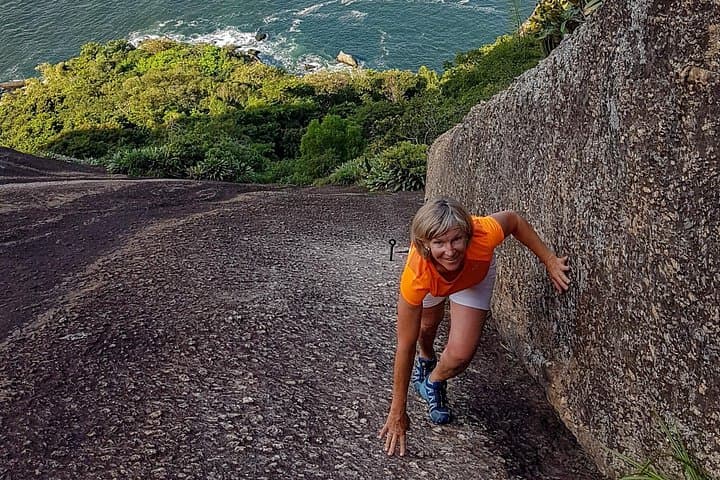
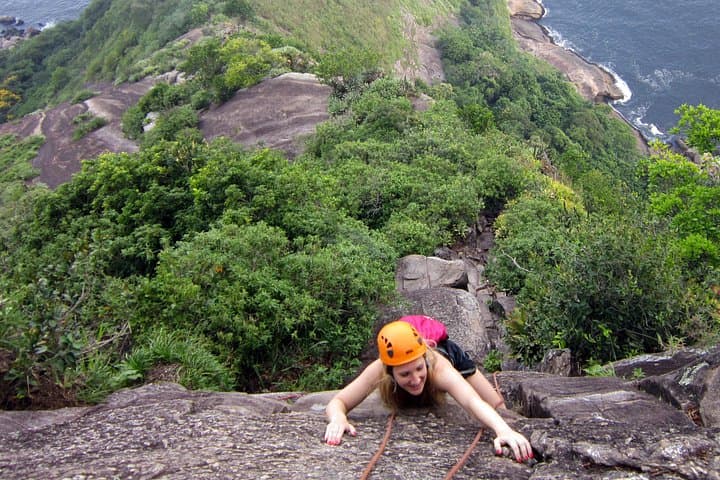
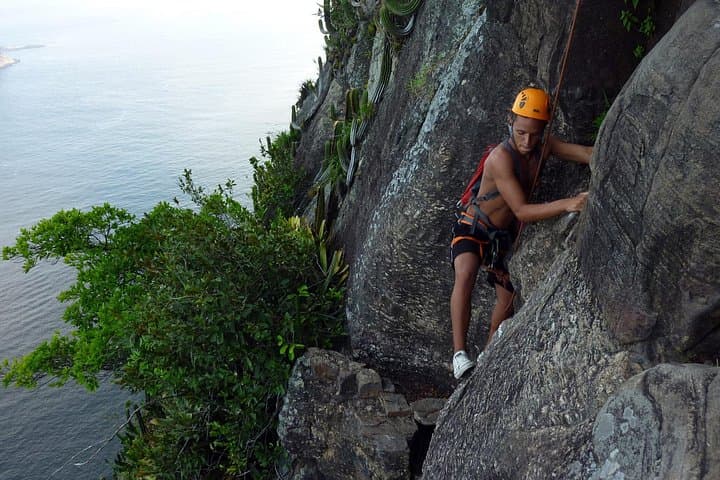
The route is steep but technically moderate: unroped scrambling, then a 15-meter guided pitch that uses rope and harness. Halfway, the Philosopher’s Stone offers a ledge view into the bay; at the top, Morro da Urca’s café feels earned. Descent is by cable car to Morro da Urca, then a short walk back to the start — the cable car descent is included for climbers.
Practical tips: start early for cooler temperatures and calmer winds, bring 1–2 liters of water, wear grippy approach shoes, and expect exposed sections that can unsettle those with a fear of heights. Weather cancels tours; guides prioritize safety and brief climbing instruction for newcomers. The climb is a compact, high-adrenaline way to know Rio beyond postcards.
No — guides provide instruction and all safety equipment; however, you should be comfortable with scrambling and exposure.
Climbers take the cable car from the summit to Morro da Urca and then a short trail back to the meeting point; the cable car descent for climbers is included.
Tours are cancelled for unsafe weather; guides will notify you and offer the standard refund policy if conditions close the route.
Yes — harnesses, helmets, ropes and guide services are provided; the climb follows regulated access to the rock.
Climb in Rio - Day Tours operates guided outdoor trips and adventures with an emphasis on safety, stewardship, and memorable experiences.
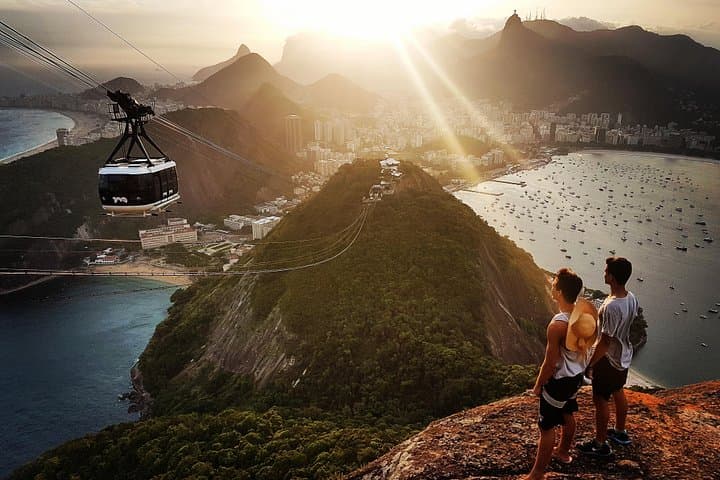
Morning light slices across Guanabara Bay and the granite flank of Sugarloaf Mountain, turning the ocean into a sheet of quicksilver. You meet your guide by the small soldier statue at the base of the cable car station and step toward a trail that trades the tourist rhythm for a climber’s cadence: exposed scrambles, a short roped pitch, and viewpoints that most visitors never see.
Morning light slices across Guanabara Bay and the granite flank of Sugarloaf Mountain, turning the ocean into a sheet of quicksilver. You meet your guide by the small soldier statue at the base of the cable car station and step toward a trail that trades the tourist rhythm for a climber’s cadence: exposed scrambles, a short roped pitch, and viewpoints that most visitors never see.
Sugarloaf (Pão de Açúcar) is a coastal granite dome that rises abruptly from the sea — its rounded form shaped by millions of years of erosion and tectonic uplift. The cable car, an early 20th-century engineering icon, ferries many to the summit, but climbing gives a different education: geology under your hands, the history of Rio’s harbor threaded with colonial tales, and local guides who often weave contemporary culture into conversation.
The route is steep but technically moderate: unroped scrambling, then a 15-meter guided pitch that uses rope and harness. Halfway, the Philosopher’s Stone offers a ledge view into the bay; at the top, Morro da Urca’s café feels earned. Descent is by cable car to Morro da Urca, then a short walk back to the start — the cable car descent is included for climbers.
Practical tips: start early for cooler temperatures and calmer winds, bring 1–2 liters of water, wear grippy approach shoes, and expect exposed sections that can unsettle those with a fear of heights. Weather cancels tours; guides prioritize safety and brief climbing instruction for newcomers. The climb is a compact, high-adrenaline way to know Rio beyond postcards.