THE ADVENTURE COLLECTIVE® · Independent discovery and booking for outdoor travel

Scale the limestone faces at Farol da Guia with local instructors guiding beginners and seasoned climbers alike. This two-hour group session pairs practical ropework training with ocean views and easy access from Cascais.
Scale the limestone faces at Farol da Guia with local instructors guiding beginners and seasoned climbers alike. This two-hour group session pairs practical ropework training with ocean views and easy access from Cascais.
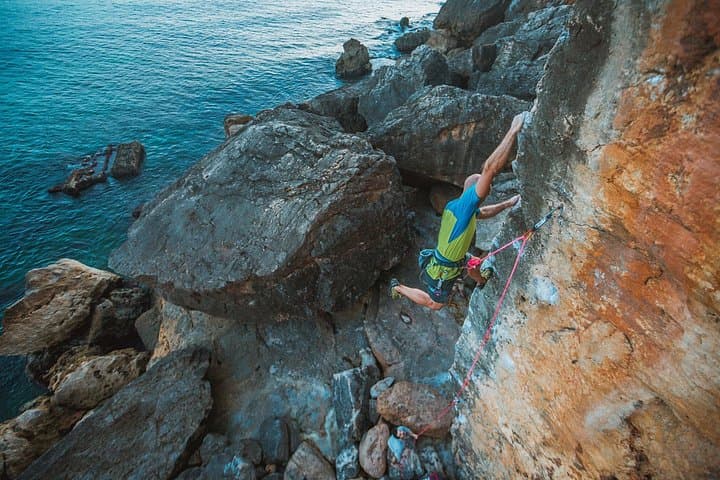
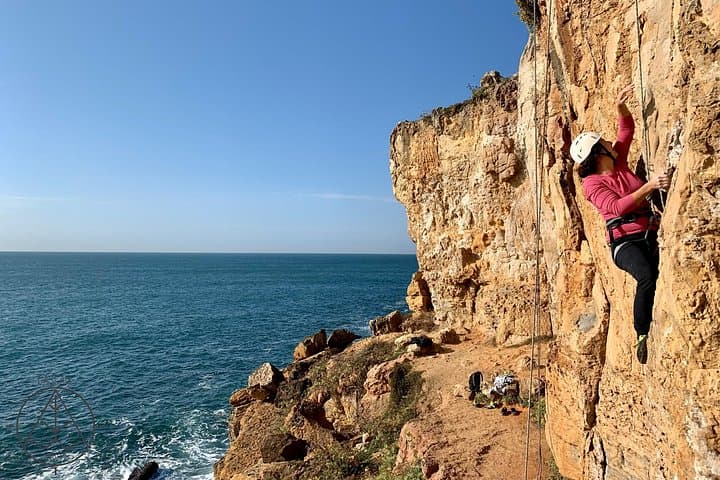
You meet at Farol da Guia with the Atlantic wind already testing your cap, the lighthouse watching like a quiet coach. A small team of climbers threads down the path together, shoes snapping on sun-warmed limestone, the ocean's voice pushing at the base of the crag.
Verified experiences and guided adventures in the surrounding area.
Operated by Cascais Routes · Cascais, Lisbon
You meet at Farol da Guia with the Atlantic wind already testing your cap, the lighthouse watching like a quiet coach. A small team of climbers threads down the path together, shoes snapping on sun-warmed limestone, the ocean's voice pushing at the base of the crag.
Guia is one of Cascais's most established climbing areas—routes cut into compact limestone that was once seabed. Tectonic lifts and coastal erosion have left ledges, pockets and vertical faces that challenge novices and more experienced climbers alike. Cascais itself grew from a fishing village into a seaside town with maritime and royal connections; the streets above the crag still hold tiled facades and cafés where locals dry their nets and trade stories of sea and storm.
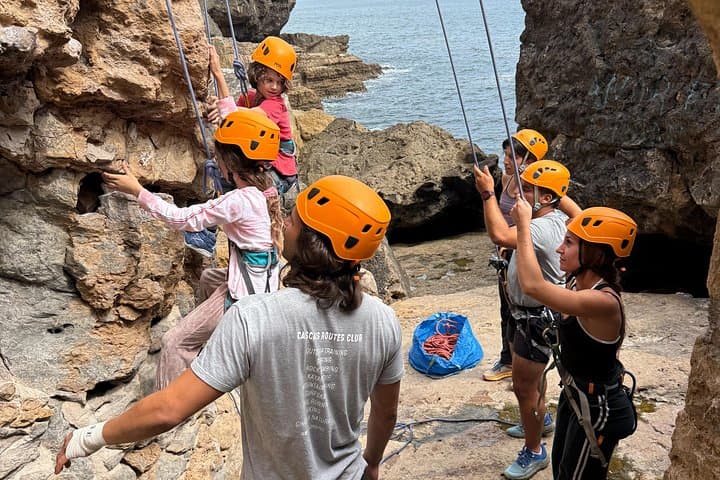
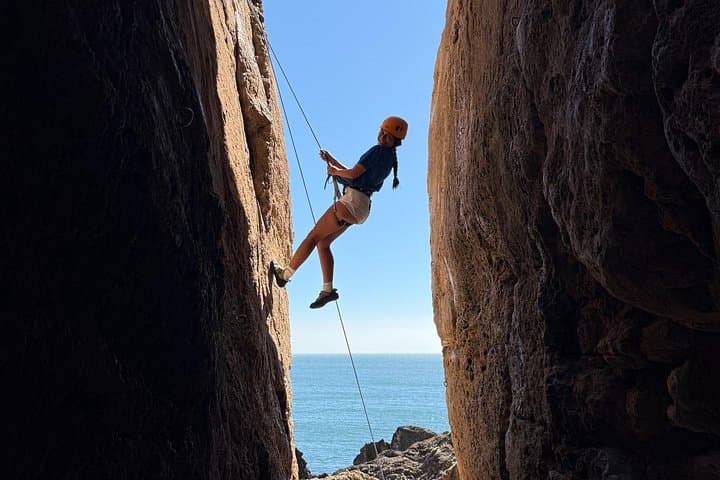
On the rock you'll find a practical learning rhythm: knots, harness checks, belay practice, then progressive routes chosen for the group's mix of abilities. Instructors supply helmet, shoes, harness, rope and quickdraws, so your pack stays light—bring water, sun protection and shoes that grip for the walk down.
Expect sessions of roughly two hours that emphasize safety and repetition more than conquest. The cliffs demand dry rock—rain cancels—and afternoon light can make pockets easier to read. After climbing, reward yourself with a stroll on Cascais's cobbled streets or a dip at a nearby beach.
Practical tip: aim for cooler morning or late-afternoon slots to avoid mid-day glare, stay hydrated, and follow instructor directions closely—those small practices keep the climb enjoyable and safe.
No—this group session teaches basic knots, harness use and belaying; routes are selected to match mixed skill levels.
Instructors supply helmet, climbing shoes, harness, rope, quickdraws and belay devices; bring only personal items like water and sun protection.
Meet at Farol da Guia in Cascais; the lighthouse is reachable on foot from central Cascais and by local buses or taxis.
Climbing is canceled if the rock is wet; operators will propose new dates or offer a full refund if rebooking isn’t possible.
Cascais Routes operates guided outdoor trips and adventures with an emphasis on safety, stewardship, and memorable experiences.
You meet at Farol da Guia with the Atlantic wind already testing your cap, the lighthouse watching like a quiet coach. A small team of climbers threads down the path together, shoes snapping on sun-warmed limestone, the ocean's voice pushing at the base of the crag.
You meet at Farol da Guia with the Atlantic wind already testing your cap, the lighthouse watching like a quiet coach. A small team of climbers threads down the path together, shoes snapping on sun-warmed limestone, the ocean's voice pushing at the base of the crag.
Guia is one of Cascais's most established climbing areas—routes cut into compact limestone that was once seabed. Tectonic lifts and coastal erosion have left ledges, pockets and vertical faces that challenge novices and more experienced climbers alike. Cascais itself grew from a fishing village into a seaside town with maritime and royal connections; the streets above the crag still hold tiled facades and cafés where locals dry their nets and trade stories of sea and storm.
On the rock you'll find a practical learning rhythm: knots, harness checks, belay practice, then progressive routes chosen for the group's mix of abilities. Instructors supply helmet, shoes, harness, rope and quickdraws, so your pack stays light—bring water, sun protection and shoes that grip for the walk down.
Expect sessions of roughly two hours that emphasize safety and repetition more than conquest. The cliffs demand dry rock—rain cancels—and afternoon light can make pockets easier to read. After climbing, reward yourself with a stroll on Cascais's cobbled streets or a dip at a nearby beach.
Practical tip: aim for cooler morning or late-afternoon slots to avoid mid-day glare, stay hydrated, and follow instructor directions closely—those small practices keep the climb enjoyable and safe.