THE ADVENTURE COLLECTIVE® · Independent discovery and booking for outdoor travel

Grip the iron rungs and cross exposed limestone ledges on a guided via ferrata just outside Sassari. This 2-hour route pairs accessible adrenaline with sweeping views of north‑west Sardinia’s karst landscape.
Grip the iron rungs and cross exposed limestone ledges on a guided via ferrata just outside Sassari. This 2-hour route pairs accessible adrenaline with sweeping views of north‑west Sardinia’s karst landscape.
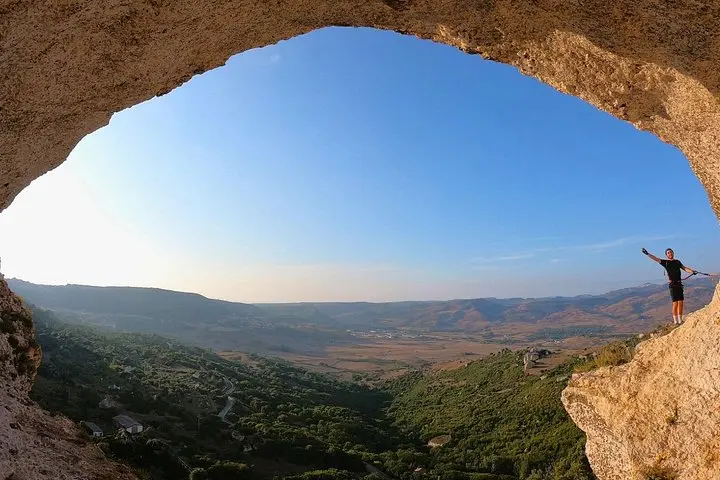
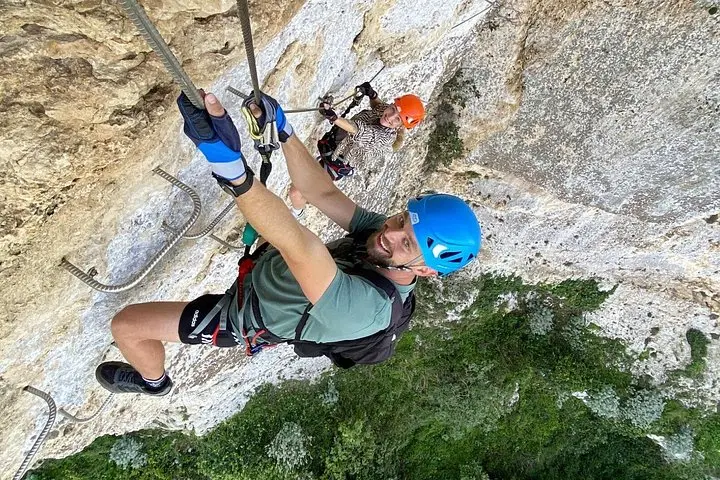
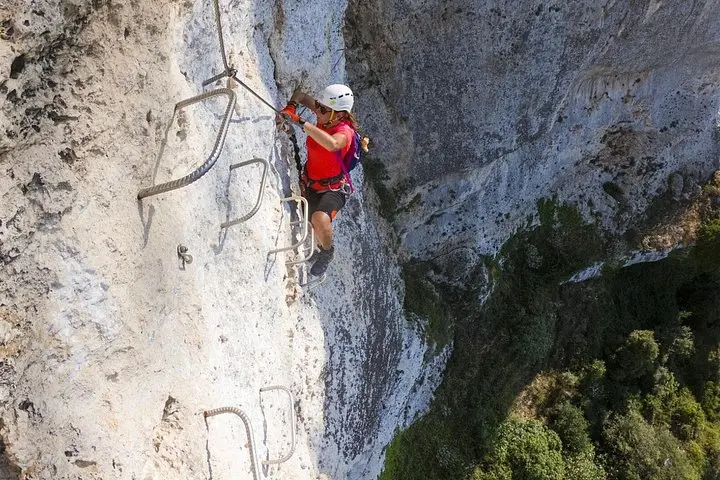
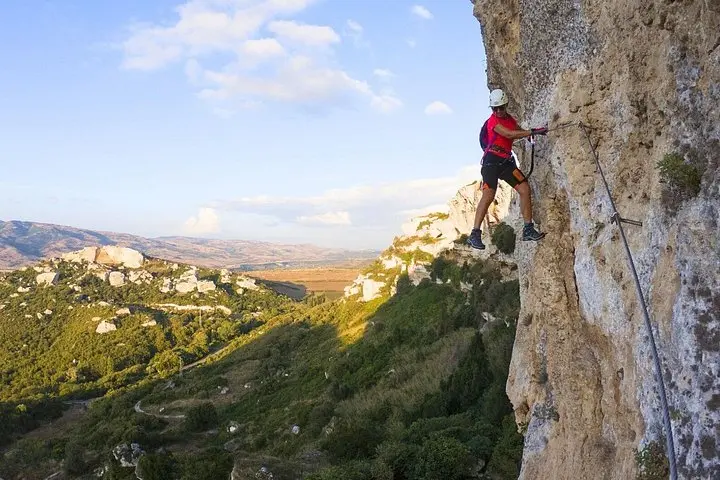
The rock face breathes as you step onto the first iron rung—salt-tinged wind from the nearby coast pushes against the cliff, while the guide clips your lanyard and speaks in calm, practiced phrases. You follow a band of steel and cable threaded across limestone ledges, the path alternately narrow and exposed, with sudden windows opening onto chalky ridges and scrubland below.
Verified experiences and guided adventures in the surrounding area.
Operated by Escursì - experience sardinia · Cargeghe, Sardinia
The rock face breathes as you step onto the first iron rung—salt-tinged wind from the nearby coast pushes against the cliff, while the guide clips your lanyard and speaks in calm, practiced phrases. You follow a band of steel and cable threaded across limestone ledges, the path alternately narrow and exposed, with sudden windows opening onto chalky ridges and scrubland below.
This stretch of north‑west Sardinia sits on folded carbonate rock shaped by millennia of sea and rain; shepherds and small agrarian communities have used the surrounding slopes for centuries and traces of pastoral terraces and scattered nuraghi dot the region. The Via Ferrata itself is a modern route bolted into classic karst cliffs—graded D/K3—built to give accessible adrenaline while keeping safety front and center under a professional guide.
Expect 20 minutes of approach, roughly 90 minutes on the ferrata, and a short return descent; exposure and short vertical pitches make the route feel bold even where technical rope work is minimal. You’ll pass limestone pockets, small caves, and likely spot kestrels or the occasional mouflon on ledges.
Practical advice: arrive early to avoid midday heat, wear sturdy approach shoes or light boots, and bring 1–2 liters of water. The operator supplies helmet, harness, via‑ferrata lanyard and gloves; listening to the guide’s instructions matters more than prior experience. Weather cancels the trip—wet limestone is slick—so check forecasts and plan a backup day in Sassari. With proper prep this guided via ferrata is an efficient, thrilling way to read Sardinia’s stone landscape up close.
No technical climbing experience is required; the route is guided and uses via‑ferrata lanyards, but participants should be comfortable with heights and physical exposure.
Standard inclusions are a professional guide, helmet, harness, via‑ferrata lanyard, gloves, and liability insurance as noted by the operator.
Suitability depends on age, confidence with exposure and size for the provided harness; check with the operator—some routes require a minimum age or adult supervision.
The operator cancels in wet or stormy conditions because wet limestone becomes dangerously slippery; full refunds are available if cancelled at least 24 hours prior or for weather-related cancellations.
Escursì - experience sardinia operates guided outdoor trips and adventures with an emphasis on safety, stewardship, and memorable experiences.
The rock face breathes as you step onto the first iron rung—salt-tinged wind from the nearby coast pushes against the cliff, while the guide clips your lanyard and speaks in calm, practiced phrases. You follow a band of steel and cable threaded across limestone ledges, the path alternately narrow and exposed, with sudden windows opening onto chalky ridges and scrubland below.
The rock face breathes as you step onto the first iron rung—salt-tinged wind from the nearby coast pushes against the cliff, while the guide clips your lanyard and speaks in calm, practiced phrases. You follow a band of steel and cable threaded across limestone ledges, the path alternately narrow and exposed, with sudden windows opening onto chalky ridges and scrubland below.
This stretch of north‑west Sardinia sits on folded carbonate rock shaped by millennia of sea and rain; shepherds and small agrarian communities have used the surrounding slopes for centuries and traces of pastoral terraces and scattered nuraghi dot the region. The Via Ferrata itself is a modern route bolted into classic karst cliffs—graded D/K3—built to give accessible adrenaline while keeping safety front and center under a professional guide.
Expect 20 minutes of approach, roughly 90 minutes on the ferrata, and a short return descent; exposure and short vertical pitches make the route feel bold even where technical rope work is minimal. You’ll pass limestone pockets, small caves, and likely spot kestrels or the occasional mouflon on ledges.
Practical advice: arrive early to avoid midday heat, wear sturdy approach shoes or light boots, and bring 1–2 liters of water. The operator supplies helmet, harness, via‑ferrata lanyard and gloves; listening to the guide’s instructions matters more than prior experience. Weather cancels the trip—wet limestone is slick—so check forecasts and plan a backup day in Sassari. With proper prep this guided via ferrata is an efficient, thrilling way to read Sardinia’s stone landscape up close.