THE ADVENTURE COLLECTIVE® · Independent discovery and booking for outdoor travel

A high-rock palace and cave temples with painted Buddhas—this excursion from Colombo links Sigiriya’s audacious fortress with Dambulla’s cool, painted caverns. Expect stair climbs, ancient frescoes, and easy logistics with a private driver.
A high-rock palace and cave temples with painted Buddhas—this excursion from Colombo links Sigiriya’s audacious fortress with Dambulla’s cool, painted caverns. Expect stair climbs, ancient frescoes, and easy logistics with a private driver.
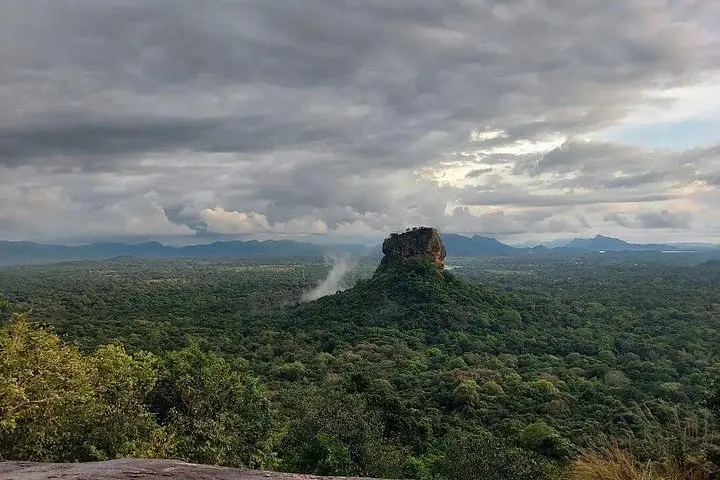
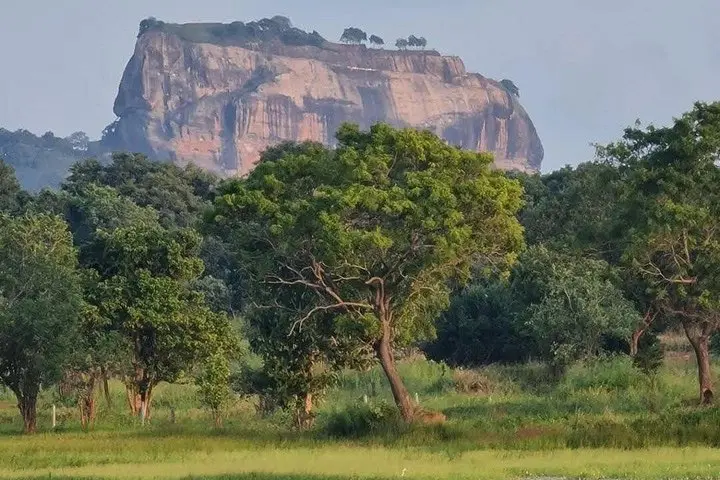
You arrive before the heat takes hold, the highway giving way to flat rice paddies and coconut palms that sway like slow metronomes. By midmorning the silhouette of Sigiriya—a sheer, red-brown monolith—appears on the horizon, an island of stone rising from scrub and paddy. The guide parks, points, and for a moment the climb ahead feels less like a tourist checklist and more like stepping into a living manuscript: fresco-lined galleries, mirrored ponds, and iron stairways that hug the rock’s face.
Verified experiences and guided adventures in the surrounding area.
Operated by Real Lanka Holidays · Sigiriya, Central Province
You arrive before the heat takes hold, the highway giving way to flat rice paddies and coconut palms that sway like slow metronomes. By midmorning the silhouette of Sigiriya—a sheer, red-brown monolith—appears on the horizon, an island of stone rising from scrub and paddy. The guide parks, points, and for a moment the climb ahead feels less like a tourist checklist and more like stepping into a living manuscript: fresco-lined galleries, mirrored ponds, and iron stairways that hug the rock’s face.
Sigiriya and the Dambulla Cave Temple are chapters in the same long story of Sri Lanka’s ancient kingdoms. Sigiriya was raised by King Kashyapa in the 5th century CE—an audacious palace and fortress atop a 200-meter rock—designed to impress and intimidate. Dambulla, a short drive away, is older in its sacred use: a complex of five caves whose painted Buddhas and carved ceilings record centuries of devotional layering, from early Buddhist monks to later royal patronage.
Geology gives Sigiriya its drama: a volcanic plug left standing while softer rock eroded away, exposing sheer escarpments. The ascent alternates wide terraces with narrow metal staircases; at points the rock seems to breathe, warm under your palm. Dambulla’s caves feel like a cool cathedral—stout pillars, low light, and murals that press history close to the visitor.
Culture here is tactile. Local vendors sell king coconut and simple lunches; caretakers tend incense and broom-swept pathways. Language and time feel generous: you can move at the pace of the place or rush through and miss the details—faded frescoes, the patina on a carved Buddha, the way monkeys habitually test pockets.
Practical guidance: climb Sigiriya early to avoid midday heat and the crowds. Expect roughly 1,000–1,200 steps in total; wear grippy shoes and carry at least 1–1.5 liters of water. The Dambulla caves require respectful clothing—shoulders and knees covered—and a steady, quiet pace to take in the murals. Entrance fees are charged at both sites; bring cash or a card depending on current rules. If you’re extending into Minneriya National Park on an optional safari, time your trip for late afternoon when elephants move toward water.
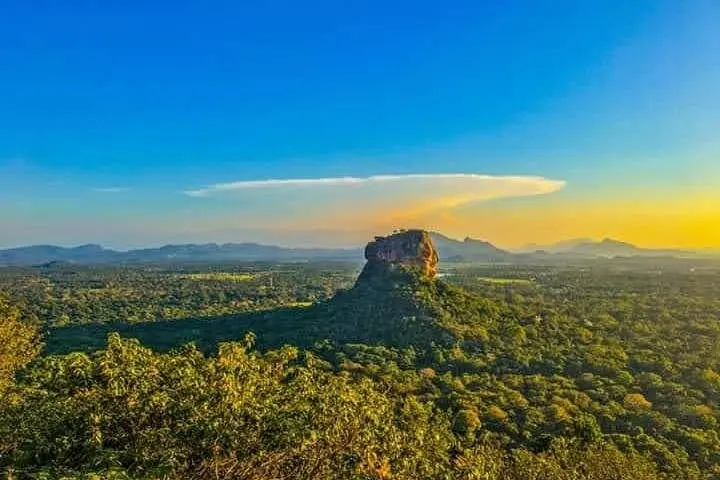
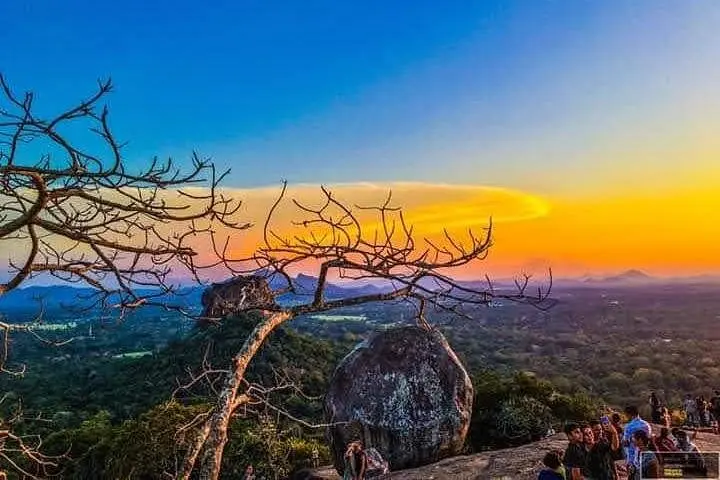
Weather can be sudden—sun sharp one hour, heavy tropical rain the next—so layer a light rain shell over breathable clothing. Photography rewards early morning and late afternoon light: the rock glows, mural colors pop, and the plains below soften into distance. Whether you contract a private car from Colombo or stay nearby in Dambulla/Habarana, this pairing of Sigiriya and Dambulla compresses Sri Lanka’s human ingenuity, geological drama, and living religious culture into one sharply memorable day—or an unhurried two-day loop if you choose to overnight and add a safari.
Allow 4–6 hours for Sigiriya and Dambulla together from Colombo as a day trip; an overnight option extends to 1–2 days if you add a safari.
The climb is steep and includes metal staircases; it’s generally safe for most visitors if you wear appropriate footwear and avoid the edges during wet conditions.
The tour includes an English-speaking, tourism-board-registered guide who can explain history and point out murals and inscriptions.
Older children who are comfortable with stairs can usually manage—consider pacing and frequent water breaks for younger kids.
Conservative clothing that covers shoulders and knees is required inside the caves; remove hats and shoes where indicated.
The main itinerary focuses on cultural sites; an optional Minneriya safari can be added to see elephants and other wildlife in late afternoon.
Real Lanka Holidays operates guided outdoor trips and adventures with an emphasis on safety, stewardship, and memorable experiences.
You arrive before the heat takes hold, the highway giving way to flat rice paddies and coconut palms that sway like slow metronomes. By midmorning the silhouette of Sigiriya—a sheer, red-brown monolith—appears on the horizon, an island of stone rising from scrub and paddy. The guide parks, points, and for a moment the climb ahead feels less like a tourist checklist and more like stepping into a living manuscript: fresco-lined galleries, mirrored ponds, and iron stairways that hug the rock’s face.
You arrive before the heat takes hold, the highway giving way to flat rice paddies and coconut palms that sway like slow metronomes. By midmorning the silhouette of Sigiriya—a sheer, red-brown monolith—appears on the horizon, an island of stone rising from scrub and paddy. The guide parks, points, and for a moment the climb ahead feels less like a tourist checklist and more like stepping into a living manuscript: fresco-lined galleries, mirrored ponds, and iron stairways that hug the rock’s face.
Sigiriya and the Dambulla Cave Temple are chapters in the same long story of Sri Lanka’s ancient kingdoms. Sigiriya was raised by King Kashyapa in the 5th century CE—an audacious palace and fortress atop a 200-meter rock—designed to impress and intimidate. Dambulla, a short drive away, is older in its sacred use: a complex of five caves whose painted Buddhas and carved ceilings record centuries of devotional layering, from early Buddhist monks to later royal patronage.
Geology gives Sigiriya its drama: a volcanic plug left standing while softer rock eroded away, exposing sheer escarpments. The ascent alternates wide terraces with narrow metal staircases; at points the rock seems to breathe, warm under your palm. Dambulla’s caves feel like a cool cathedral—stout pillars, low light, and murals that press history close to the visitor.
Culture here is tactile. Local vendors sell king coconut and simple lunches; caretakers tend incense and broom-swept pathways. Language and time feel generous: you can move at the pace of the place or rush through and miss the details—faded frescoes, the patina on a carved Buddha, the way monkeys habitually test pockets.
Practical guidance: climb Sigiriya early to avoid midday heat and the crowds. Expect roughly 1,000–1,200 steps in total; wear grippy shoes and carry at least 1–1.5 liters of water. The Dambulla caves require respectful clothing—shoulders and knees covered—and a steady, quiet pace to take in the murals. Entrance fees are charged at both sites; bring cash or a card depending on current rules. If you’re extending into Minneriya National Park on an optional safari, time your trip for late afternoon when elephants move toward water.
Weather can be sudden—sun sharp one hour, heavy tropical rain the next—so layer a light rain shell over breathable clothing. Photography rewards early morning and late afternoon light: the rock glows, mural colors pop, and the plains below soften into distance. Whether you contract a private car from Colombo or stay nearby in Dambulla/Habarana, this pairing of Sigiriya and Dambulla compresses Sri Lanka’s human ingenuity, geological drama, and living religious culture into one sharply memorable day—or an unhurried two-day loop if you choose to overnight and add a safari.