THE ADVENTURE COLLECTIVE® · Independent discovery and booking for outdoor travel

Two days of concentrated wildlife viewing and cultural visits at Mole National Park, including morning walking safaris, afternoon jeep drives, and a guided visit to Larabanga Mosque. Ideal for travelers who want a short safari with domestic flights included.
Two days of concentrated wildlife viewing and cultural visits at Mole National Park, including morning walking safaris, afternoon jeep drives, and a guided visit to Larabanga Mosque. Ideal for travelers who want a short safari with domestic flights included.
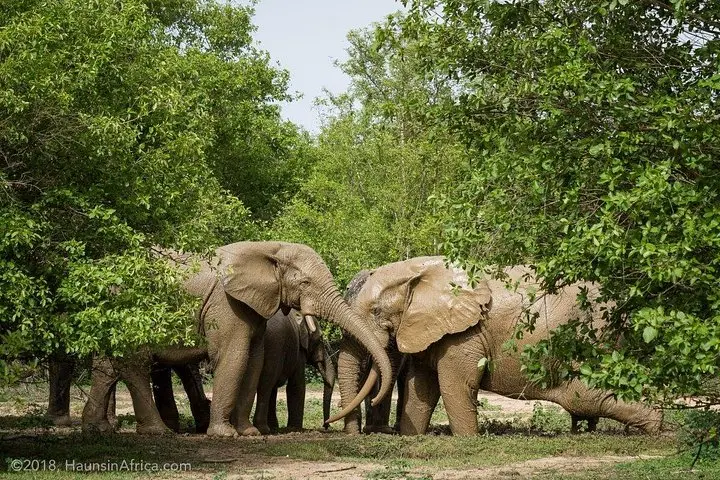
Sunrise finds the park slow and deliberate: tall grass breathes in the cool air while a distant elephant herd reshapes the horizon.
Verified experiences and guided adventures in the surrounding area.
Operated by Kwame Tours · Damongo, Savannah Region
Sunrise finds the park slow and deliberate: tall grass breathes in the cool air while a distant elephant herd reshapes the horizon.
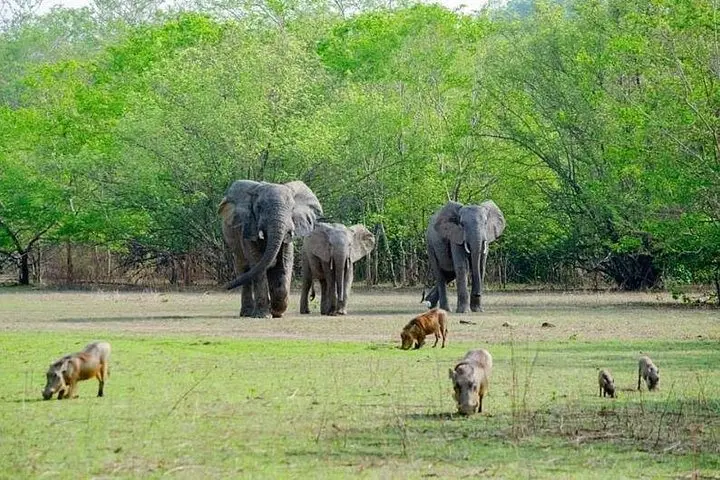
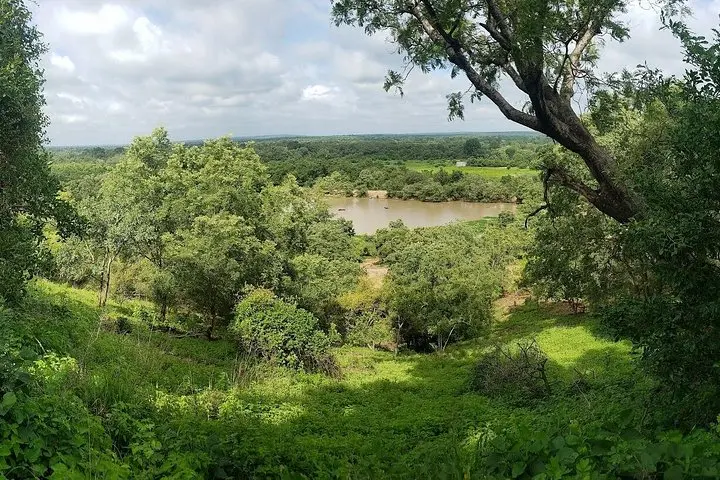
This two-day, one-night itinerary centers on Mole National Park, Ghana’s largest wildlife reserve, where early morning walking safaris and afternoon jeep drives put travelers within sight—and sometimes earshot—of African elephants, kob, warthogs, and a chorus of birds. The landscape here is broad savanna interrupted by gallery forest, termite mounds and seasonal pans that geometry the animal movements. Larabanga’s mud-and-stick mosque, visited on day two, anchors the trip in a deep human history: the mosque dates back centuries and speaks to long-standing trans-Saharan religious routes.
Culturally, the route moves through Tamale’s market rhythms and the Shea-processing workshops where women’s cooperatives translate an ancient commodity into modern livelihoods. Geologically the area is low-relief, sandy soils and iron-rich substrate that support the park’s open woodland—a living stage for predator-prey dynamics.
Practical guidance: flights between Accra and Tamale are commonly used to save time; expect a 2-hour road transfer from Tamale to Mole and plan buffer time for domestic connections. Mornings are best for walking safaris (cooler, more active wildlife); afternoons suit vehicle safaris. Bring layered, breathable clothing, insect protection and a small daypack for water and camera gear. Respect wildlife distances—trails and guides are designed to minimize disturbance—and budget for small community donations or local purchases at the Shea workshops. With basic fitness and a readiness for early starts, this short safari delivers concentrated wildlife viewing and cultural context in a single weekend.
Round-trip domestic flights (Accra–Tamale) are included but final confirmation depends on flight availability; the operator will confirm after booking.
Mole has a reliable elephant population and sightings are common on walks and drives, but wildlife cannot be guaranteed—visibility depends on season and animal movement.
The itinerary notes it is accessible for most fitness levels; infants can travel but check with the operator about seat and supervision arrangements for flights and walks.
Bring modest clothing for mosque visits, small cash for local markets or donations, and be prepared to remove shoes where required at Larabanga Mosque.
Kwame Tours operates guided outdoor trips and adventures with an emphasis on safety, stewardship, and memorable experiences.
Sunrise finds the park slow and deliberate: tall grass breathes in the cool air while a distant elephant herd reshapes the horizon.
Sunrise finds the park slow and deliberate: tall grass breathes in the cool air while a distant elephant herd reshapes the horizon.
This two-day, one-night itinerary centers on Mole National Park, Ghana’s largest wildlife reserve, where early morning walking safaris and afternoon jeep drives put travelers within sight—and sometimes earshot—of African elephants, kob, warthogs, and a chorus of birds. The landscape here is broad savanna interrupted by gallery forest, termite mounds and seasonal pans that geometry the animal movements. Larabanga’s mud-and-stick mosque, visited on day two, anchors the trip in a deep human history: the mosque dates back centuries and speaks to long-standing trans-Saharan religious routes.
Culturally, the route moves through Tamale’s market rhythms and the Shea-processing workshops where women’s cooperatives translate an ancient commodity into modern livelihoods. Geologically the area is low-relief, sandy soils and iron-rich substrate that support the park’s open woodland—a living stage for predator-prey dynamics.
Practical guidance: flights between Accra and Tamale are commonly used to save time; expect a 2-hour road transfer from Tamale to Mole and plan buffer time for domestic connections. Mornings are best for walking safaris (cooler, more active wildlife); afternoons suit vehicle safaris. Bring layered, breathable clothing, insect protection and a small daypack for water and camera gear. Respect wildlife distances—trails and guides are designed to minimize disturbance—and budget for small community donations or local purchases at the Shea workshops. With basic fitness and a readiness for early starts, this short safari delivers concentrated wildlife viewing and cultural context in a single weekend.