
Cloud-Forest Birding in San Gerardo de Dota: Quetzals & Hummingbirds Day Tour from San José
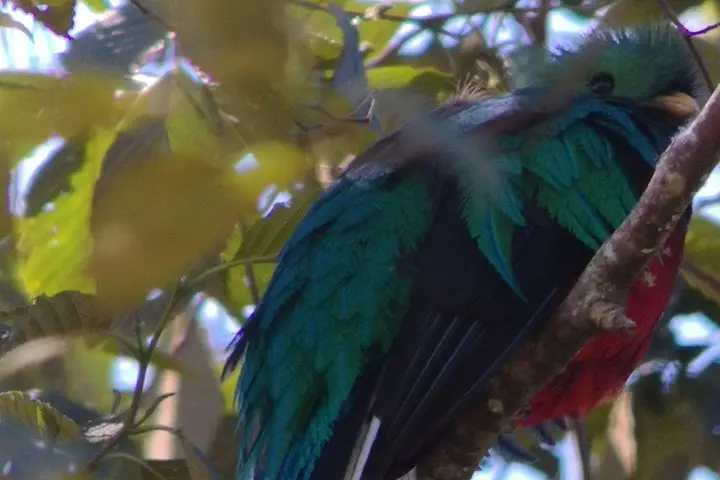
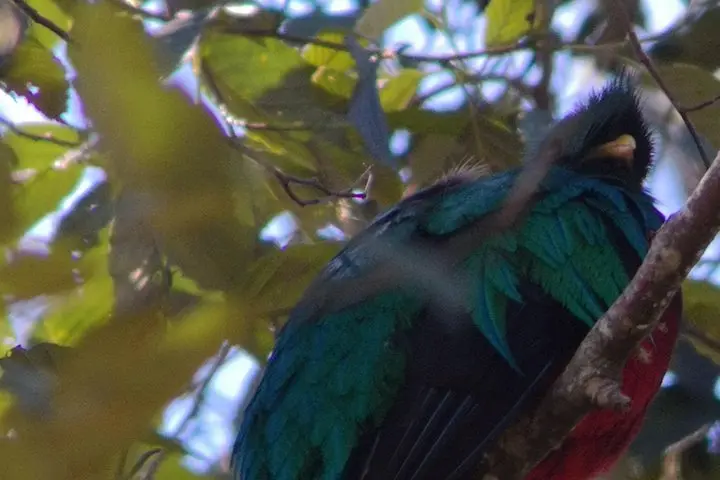
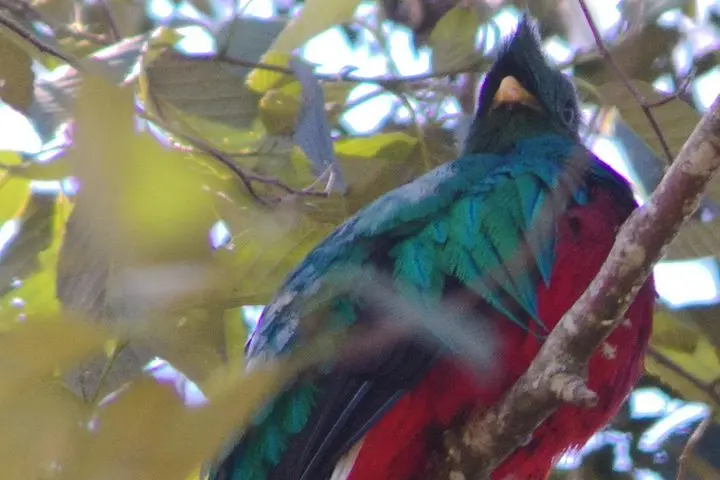
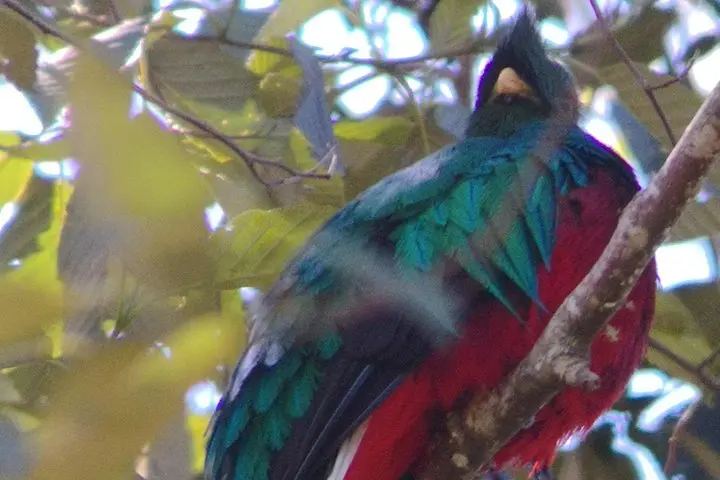
Early mornings in San Gerardo de Dota bring cloud, song, and the chance to see the resplendent quetzal. This half-day guided birding tour from San José takes you into prime cloud-forest habitat where hummingbirds, trogons, and tanagers await.
An Adventure In San José.
Early mornings in San Gerardo de Dota bring cloud, song, and the chance to see the resplendent quetzal. This half-day guided birding tour from San José takes you into prime cloud-forest habitat where hummingbirds, trogons, and tanagers await.
Read the full experience
You arrive before dawn and the cloud forest is already at work: mist threads down the valley, a trogon calls like a shutter closing, and hummingbirds attack the air with tiny, furious wings.
You arrive before dawn and the cloud forest is already at work: mist threads down the valley, a trogon calls like a shutter closing, and hummingbirds attack the air with tiny, furious wings.
San Gerardo de Dota sits high in the Savegre Valley of the Talamanca Mountains, a cool band of cloud forest formed where trade winds lift and condense over volcanic soils. The area has long been valued by local farmers and, more recently, by international birders—its elevations and intact forest corridors shelter species found few other places in Central America.
Geology here is green and vertical: ridgelines of basalt and older volcanic deposits feed steep streams that have carved waterfalls and narrow ravines. Cultural life centers on small mountain hamlets where coffee and trout farming meet a growing eco-tourism economy; guides often combine family knowledge with ornithological training.
Expect a morning walk of mixed dirt trails and boardwalks, variable footing, and dense understory where bellbirds and tanagers perch like punctuation. The resplendent quetzal is the headline species, but emerald toucanets, trogons, woodpeckers and a chorus of hummingbirds make every step rewarding.
Practical notes: tours typically last 4–5 hours with hotel pickup in San José or Alajuela; mornings are prime—arrive layered, bring binoculars and a camera with a zoom lens, and move quietly. Respect trail closures, follow your guide’s lead, and carry water; sudden cloudbursts are part of the mountain’s personality but don’t usually stop the birds.
Frequently asked questions
Quetzals are one of the highlights in this valley; sightings are possible but not guaranteed—early-morning guided walks in the breeding season increase your odds.
Pickup is typically offered from hotels in San José, Alajuela, or nearby towns; confirm your hotel’s eligibility when booking.
Yes—trails are generally easy, but participants should be comfortable walking uneven terrain for several hours and dress for cool, wet conditions.
A minimum of three people per booking is required; tours may be canceled or rescheduled if that threshold isn’t met.
About This Experience
Costa Rica Itinerary operates guided outdoor trips and adventures with an emphasis on safety, stewardship, and memorable experiences.
Adventure tips
Recommended gear
- Binoculars (8–10x): Essential for spotting and identifying birds in the canopy and understory.
- Light waterproof jacket: Protects against sudden cloud-forest showers and wind at higher elevations.
- Sturdy hiking shoes: Provide traction on muddy or uneven trails common in the Savegre Valley.
- Field guide or notebook: Useful for recording sightings and learning local species on the walk.
Photos of the experience
Related adventures & guides
Read the full experience
You arrive before dawn and the cloud forest is already at work: mist threads down the valley, a trogon calls like a shutter closing, and hummingbirds attack the air with tiny, furious wings.
You arrive before dawn and the cloud forest is already at work: mist threads down the valley, a trogon calls like a shutter closing, and hummingbirds attack the air with tiny, furious wings.
San Gerardo de Dota sits high in the Savegre Valley of the Talamanca Mountains, a cool band of cloud forest formed where trade winds lift and condense over volcanic soils. The area has long been valued by local farmers and, more recently, by international birders—its elevations and intact forest corridors shelter species found few other places in Central America.
Geology here is green and vertical: ridgelines of basalt and older volcanic deposits feed steep streams that have carved waterfalls and narrow ravines. Cultural life centers on small mountain hamlets where coffee and trout farming meet a growing eco-tourism economy; guides often combine family knowledge with ornithological training.
Expect a morning walk of mixed dirt trails and boardwalks, variable footing, and dense understory where bellbirds and tanagers perch like punctuation. The resplendent quetzal is the headline species, but emerald toucanets, trogons, woodpeckers and a chorus of hummingbirds make every step rewarding.
Practical notes: tours typically last 4–5 hours with hotel pickup in San José or Alajuela; mornings are prime—arrive layered, bring binoculars and a camera with a zoom lens, and move quietly. Respect trail closures, follow your guide’s lead, and carry water; sudden cloudbursts are part of the mountain’s personality but don’t usually stop the birds.
Make a day of it nearby.
Verified experiences and guided adventures in the surrounding area.