THE ADVENTURE COLLECTIVE® · Independent discovery and booking for outdoor travel

A short, guided hike into the Yungas near San Lorenzo offers a cool, sub-tropical contrast to Salta’s high desert—bromeliads, hummingbirds, and a salteño empanada at mid-hike. Small groups and bilingual guides make this an ideal introduction to Argentina’s cloud forests.
A short, guided hike into the Yungas near San Lorenzo offers a cool, sub-tropical contrast to Salta’s high desert—bromeliads, hummingbirds, and a salteño empanada at mid-hike. Small groups and bilingual guides make this an ideal introduction to Argentina’s cloud forests.
The morning opens cool and humid, the kind of cool that seeps into your sleeves and makes you breathe a little slower. A narrow dirt track winds between tree ferns and stands of Polylepis, leaves beaded with condensation. Birdsong threads through the fog—sharp, bright warbles—and the guide, bilingual and steady-footed, points out bromeliads clinging to trunks like green cups. In groups of no more than four, the hike moves at a deliberately human pace: conversation, observation, a pause to listen. After two hours of walking, empanadas appear on a blanket and the valley below unfurls, a patchwork of red-tile roofs and irrigated fields under the Andes’ foothills.
Verified experiences and guided adventures in the surrounding area.
Operated by Poncho Tours · Salta, Salta
The morning opens cool and humid, the kind of cool that seeps into your sleeves and makes you breathe a little slower. A narrow dirt track winds between tree ferns and stands of Polylepis, leaves beaded with condensation. Birdsong threads through the fog—sharp, bright warbles—and the guide, bilingual and steady-footed, points out bromeliads clinging to trunks like green cups. In groups of no more than four, the hike moves at a deliberately human pace: conversation, observation, a pause to listen. After two hours of walking, empanadas appear on a blanket and the valley below unfurls, a patchwork of red-tile roofs and irrigated fields under the Andes’ foothills.
Geologically, these cloud forests belong to the Yungas, the humid belt where the eastern flank of the Andes intercepts moist air from the Amazon. The result is steep, erosion-shaped slopes and rich soils that support high biodiversity—epiphytes, orchids, and a dense understory that feels almost primeval in its complexity. Culturally, San Lorenzo has been Salta’s summer retreat since the 19th century: families escaping the city heat, criollo estates, and now a scattering of conservation-minded trails that protect the slopes from agricultural conversion.
The hike is short—three to four hours—and designed as an accessible introduction to the Yungas. Terrain is mostly singletrack and dirt roads with periodic rock steps and root networks; expect light climbs and some slippery sections after rain. Elevation gain is modest, suitable for most travelers, and the group size allows the guide to tailor the route: slower for birdwatching, brisker for a summit spur. Practicalities matter: the operator provides bottled water, snacks, and a salteño lunch; pickup from Salta hotels is included, and a passport is required for day logistics.
Plan for changeable weather. Mornings are cooler than the city; afternoons can turn humid with brief showers. Good hiking shoes with grip, a lightweight rain shell, and insect repellent will make the difference between a pleasant morning and a soggy retreat. Hydrate before you head out—though bottled water is provided—and bring a small daypack for layers and camera gear. The trail is family-friendly (minimum age 12), but not recommended for people with serious heart conditions. Small-group guiding supports conservation: fewer tracks, less disturbance, and more education about local species and land-use pressures.
For travelers based in Salta, the walk is an immediate, atmospheric contrast to the high dry quebradas farther north. It’s a taste of the Yungas’ green intensity—humid, loud with life, and stubbornly beautiful—where each bend in the trail reveals another microhabitat and another reason to keep your camera steady and your boots muddy.
The trip lasts about 3–4 hours with modest elevation gain; it’s rated easy and suitable for most people with light to moderate fitness.
Yes—hotel pickup and drop-off in Salta are included; the operator can also meet guests in San Lorenzo if preferred.
Guides are bilingual in English and Spanish and can tailor the pace and content to your group.
A salteño lunch (empanadas), bottled water, and snacks are included in the price.
Yes—minimum age is 12 and children must be accompanied by an adult.
All sales are final; no refunds are available for cancellations and the operator may cancel if weather is unsafe.
Poncho Tours operates guided outdoor trips and adventures with an emphasis on safety, stewardship, and memorable experiences.
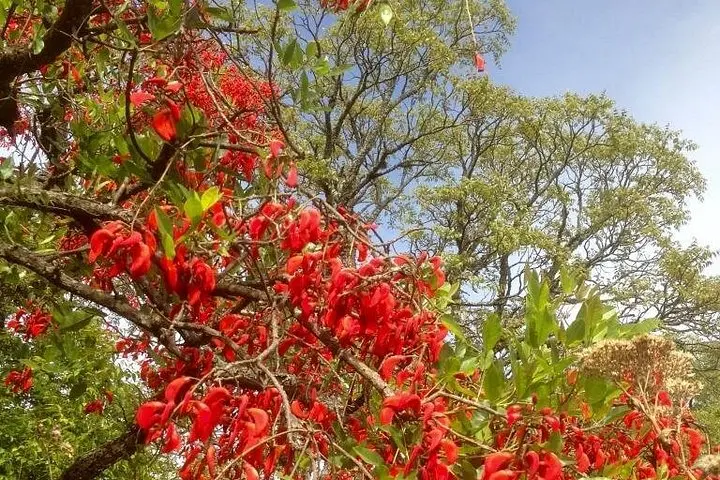
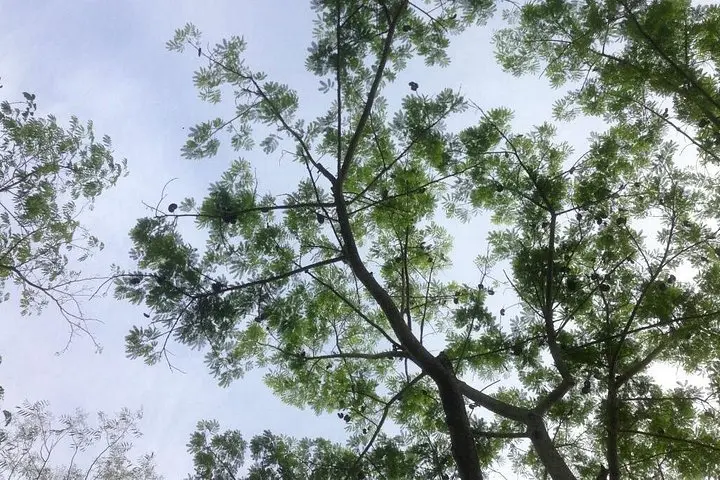
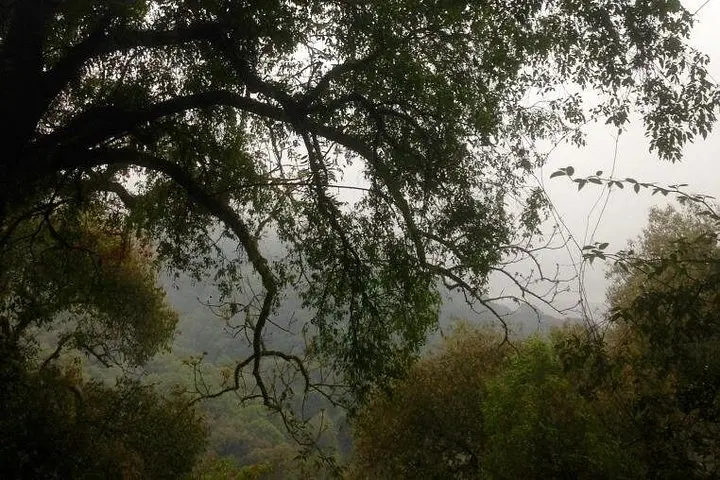
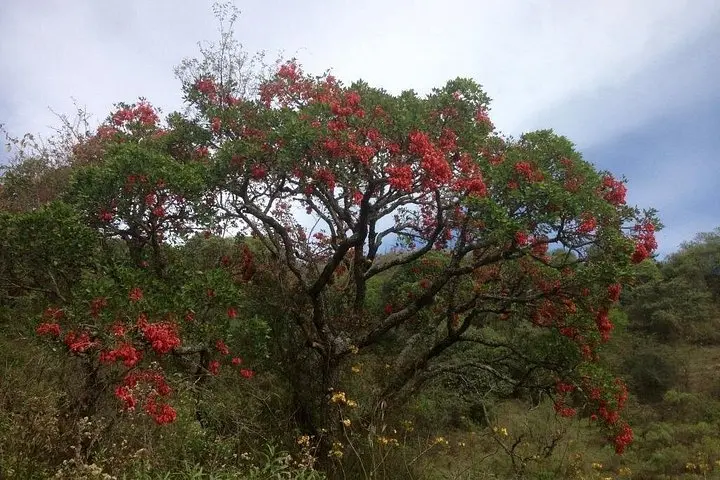
The morning opens cool and humid, the kind of cool that seeps into your sleeves and makes you breathe a little slower. A narrow dirt track winds between tree ferns and stands of Polylepis, leaves beaded with condensation. Birdsong threads through the fog—sharp, bright warbles—and the guide, bilingual and steady-footed, points out bromeliads clinging to trunks like green cups. In groups of no more than four, the hike moves at a deliberately human pace: conversation, observation, a pause to listen. After two hours of walking, empanadas appear on a blanket and the valley below unfurls, a patchwork of red-tile roofs and irrigated fields under the Andes’ foothills.
The morning opens cool and humid, the kind of cool that seeps into your sleeves and makes you breathe a little slower. A narrow dirt track winds between tree ferns and stands of Polylepis, leaves beaded with condensation. Birdsong threads through the fog—sharp, bright warbles—and the guide, bilingual and steady-footed, points out bromeliads clinging to trunks like green cups. In groups of no more than four, the hike moves at a deliberately human pace: conversation, observation, a pause to listen. After two hours of walking, empanadas appear on a blanket and the valley below unfurls, a patchwork of red-tile roofs and irrigated fields under the Andes’ foothills.
Geologically, these cloud forests belong to the Yungas, the humid belt where the eastern flank of the Andes intercepts moist air from the Amazon. The result is steep, erosion-shaped slopes and rich soils that support high biodiversity—epiphytes, orchids, and a dense understory that feels almost primeval in its complexity. Culturally, San Lorenzo has been Salta’s summer retreat since the 19th century: families escaping the city heat, criollo estates, and now a scattering of conservation-minded trails that protect the slopes from agricultural conversion.
The hike is short—three to four hours—and designed as an accessible introduction to the Yungas. Terrain is mostly singletrack and dirt roads with periodic rock steps and root networks; expect light climbs and some slippery sections after rain. Elevation gain is modest, suitable for most travelers, and the group size allows the guide to tailor the route: slower for birdwatching, brisker for a summit spur. Practicalities matter: the operator provides bottled water, snacks, and a salteño lunch; pickup from Salta hotels is included, and a passport is required for day logistics.
Plan for changeable weather. Mornings are cooler than the city; afternoons can turn humid with brief showers. Good hiking shoes with grip, a lightweight rain shell, and insect repellent will make the difference between a pleasant morning and a soggy retreat. Hydrate before you head out—though bottled water is provided—and bring a small daypack for layers and camera gear. The trail is family-friendly (minimum age 12), but not recommended for people with serious heart conditions. Small-group guiding supports conservation: fewer tracks, less disturbance, and more education about local species and land-use pressures.
For travelers based in Salta, the walk is an immediate, atmospheric contrast to the high dry quebradas farther north. It’s a taste of the Yungas’ green intensity—humid, loud with life, and stubbornly beautiful—where each bend in the trail reveals another microhabitat and another reason to keep your camera steady and your boots muddy.