THE ADVENTURE COLLECTIVE® · Independent discovery and booking for outdoor travel

Cycle out of Hanoi to Co Loa’s ancient ramparts, swap city noise for village lanes, and learn traditional rice-bait fishing from local fishers. This full‑day tour blends archaeology, hands‑on culture, and low‑effort outdoor activity.
Cycle out of Hanoi to Co Loa’s ancient ramparts, swap city noise for village lanes, and learn traditional rice-bait fishing from local fishers. This full‑day tour blends archaeology, hands‑on culture, and low‑effort outdoor activity.
Dust from village lanes lifts as the group pedals away from Hanoi, rice paddies flattening into a broad, low horizon and the citadel’s earthen ramparts appearing like a low, deliberate wall on the skyline.
Verified experiences and guided adventures in the surrounding area.
Operated by Vitawell Travel · Co Loa, Hanoi
Dust from village lanes lifts as the group pedals away from Hanoi, rice paddies flattening into a broad, low horizon and the citadel’s earthen ramparts appearing like a low, deliberate wall on the skyline.
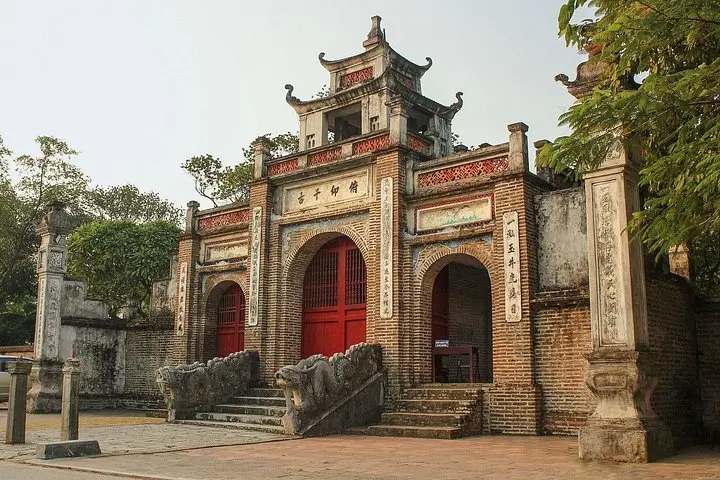
At Co Loa, riders dismount to walk the remaining concentric embankments of an ancient capital—reportedly the seat of An Dương Vương and the Âu Lạc kingdom—whose spiraled earthworks mark a strategic use of lowland hydraulics rather than mountain defense. Geologically the Red River Delta is sedimentary and flat; expect paved and packed-dirt lanes, occasional muddy stretches after rain, and the constant presence of irrigation channels that power local rice agriculture.
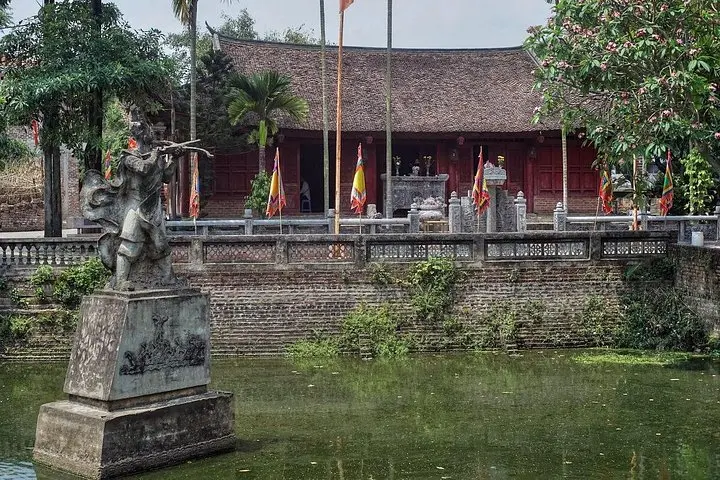
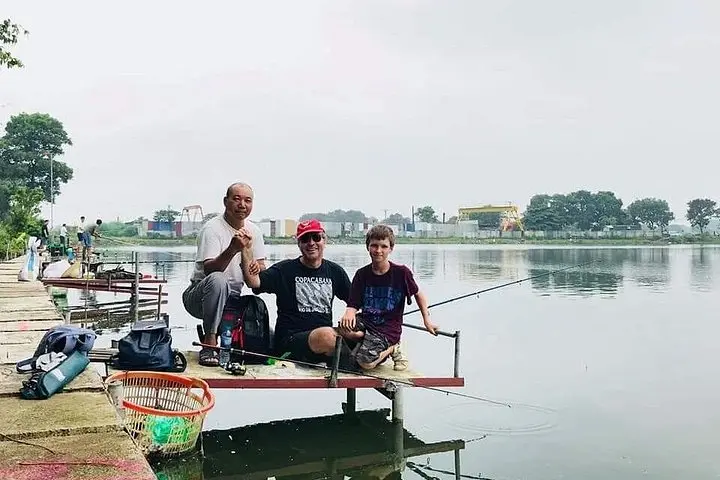
Culturally the day balances history and hands-on village life: a short temple visit, stories of the region’s famous legends, then a slow, practical lesson in traditional fishing—crafting rice-based bait and setting traps from bamboo—passed down through generations. The experience is as much anthropology as recreation.
Practical guidance: the full program runs about eight hours with roughly 15–25 km of easy cycling on flat terrain and negligible elevation gain. Bring sunscreen, a refillable water bottle, and insect repellent; a lightweight rain layer is wise in summer. The provider supplies bicycles, bottled water, lunch and a guide, but bring cash for extras and a spare phone battery for photos.
Timing matters—mornings are cooler for cycling and best for active fishing demonstrations—while afternoon light favors photos of the earthen ramparts and adjacent lotus ponds.
Cycling typically covers about 15–25 km on flat village lanes spread across the day, punctuated by stops at the citadel and fishing activities.
No advanced skills are needed; the route is easy and suitable for riders comfortable on basic bicycles.
Yes—participants learn traditional bait-making with rice and help set simple traps under local guidance; fishing success depends on conditions and timing.
Lunch is included; advise the operator in advance about dietary restrictions so they can adjust local dishes where possible.
Vitawell Travel operates guided outdoor trips and adventures with an emphasis on safety, stewardship, and memorable experiences.

Dust from village lanes lifts as the group pedals away from Hanoi, rice paddies flattening into a broad, low horizon and the citadel’s earthen ramparts appearing like a low, deliberate wall on the skyline.
Dust from village lanes lifts as the group pedals away from Hanoi, rice paddies flattening into a broad, low horizon and the citadel’s earthen ramparts appearing like a low, deliberate wall on the skyline.
At Co Loa, riders dismount to walk the remaining concentric embankments of an ancient capital—reportedly the seat of An Dương Vương and the Âu Lạc kingdom—whose spiraled earthworks mark a strategic use of lowland hydraulics rather than mountain defense. Geologically the Red River Delta is sedimentary and flat; expect paved and packed-dirt lanes, occasional muddy stretches after rain, and the constant presence of irrigation channels that power local rice agriculture.
Culturally the day balances history and hands-on village life: a short temple visit, stories of the region’s famous legends, then a slow, practical lesson in traditional fishing—crafting rice-based bait and setting traps from bamboo—passed down through generations. The experience is as much anthropology as recreation.
Practical guidance: the full program runs about eight hours with roughly 15–25 km of easy cycling on flat terrain and negligible elevation gain. Bring sunscreen, a refillable water bottle, and insect repellent; a lightweight rain layer is wise in summer. The provider supplies bicycles, bottled water, lunch and a guide, but bring cash for extras and a spare phone battery for photos.
Timing matters—mornings are cooler for cycling and best for active fishing demonstrations—while afternoon light favors photos of the earthen ramparts and adjacent lotus ponds.