THE ADVENTURE COLLECTIVE® · Independent discovery and booking for outdoor travel

A compact six-day coastal loop from Accra to Ada Foah, Cape Coast and Elmina that pairs UNESCO slave forts with mangrove waterways, beach riding and community visits. Expect beaches, boat trips, castle tours and chance wildlife sightings.
A compact six-day coastal loop from Accra to Ada Foah, Cape Coast and Elmina that pairs UNESCO slave forts with mangrove waterways, beach riding and community visits. Expect beaches, boat trips, castle tours and chance wildlife sightings.
You step out into Atlantic air that smells of salt and smoke — fishing boats bob like slow metronomes and a lighthouse blinks to keep ships honest. The road south from Accra slices through urban edges into green agricultural plains, then opens to wide beaches where the estuary at Ada Foah meets the ocean and mangroves reach their fingers toward low tide.
Verified experiences and guided adventures in the surrounding area.
Operated by Dream Destinations Ghana Tours · Accra, Greater Accra Region
You step out into Atlantic air that smells of salt and smoke — fishing boats bob like slow metronomes and a lighthouse blinks to keep ships honest. The road south from Accra slices through urban edges into green agricultural plains, then opens to wide beaches where the estuary at Ada Foah meets the ocean and mangroves reach their fingers toward low tide.
This itinerary threads three themes: coastal ecology, colonial history and living Ghanaian culture. Elmina and Cape Coast host UNESCO-listed forts where the “Door of No Return” frames a painful chapter of the Atlantic slave trade; the thick laterite cliffs and the cool stone dungeons make the past palpably present. Geologically, the coast sits on weathered sedimentary rock and sand plains shaped by longshore currents; mangroves at estuaries trap sediment and shelter turtles.
Between sites you'll meet fishing communities, sample local gin production on island sandbars, and walk Jamestown’s crowded alleys to the 1921 lighthouse. Birdlife punctuates the quieter moments — flamingos, pelicans and kingfishers are common in estuaries.
Practical edge: plan sturdy shoes and sun protection for mixed terrain — castle stairs, muddy mangrove boardwalks and beach sand. Bring insect repellent for dusk boat trips and a light rain jacket during the rainy season. Expect moderate walking with uneven surfaces; accessible transport and short drives are typically provided between major stops. Travel mornings for cooler light and wildlife activity; afternoons suit village visits and beach time. Respect local sites, follow guide instructions in heritage locations, and carry bottled water — the Atlantic will call you to linger, but preparation keeps the day moving.
Expect moderate walking: guided walks through forts, market streets and short nature trails; most transfers are by vehicle and longer legs are driven.
Yes, but the subject matter at the castles is heavy; parents should prepare children for historical context and supervise near cliffs and stairways.
Yes, mangrove estuaries and Ada Foah can host flamingos, pelicans and nesting marine turtles seasonally, though sightings are not guaranteed.
Bottled water is typically included; meals are sometimes included depending on the package—carry snacks and check the itinerary for meal details.
Dream Destinations Ghana Tours operates guided outdoor trips and adventures with an emphasis on safety, stewardship, and memorable experiences.
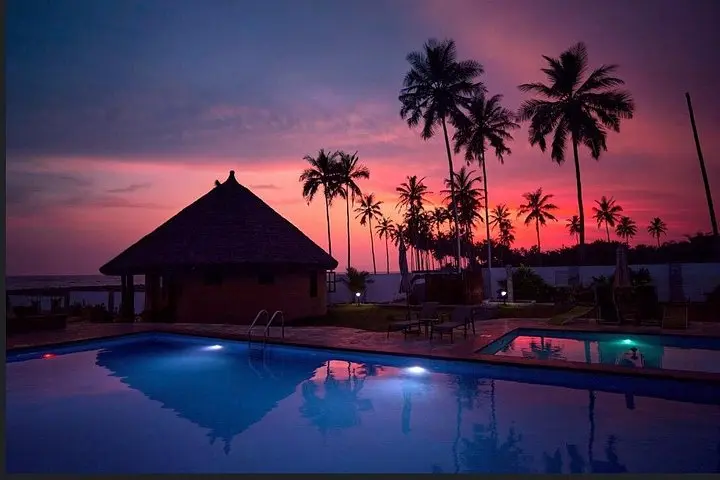


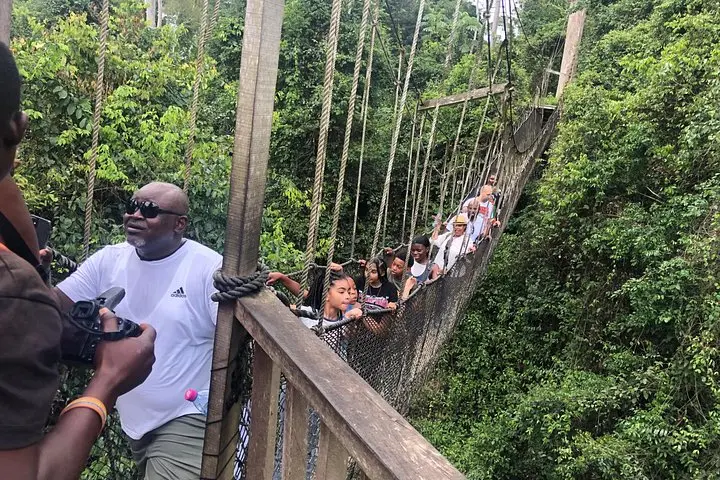
You step out into Atlantic air that smells of salt and smoke — fishing boats bob like slow metronomes and a lighthouse blinks to keep ships honest. The road south from Accra slices through urban edges into green agricultural plains, then opens to wide beaches where the estuary at Ada Foah meets the ocean and mangroves reach their fingers toward low tide.
You step out into Atlantic air that smells of salt and smoke — fishing boats bob like slow metronomes and a lighthouse blinks to keep ships honest. The road south from Accra slices through urban edges into green agricultural plains, then opens to wide beaches where the estuary at Ada Foah meets the ocean and mangroves reach their fingers toward low tide.
This itinerary threads three themes: coastal ecology, colonial history and living Ghanaian culture. Elmina and Cape Coast host UNESCO-listed forts where the “Door of No Return” frames a painful chapter of the Atlantic slave trade; the thick laterite cliffs and the cool stone dungeons make the past palpably present. Geologically, the coast sits on weathered sedimentary rock and sand plains shaped by longshore currents; mangroves at estuaries trap sediment and shelter turtles.
Between sites you'll meet fishing communities, sample local gin production on island sandbars, and walk Jamestown’s crowded alleys to the 1921 lighthouse. Birdlife punctuates the quieter moments — flamingos, pelicans and kingfishers are common in estuaries.
Practical edge: plan sturdy shoes and sun protection for mixed terrain — castle stairs, muddy mangrove boardwalks and beach sand. Bring insect repellent for dusk boat trips and a light rain jacket during the rainy season. Expect moderate walking with uneven surfaces; accessible transport and short drives are typically provided between major stops. Travel mornings for cooler light and wildlife activity; afternoons suit village visits and beach time. Respect local sites, follow guide instructions in heritage locations, and carry bottled water — the Atlantic will call you to linger, but preparation keeps the day moving.