THE ADVENTURE COLLECTIVE® · Independent discovery and booking for outdoor travel

Drive coast to coast on a 10-day self-drive through Costa Rica’s rainforests, cloud forests and beaches. This trip pairs wildlife-rich hikes and coral reef snorkeling with flexible, independent travel between San José and Manuel Antonio.
Drive coast to coast on a 10-day self-drive through Costa Rica’s rainforests, cloud forests and beaches. This trip pairs wildlife-rich hikes and coral reef snorkeling with flexible, independent travel between San José and Manuel Antonio.
The road starts in San José, where humid city air gives way to a ribbon of highway that ascends into rain-slicked rainforest and then drops toward turquoise Caribbean surf. On day two you’ll steer through Braulio Carrillo’s cloud-tipped ridges before the Atlantic coast and later trade palms for the high, misty quetzal haunts of San Gerardo de Dota.
Verified experiences and guided adventures in the surrounding area.
Operated by Destination Services Costa Rica · San José, San José
The road starts in San José, where humid city air gives way to a ribbon of highway that ascends into rain-slicked rainforest and then drops toward turquoise Caribbean surf. On day two you’ll steer through Braulio Carrillo’s cloud-tipped ridges before the Atlantic coast and later trade palms for the high, misty quetzal haunts of San Gerardo de Dota.
This itinerary threads together Costa Rica’s geological story: volcanic highlands carved by tectonic uplift and rivers, lowland coral reefs off Cahuita, and steep canyons like the Pacuare cut into volcanic rock. Culturally the route moves from the capital’s urban bustle to Afro-Caribbean villages on the south Caribbean, and then into central valley farms where coffee and cacao shape local life. Guayabo National Monument, encountered en route, is one of the country’s principal pre-Columbian archeological sites and hints at long-standing human ties to these landscapes.
Expect roughly 800–900 km of driving over ten days with daily legs often 3–5 hours; roads range from smooth Pan-American stretches to narrow rural surfaces where rain can slow progress. Plan mornings for wildlife viewing in cloud forest reserves, afternoons for beaches or snorkeling at Cahuita, and leave large activities (rafting, canyoning) to operators with local expertise.
Practical essentials: bring cash for park entrances, carry insect repellent and reef-safe sunscreen, confirm pick-up and drop-off times for the rental, and budget for variable road conditions — a confident driver and readiness for rain will make the trip smoother.
A higher-clearance vehicle is recommended for rural and unpaved stretches, especially in the rainy season; main highways are accessible in a standard car.
No — park and attraction entrance fees are paid on site; bring local currency or check card acceptance in advance.
Drivers must be at least 21, carry a valid driver’s license, and the contracting party must have an international credit card for deposit.
No — white-water rafting on the Pacuare and canyoning options are offered as paid, optional activities through local operators.
Destination Services Costa Rica operates guided outdoor trips and adventures with an emphasis on safety, stewardship, and memorable experiences.
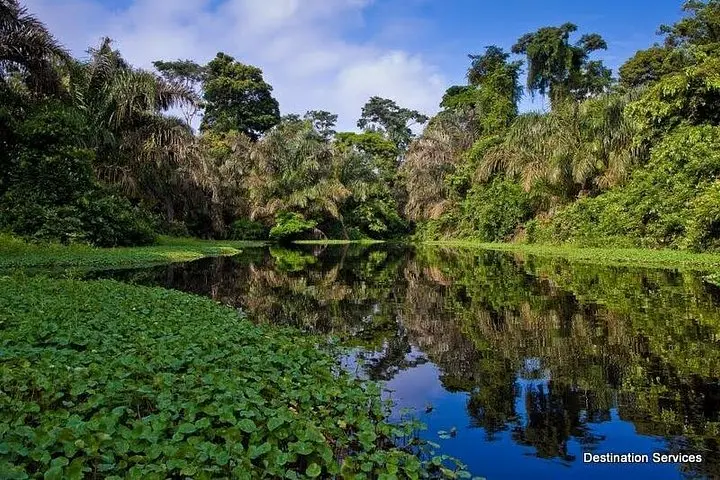
The road starts in San José, where humid city air gives way to a ribbon of highway that ascends into rain-slicked rainforest and then drops toward turquoise Caribbean surf. On day two you’ll steer through Braulio Carrillo’s cloud-tipped ridges before the Atlantic coast and later trade palms for the high, misty quetzal haunts of San Gerardo de Dota.
The road starts in San José, where humid city air gives way to a ribbon of highway that ascends into rain-slicked rainforest and then drops toward turquoise Caribbean surf. On day two you’ll steer through Braulio Carrillo’s cloud-tipped ridges before the Atlantic coast and later trade palms for the high, misty quetzal haunts of San Gerardo de Dota.
This itinerary threads together Costa Rica’s geological story: volcanic highlands carved by tectonic uplift and rivers, lowland coral reefs off Cahuita, and steep canyons like the Pacuare cut into volcanic rock. Culturally the route moves from the capital’s urban bustle to Afro-Caribbean villages on the south Caribbean, and then into central valley farms where coffee and cacao shape local life. Guayabo National Monument, encountered en route, is one of the country’s principal pre-Columbian archeological sites and hints at long-standing human ties to these landscapes.
Expect roughly 800–900 km of driving over ten days with daily legs often 3–5 hours; roads range from smooth Pan-American stretches to narrow rural surfaces where rain can slow progress. Plan mornings for wildlife viewing in cloud forest reserves, afternoons for beaches or snorkeling at Cahuita, and leave large activities (rafting, canyoning) to operators with local expertise.
Practical essentials: bring cash for park entrances, carry insect repellent and reef-safe sunscreen, confirm pick-up and drop-off times for the rental, and budget for variable road conditions — a confident driver and readiness for rain will make the trip smoother.