THE ADVENTURE COLLECTIVE® · Independent discovery and booking for outdoor travel

Two days of California contrast—coastal highway curves, Pebble Beach views and Monterey’s marine life, followed by the towering sequoias and granite cathedrals of Yosemite. This private tour compresses the region’s essentials into an accessible, well‑guided escape from San Francisco.
Two days of California contrast—coastal highway curves, Pebble Beach views and Monterey’s marine life, followed by the towering sequoias and granite cathedrals of Yosemite. This private tour compresses the region’s essentials into an accessible, well‑guided escape from San Francisco.
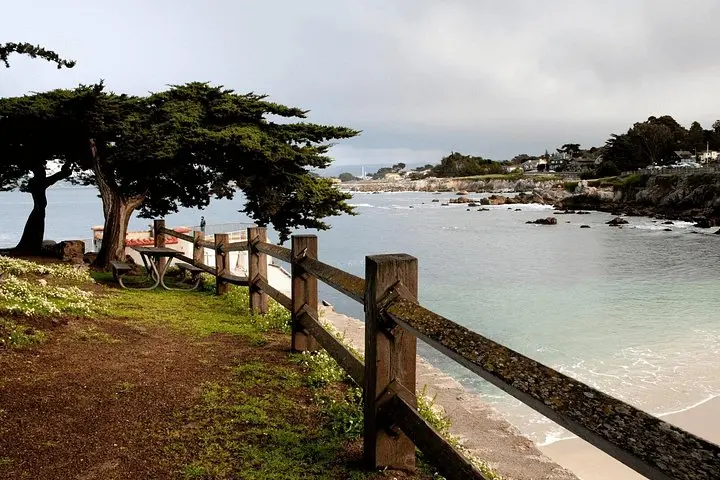
The bus eases out of San Francisco before dawn, the city shrinking into a lattice of bridges and freeway lights as Highway 1 unfurls toward the Pacific. Salt wind slices the windows; the ocean seems to dare the road to stay its course. By midmorning the 17‑Mile Drive opens like a private gallery—granite promontories, manicured fairways, and that famously gnarled Monterey cypress holding court on its rocky ledge. Travelers step down to inhale the cold surf, then press on, drawn inland by a different kind of giant.
Verified experiences and guided adventures in the surrounding area.
Operated by Gray Line San Francisco · San Francisco, California
The bus eases out of San Francisco before dawn, the city shrinking into a lattice of bridges and freeway lights as Highway 1 unfurls toward the Pacific. Salt wind slices the windows; the ocean seems to dare the road to stay its course. By midmorning the 17‑Mile Drive opens like a private gallery—granite promontories, manicured fairways, and that famously gnarled Monterey cypress holding court on its rocky ledge. Travelers step down to inhale the cold surf, then press on, drawn inland by a different kind of giant.
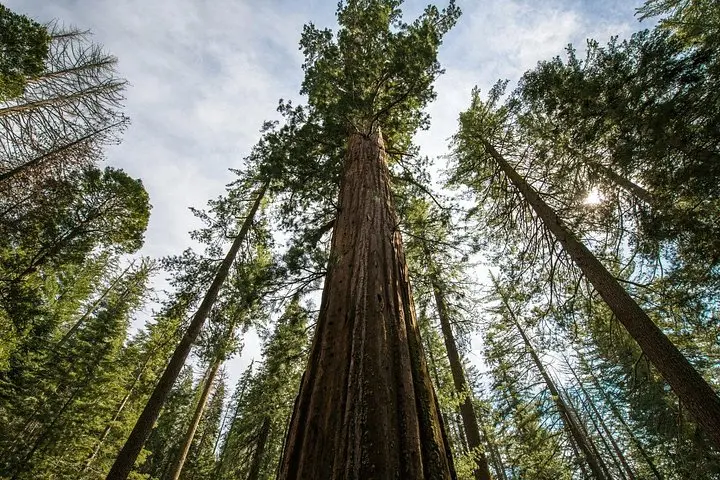
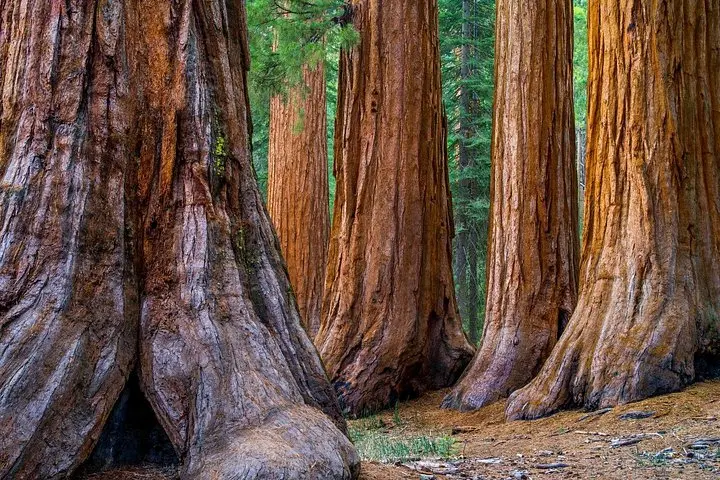
This two‑day private loop stitches together Northern California’s coastal and high‑country signatures: Carmel’s storybook streets and the battered cannery history of Monterey, then, after an overnight in Oakhurst, the geological theater of Yosemite—Mariposa Grove’s living columns of sequoia and Glacier Point’s panoramic view over Half Dome and El Capitan.
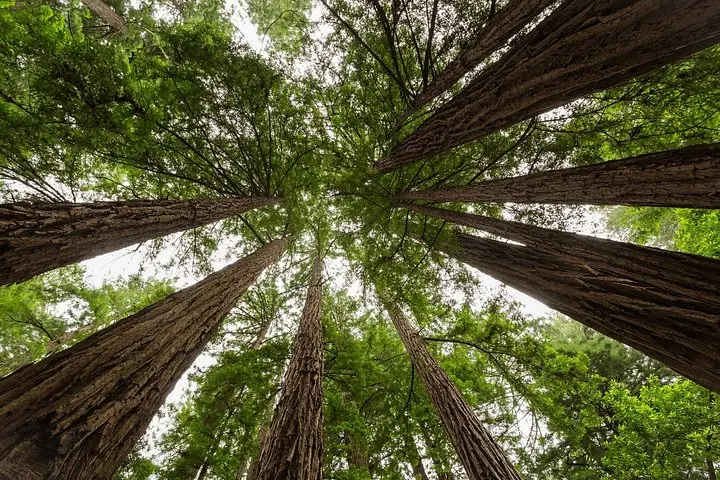
Geologically the trip reads like a compact textbook. The coastline is new in Earth‑time—uplifted slab and wave-sculpted headland—while Yosemite is the carved product of uplift and glacial ice. The valley reveals smooth, vertical faces where glaciers gouged and abandoned their work; the sequoias are older than many nations, their trunks holding centuries of fire and weather. Culturally, this route follows Ohlone and Rumsien pathways along the coast and the Ahwahnechee ancestral lands in the Sierra, places later recorded in John Muir’s conservation writings that helped propel the national park movement.
On the practical side, this is a full‑throttle but accessible itinerary. Expect two long travel days with several short walks: a guided hour at the Monterey Aquarium or Pebble Beach lookout, a 90‑minute stroll through Mariposa Grove, and stops at Tunnel View and Glacier Point. Elevations shift rapidly—sea level to Yosemite Valley at roughly 4,000 feet, and Glacier Point near 7,200 feet—so bring layers and be ready for cooler air in the high country.
Timing matters. Start early to take advantage of softer coastal light and to reach Yosemite while afternoon storms are less likely in summer. The operator includes park entrance and one night of lodging near Yosemite Valley; luggage is limited to one checked piece plus a small carry‑on. Guides handle logistics and history, but you should bring comfortable walking shoes, a refillable water bottle, and a camera with extra batteries.
This tour suits travelers who want maximum variety in a compressed schedule: ocean spray and golf course panoramas one day, cathedral granite and towering sequoias the next. It’s less about deep alpine backpacking and more about efficient, narrated access to Northern California’s two most iconic landscapes.
Yosemite National Park entrance and one night’s accommodation near Yosemite Valley are included in the tour price.
Pickup and drop‑off are arranged from San Francisco hotels; confirm your pickup point at least 24–48 hours in advance.
Yes—infants can travel in strollers and infant seats are available; note the operator’s luggage and seating policies.
Expect short guided walks: roughly 60–90 minutes at Mariposa Grove and brief walks at Tunnel View and Glacier Point, mostly on paved or well‑maintained paths.
Each passenger is limited to one checked piece and one small carry‑on; oversized baggage may result in cancellation per supplier rules.
Late spring through early fall offers the most predictable road conditions on Highway 1 and open Glacier Point access, though the trip runs year‑round depending on weather and road closures.
Gray Line San Francisco operates guided outdoor trips and adventures with an emphasis on safety, stewardship, and memorable experiences.
The bus eases out of San Francisco before dawn, the city shrinking into a lattice of bridges and freeway lights as Highway 1 unfurls toward the Pacific. Salt wind slices the windows; the ocean seems to dare the road to stay its course. By midmorning the 17‑Mile Drive opens like a private gallery—granite promontories, manicured fairways, and that famously gnarled Monterey cypress holding court on its rocky ledge. Travelers step down to inhale the cold surf, then press on, drawn inland by a different kind of giant.
The bus eases out of San Francisco before dawn, the city shrinking into a lattice of bridges and freeway lights as Highway 1 unfurls toward the Pacific. Salt wind slices the windows; the ocean seems to dare the road to stay its course. By midmorning the 17‑Mile Drive opens like a private gallery—granite promontories, manicured fairways, and that famously gnarled Monterey cypress holding court on its rocky ledge. Travelers step down to inhale the cold surf, then press on, drawn inland by a different kind of giant.
This two‑day private loop stitches together Northern California’s coastal and high‑country signatures: Carmel’s storybook streets and the battered cannery history of Monterey, then, after an overnight in Oakhurst, the geological theater of Yosemite—Mariposa Grove’s living columns of sequoia and Glacier Point’s panoramic view over Half Dome and El Capitan.
Geologically the trip reads like a compact textbook. The coastline is new in Earth‑time—uplifted slab and wave-sculpted headland—while Yosemite is the carved product of uplift and glacial ice. The valley reveals smooth, vertical faces where glaciers gouged and abandoned their work; the sequoias are older than many nations, their trunks holding centuries of fire and weather. Culturally, this route follows Ohlone and Rumsien pathways along the coast and the Ahwahnechee ancestral lands in the Sierra, places later recorded in John Muir’s conservation writings that helped propel the national park movement.
On the practical side, this is a full‑throttle but accessible itinerary. Expect two long travel days with several short walks: a guided hour at the Monterey Aquarium or Pebble Beach lookout, a 90‑minute stroll through Mariposa Grove, and stops at Tunnel View and Glacier Point. Elevations shift rapidly—sea level to Yosemite Valley at roughly 4,000 feet, and Glacier Point near 7,200 feet—so bring layers and be ready for cooler air in the high country.
Timing matters. Start early to take advantage of softer coastal light and to reach Yosemite while afternoon storms are less likely in summer. The operator includes park entrance and one night of lodging near Yosemite Valley; luggage is limited to one checked piece plus a small carry‑on. Guides handle logistics and history, but you should bring comfortable walking shoes, a refillable water bottle, and a camera with extra batteries.
This tour suits travelers who want maximum variety in a compressed schedule: ocean spray and golf course panoramas one day, cathedral granite and towering sequoias the next. It’s less about deep alpine backpacking and more about efficient, narrated access to Northern California’s two most iconic landscapes.