THE ADVENTURE COLLECTIVE® · Independent discovery and booking for outdoor travel

Walk the Whale’s Tail at low tide, scan mangrove edges for colorful passerines, and watch pelicans and frigatebirds quarter the surf. This practical guide explains what to expect, when to go, and how to pack for a productive birding outing at Marino Ballena National Park.
Walk the Whale’s Tail at low tide, scan mangrove edges for colorful passerines, and watch pelicans and frigatebirds quarter the surf. This practical guide explains what to expect, when to go, and how to pack for a productive birding outing at Marino Ballena National Park.
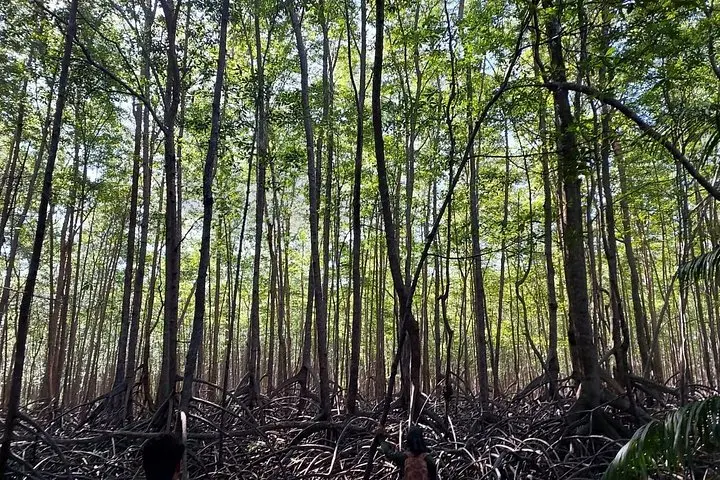
Morning light spreads across Uvita’s sandbar and the ocean exhales: a rhythm of waves and wings. On a guided birdwatching walk at Marino Ballena National Park, binoculars quickly become a second set of eyes as shorebirds probe the wet sand and raptors quarter the sky. Mangroves line the estuaries, calling out with insect-rich foliage that attracts tanagers, woodpeckers, and the occasional brightly colored trogon.
Verified experiences and guided adventures in the surrounding area.
Operated by Centro de Información Uvita · Uvita, Puntarenas
Morning light spreads across Uvita’s sandbar and the ocean exhales: a rhythm of waves and wings. On a guided birdwatching walk at Marino Ballena National Park, binoculars quickly become a second set of eyes as shorebirds probe the wet sand and raptors quarter the sky. Mangroves line the estuaries, calling out with insect-rich foliage that attracts tanagers, woodpeckers, and the occasional brightly colored trogon.
The park began as a marine protection effort to safeguard humpback whale breeding grounds and coastal ecosystems; that protection extends to the patchwork of beaches, estuaries, and low coastal forest that make the area a haven for 261 recorded bird species. Geologically, the coastline is young and dynamic—sandbars, rocky points and the famous Whale’s Tail formation shift with tides and longshore currents, shaping feeding grounds and roost sites.
Local communities around Uvita draw on fishing and eco-tourism, and small-scale guides offer intimate knowledge of where birds concentrate at different tides and times of year. Expect salt spray on your face, the quick staccato calls of shorebirds, and the patient hush that accompanies a good sighting.
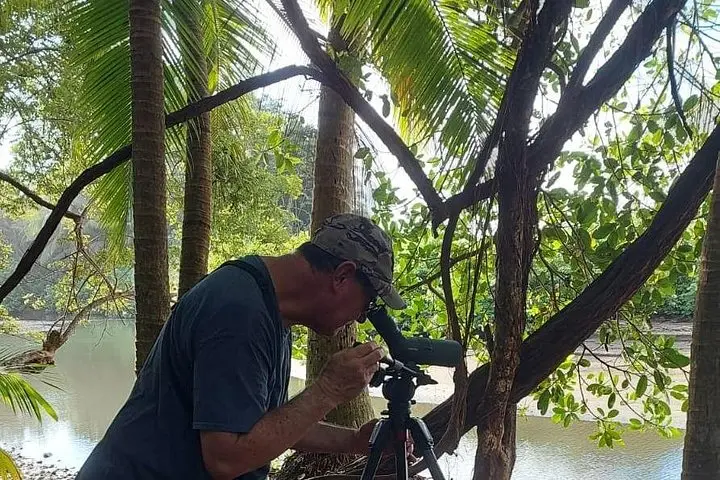
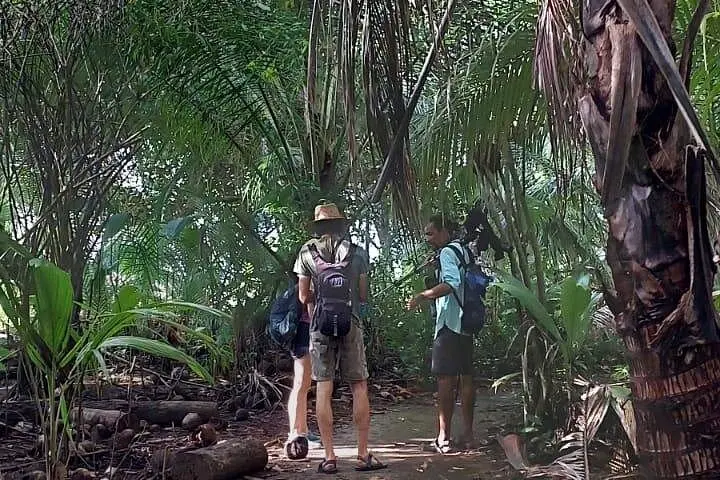
Practical guidance: arrive at low tide for exposed sandbars and shorebird foraging; bring lightweight rain protection year-round; keep voices low and stay on established paths to avoid disturbing nesting sites. Tours typically last about 2–3 hours, use small-group guides and include basic optics like telescopes. Hydrate, wear sun protection, and have binoculars ready—the estuary and shoreline won’t wait long for your attention.
Most tours provide a spotting scope for group viewing, but bringing your own binoculars ensures you don’t miss fleeting displays and allows personal scanning.
This activity focuses on birds and coastal habitat—whales are seasonal (best mid-year and late winter) and not guaranteed during every birding outing.
Yes; terrain is generally flat and low-impact, but notify the operator about mobility needs so guides can adjust pace and route.
Early morning is optimal for passerines and shorebirds; late afternoon can be productive for seabirds and raptors when winds pick up.
Centro de Información Uvita operates guided outdoor trips and adventures with an emphasis on safety, stewardship, and memorable experiences.

Morning light spreads across Uvita’s sandbar and the ocean exhales: a rhythm of waves and wings. On a guided birdwatching walk at Marino Ballena National Park, binoculars quickly become a second set of eyes as shorebirds probe the wet sand and raptors quarter the sky. Mangroves line the estuaries, calling out with insect-rich foliage that attracts tanagers, woodpeckers, and the occasional brightly colored trogon.
Morning light spreads across Uvita’s sandbar and the ocean exhales: a rhythm of waves and wings. On a guided birdwatching walk at Marino Ballena National Park, binoculars quickly become a second set of eyes as shorebirds probe the wet sand and raptors quarter the sky. Mangroves line the estuaries, calling out with insect-rich foliage that attracts tanagers, woodpeckers, and the occasional brightly colored trogon.
The park began as a marine protection effort to safeguard humpback whale breeding grounds and coastal ecosystems; that protection extends to the patchwork of beaches, estuaries, and low coastal forest that make the area a haven for 261 recorded bird species. Geologically, the coastline is young and dynamic—sandbars, rocky points and the famous Whale’s Tail formation shift with tides and longshore currents, shaping feeding grounds and roost sites.
Local communities around Uvita draw on fishing and eco-tourism, and small-scale guides offer intimate knowledge of where birds concentrate at different tides and times of year. Expect salt spray on your face, the quick staccato calls of shorebirds, and the patient hush that accompanies a good sighting.
Practical guidance: arrive at low tide for exposed sandbars and shorebird foraging; bring lightweight rain protection year-round; keep voices low and stay on established paths to avoid disturbing nesting sites. Tours typically last about 2–3 hours, use small-group guides and include basic optics like telescopes. Hydrate, wear sun protection, and have binoculars ready—the estuary and shoreline won’t wait long for your attention.