THE ADVENTURE COLLECTIVE® · Independent discovery and booking for outdoor travel

Mount a camel and follow the gentle pull of the Atlantic along Awrir or Tamraght beaches. This one‑hour guided ride blends accessible coastal scenery, local stories, and family‑friendly interaction with the animals.
Mount a camel and follow the gentle pull of the Atlantic along Awrir or Tamraght beaches. This one‑hour guided ride blends accessible coastal scenery, local stories, and family‑friendly interaction with the animals.
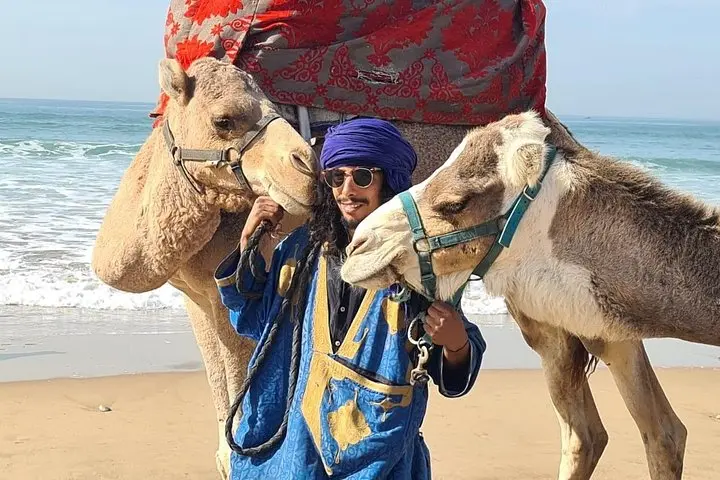
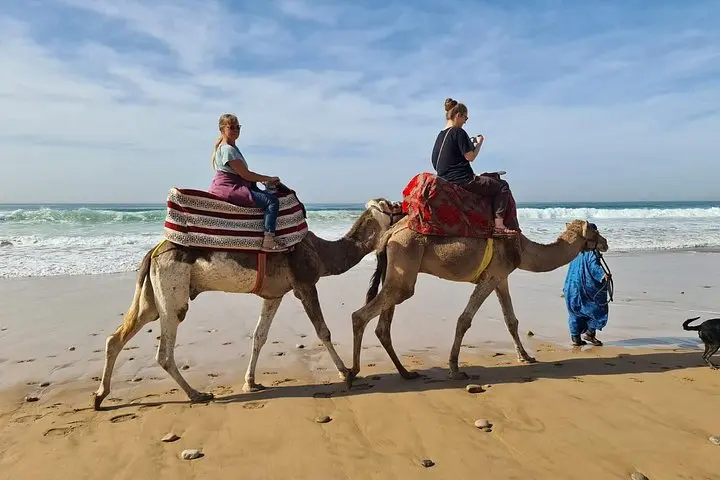
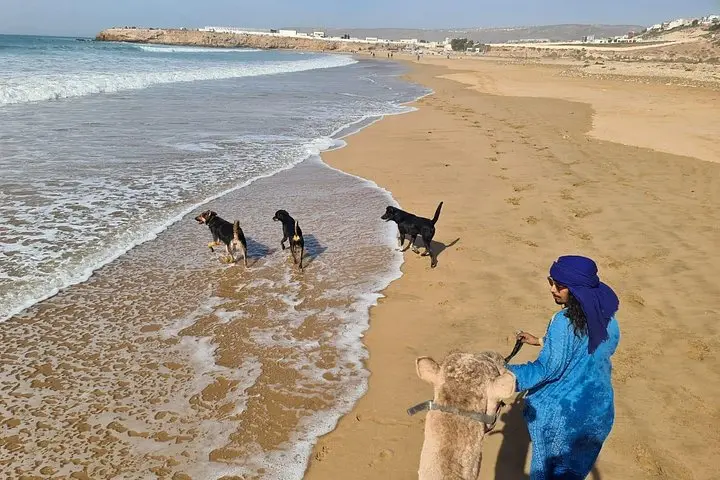
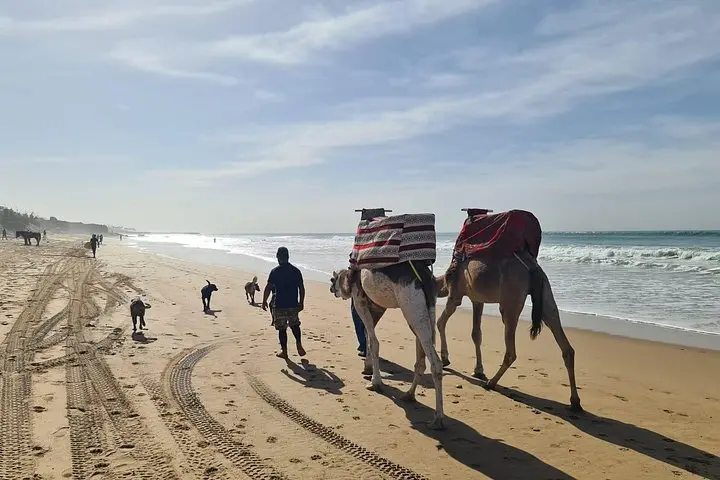
The saddle rocks as the camel shifts to its feet, and the Atlantic breathes salt across your face — a slow, steady rhythm that measures the coastline. On this one-hour beach ride from either Awrir (shorter 1.5 km option) or Tamraght–Taghazout (up to 4.5 km), the animal’s gait becomes the pace of the day: unhurried, tactile, and oddly calming.
Verified experiences and guided adventures in the surrounding area.
Operated by Laura A. · Tamraght, Souss-Massa
The saddle rocks as the camel shifts to its feet, and the Atlantic breathes salt across your face — a slow, steady rhythm that measures the coastline. On this one-hour beach ride from either Awrir (shorter 1.5 km option) or Tamraght–Taghazout (up to 4.5 km), the animal’s gait becomes the pace of the day: unhurried, tactile, and oddly calming.
This stretch of Morocco’s Souss‑Massa coastline is shaped by Atlantic swells and ancient sedimentary rock, where fishermen’s villages like Tamraght grew around surf and small‑scale agriculture. Camels here are working animals long integrated into Saharan and coastal life; the ride is more cultural encounter than wilderness expedition, and guides often share local stories about surf, fishing boats, and seasonal migrations along the shore.
Expect flat, sandy terrain with occasional rocky outcrops near the waterline; tides matter, so morning and sunset slots offer different light and firm sand. The experience suits families and photographers: handlers will brief you on mounting, and children 5–12 share a camel with an adult for safety. Protective behaviors (the camel stands by lifting its hind legs first) are explained before you go.
Practical guidance: wear closed-toe shoes and sun protection, keep a firm grip when the camel rises, and bring a small bottle of water. Book morning for cooler temperatures and firmer sand, sunset for long shadows and fewer people. The ride returns to the meeting point; customization—private tours or photoshoots—can be arranged. If you have back issues or are pregnant, this activity is not recommended. With basic precautions, the coastal camel stroll is an accessible, tactile way to experience Morocco’s shoreline culture and surf‑shaped landscape.
The guided experience lasts about one hour; actual distance depends on the meeting point — Awrir covers about 1.5 km, Tamraght–Taghazout up to 4.5 km along the beach.
Yes; children aged 5–12 can ride when sharing a camel with a supervising adult seated behind them. Young teens may ride independently per operator policy.
No; the operator does not recommend this ride for travelers with spinal injuries or who are pregnant due to the camel’s motion when standing up and sitting down.
Yes; handheld cameras and phones are fine. Private and customizable rides for photoshoots or events can usually be arranged in advance.
Laura A. operates guided outdoor trips and adventures with an emphasis on safety, stewardship, and memorable experiences.
The saddle rocks as the camel shifts to its feet, and the Atlantic breathes salt across your face — a slow, steady rhythm that measures the coastline. On this one-hour beach ride from either Awrir (shorter 1.5 km option) or Tamraght–Taghazout (up to 4.5 km), the animal’s gait becomes the pace of the day: unhurried, tactile, and oddly calming.
The saddle rocks as the camel shifts to its feet, and the Atlantic breathes salt across your face — a slow, steady rhythm that measures the coastline. On this one-hour beach ride from either Awrir (shorter 1.5 km option) or Tamraght–Taghazout (up to 4.5 km), the animal’s gait becomes the pace of the day: unhurried, tactile, and oddly calming.
This stretch of Morocco’s Souss‑Massa coastline is shaped by Atlantic swells and ancient sedimentary rock, where fishermen’s villages like Tamraght grew around surf and small‑scale agriculture. Camels here are working animals long integrated into Saharan and coastal life; the ride is more cultural encounter than wilderness expedition, and guides often share local stories about surf, fishing boats, and seasonal migrations along the shore.
Expect flat, sandy terrain with occasional rocky outcrops near the waterline; tides matter, so morning and sunset slots offer different light and firm sand. The experience suits families and photographers: handlers will brief you on mounting, and children 5–12 share a camel with an adult for safety. Protective behaviors (the camel stands by lifting its hind legs first) are explained before you go.
Practical guidance: wear closed-toe shoes and sun protection, keep a firm grip when the camel rises, and bring a small bottle of water. Book morning for cooler temperatures and firmer sand, sunset for long shadows and fewer people. The ride returns to the meeting point; customization—private tours or photoshoots—can be arranged. If you have back issues or are pregnant, this activity is not recommended. With basic precautions, the coastal camel stroll is an accessible, tactile way to experience Morocco’s shoreline culture and surf‑shaped landscape.