THE ADVENTURE COLLECTIVE® · Independent discovery and booking for outdoor travel

Step from Aberdeen’s streets onto a windswept promontory and explore Dunnottar Castle’s cliffside ruins before tasting grain‑to‑glass spirits at Arbikie Distillery. This private full‑day tour pairs coastal history with contemporary Highland craft.
Step from Aberdeen’s streets onto a windswept promontory and explore Dunnottar Castle’s cliffside ruins before tasting grain‑to‑glass spirits at Arbikie Distillery. This private full‑day tour pairs coastal history with contemporary Highland craft.
The road from Aberdeen narrows and the North Sea moves closer until the land drops away into a jagged headland. At Dunnottar Castle the wind grades the grass flat and the ruins squat, their broken towers daring you to step the clifftop path and look down where grey water lashes the rocks. Later, beyond a small churchyard and rolling arable fields, Arbikie’s copper stills and barley fields feel less like industry and more like a working landscape shaped by centuries of coastal weather.
Verified experiences and guided adventures in the surrounding area.
Operated by Time Exposure Travel · Stonehaven, Aberdeenshire
The road from Aberdeen narrows and the North Sea moves closer until the land drops away into a jagged headland. At Dunnottar Castle the wind grades the grass flat and the ruins squat, their broken towers daring you to step the clifftop path and look down where grey water lashes the rocks. Later, beyond a small churchyard and rolling arable fields, Arbikie’s copper stills and barley fields feel less like industry and more like a working landscape shaped by centuries of coastal weather.
Dunnottar’s surviving stonework dates from the 13th–16th centuries; its cliffs made it a natural stronghold during sieges, including the dramatic 1651 concealment of Scotland’s Honours. Geologically the headland is Old Red Sandstone overlaid by harder beds, which created the steep promontory. Kinneff Old Church nearby offers a quieter glimpse of 17th‑century parish life tied to the crown‑jewel story, while Arbikie represents modern Highland distilling—field‑to‑bottle production that ties crop, climate and craft together.
Practical guidance: this private day tour runs about 8–9 hours with door‑to‑door pickup from Aberdeen and includes lunch and a tasting at Arbikie (seasonal openings apply). Expect uneven stone paths at Dunnottar, exposed coastal wind, and paid access for interiors. Wear sturdy footwear and layered waterproofs, bring ID for tastings, and allow time for photography and short walks along the shoreline. The route is flexible by season and hotel location—plan for tide‑laced light and changeable weather rather than long, sustained sunshine.
Grounds are typically free to visit, but internal access to some rooms can be chargeable and varies by season—check current onsite fees.
The tour includes a scheduled tasting and lunch at Arbikie; full behind‑the‑scenes access depends on the distillery’s seasonal program and group size.
The tour offers door‑to‑door pickup from Aberdeen hotels or central locations; specify your pickup point when booking to confirm timing.
The tour is family‑friendly, but Dunnottar involves uneven paths and cliff edges; not recommended for those with significant mobility or spinal issues.
Time Exposure Travel operates guided outdoor trips and adventures with an emphasis on safety, stewardship, and memorable experiences.
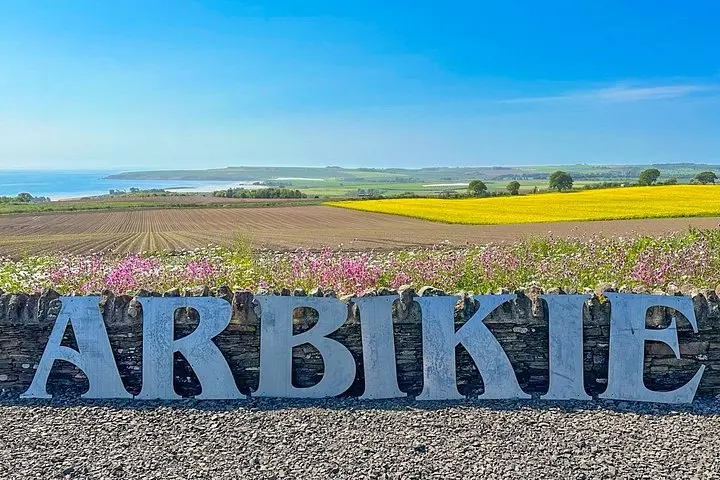
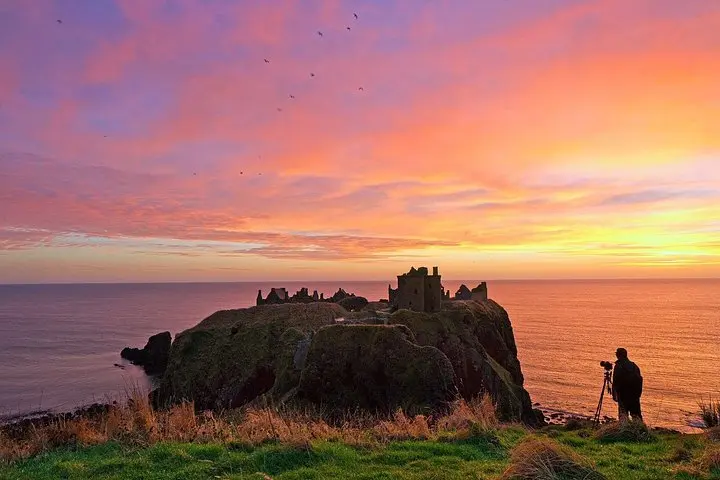
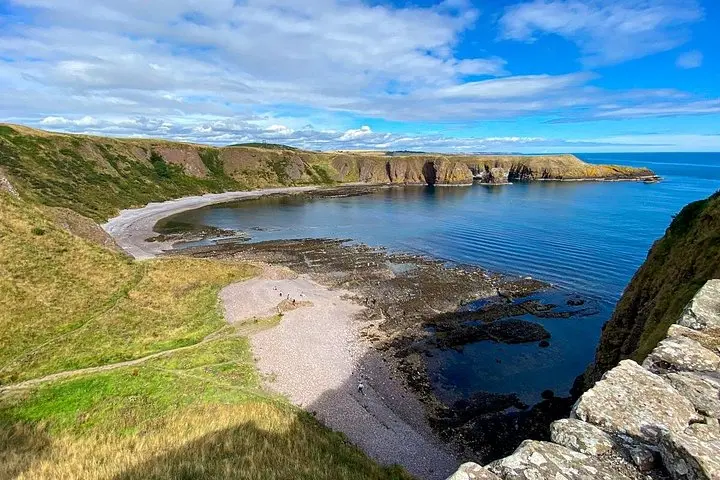
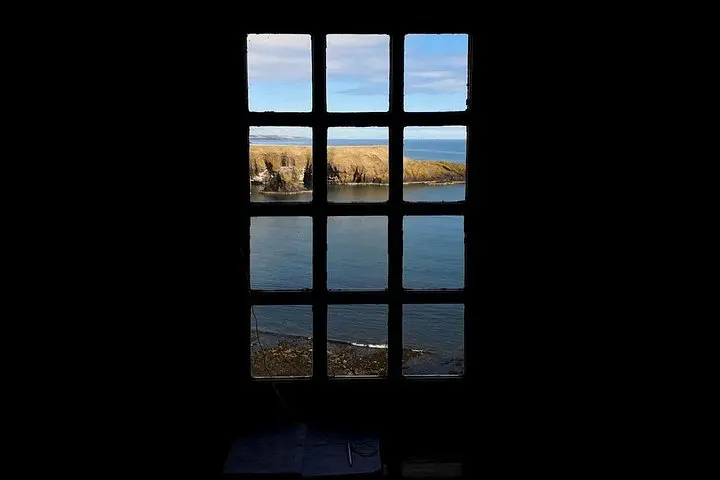
The road from Aberdeen narrows and the North Sea moves closer until the land drops away into a jagged headland. At Dunnottar Castle the wind grades the grass flat and the ruins squat, their broken towers daring you to step the clifftop path and look down where grey water lashes the rocks. Later, beyond a small churchyard and rolling arable fields, Arbikie’s copper stills and barley fields feel less like industry and more like a working landscape shaped by centuries of coastal weather.
The road from Aberdeen narrows and the North Sea moves closer until the land drops away into a jagged headland. At Dunnottar Castle the wind grades the grass flat and the ruins squat, their broken towers daring you to step the clifftop path and look down where grey water lashes the rocks. Later, beyond a small churchyard and rolling arable fields, Arbikie’s copper stills and barley fields feel less like industry and more like a working landscape shaped by centuries of coastal weather.
Dunnottar’s surviving stonework dates from the 13th–16th centuries; its cliffs made it a natural stronghold during sieges, including the dramatic 1651 concealment of Scotland’s Honours. Geologically the headland is Old Red Sandstone overlaid by harder beds, which created the steep promontory. Kinneff Old Church nearby offers a quieter glimpse of 17th‑century parish life tied to the crown‑jewel story, while Arbikie represents modern Highland distilling—field‑to‑bottle production that ties crop, climate and craft together.
Practical guidance: this private day tour runs about 8–9 hours with door‑to‑door pickup from Aberdeen and includes lunch and a tasting at Arbikie (seasonal openings apply). Expect uneven stone paths at Dunnottar, exposed coastal wind, and paid access for interiors. Wear sturdy footwear and layered waterproofs, bring ID for tastings, and allow time for photography and short walks along the shoreline. The route is flexible by season and hotel location—plan for tide‑laced light and changeable weather rather than long, sustained sunshine.