THE ADVENTURE COLLECTIVE® · Independent discovery and booking for outdoor travel

Drive the Mediterranean coast from Tel Aviv to the Lebanon border in a single day: Roman Caesarea, multi-faith Haifa, Crusader Akko and the chalk grottos of Rosh Hanikra. This private tour combines compact walks, coastal geology and layered history with flexible drop-off options for cruise passengers.
Drive the Mediterranean coast from Tel Aviv to the Lebanon border in a single day: Roman Caesarea, multi-faith Haifa, Crusader Akko and the chalk grottos of Rosh Hanikra. This private tour combines compact walks, coastal geology and layered history with flexible drop-off options for cruise passengers.
A morning light strips across the Mediterranean as the vehicle eases out of Tel Aviv and the coast unfolds—vineyards give way to Roman stone, terraced Bahá'í gardens and the white chalk cliffs of Rosh Hanikra. The guide moves through the story of each place with practiced ease: Roman engineering at Caesarea, the layered urban life of Haifa, the Crusader stronghold of Akko, and the sea-carved grottos that stare toward Lebanon.
Verified experiences and guided adventures in the surrounding area.
Operated by Ilya Pevzner Tour Guide Israel · Tel Aviv, Tel Aviv District
A morning light strips across the Mediterranean as the vehicle eases out of Tel Aviv and the coast unfolds—vineyards give way to Roman stone, terraced Bahá'í gardens and the white chalk cliffs of Rosh Hanikra. The guide moves through the story of each place with practiced ease: Roman engineering at Caesarea, the layered urban life of Haifa, the Crusader stronghold of Akko, and the sea-carved grottos that stare toward Lebanon.
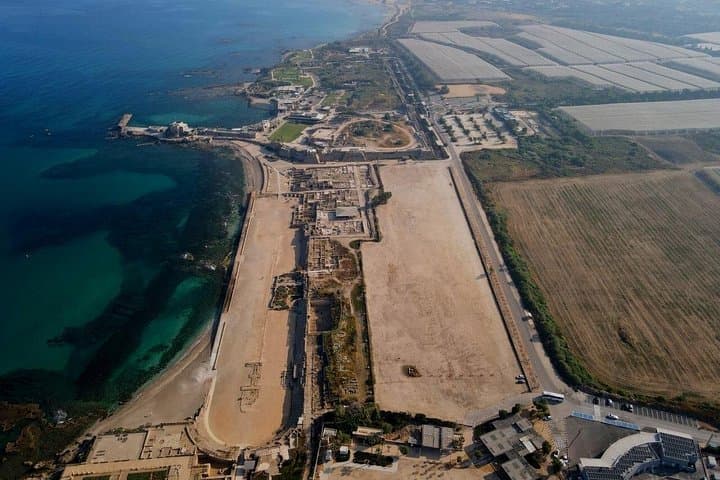
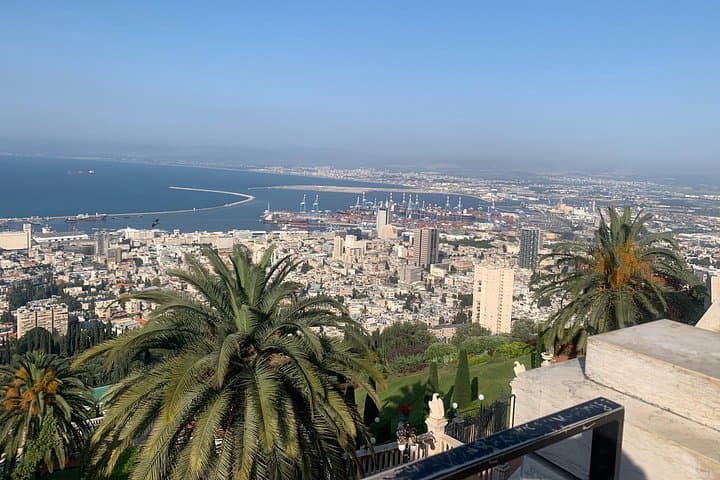
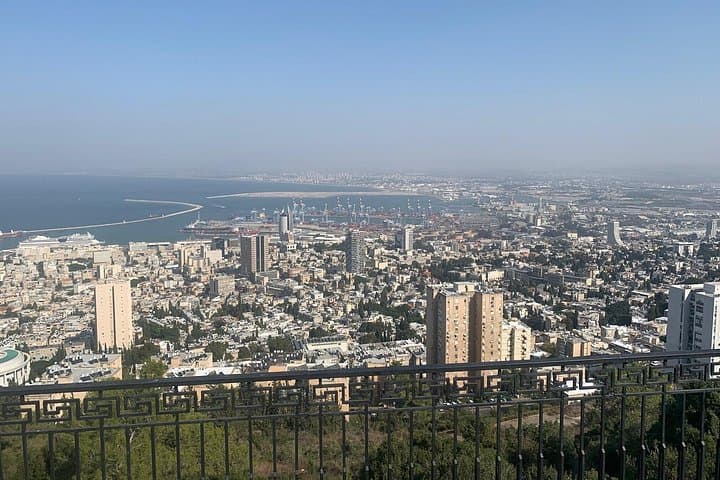
Caesarea’s amphitheater and harbor are reminders of Roman logistics and imperial presence; Haifa’s mix of neighborhoods reflects modern Israel’s plural communities and the world-shrinking significance of the Bahá'í Gardens. Akko (Acre) carries Crusader halls and Ottoman markets stacked above Byzantine and earlier remains. Rosh Hanikra’s geomorphology—soft chalk cliffs split by the sea—creates grottoes where wave action has sculpted caverns and sudden blue pools.
Expect mostly short, guided walks at each stop with time for photography, a market wander in Akko, and an optional lunch at one of Akko’s noted seafood restaurants. Admissions to some sites (Caesarea, Rosh Hanikra grottos, Crusader halls) are typically extra; plan for stairs, uneven cobbles and short cliffside paths. Bring sun protection and water, and factor in traffic between sites; the loop can be finished at Haifa port for cruise passengers.
Practical: reserve lunch if you want Uri Buri, confirm port drop-off early, and carry ID for historic-site tickets. The route suits travelers of most fitness levels who can manage urban walking and short stair climbs.
Yes—this private tour can finish at Haifa port to meet cruise schedules; confirm drop-off details when booking.
No—entrance fees for Caesarea, Rosh Hanikra grottos or Crusader halls are generally not included and are paid on-site.
The vehicle and some transfer points are wheelchair accessible, but many historic sites have stairs and uneven surfaces—notify the operator in advance for accommodations.
Expect short walks (10–30 minutes) at each stop and multiple stair sections in old towns and ruins; the tour is advertised as suitable for most fitness levels.
Ilya Pevzner Tour Guide Israel operates guided outdoor trips and adventures with an emphasis on safety, stewardship, and memorable experiences.
A morning light strips across the Mediterranean as the vehicle eases out of Tel Aviv and the coast unfolds—vineyards give way to Roman stone, terraced Bahá'í gardens and the white chalk cliffs of Rosh Hanikra. The guide moves through the story of each place with practiced ease: Roman engineering at Caesarea, the layered urban life of Haifa, the Crusader stronghold of Akko, and the sea-carved grottos that stare toward Lebanon.
A morning light strips across the Mediterranean as the vehicle eases out of Tel Aviv and the coast unfolds—vineyards give way to Roman stone, terraced Bahá'í gardens and the white chalk cliffs of Rosh Hanikra. The guide moves through the story of each place with practiced ease: Roman engineering at Caesarea, the layered urban life of Haifa, the Crusader stronghold of Akko, and the sea-carved grottos that stare toward Lebanon.
Caesarea’s amphitheater and harbor are reminders of Roman logistics and imperial presence; Haifa’s mix of neighborhoods reflects modern Israel’s plural communities and the world-shrinking significance of the Bahá'í Gardens. Akko (Acre) carries Crusader halls and Ottoman markets stacked above Byzantine and earlier remains. Rosh Hanikra’s geomorphology—soft chalk cliffs split by the sea—creates grottoes where wave action has sculpted caverns and sudden blue pools.
Expect mostly short, guided walks at each stop with time for photography, a market wander in Akko, and an optional lunch at one of Akko’s noted seafood restaurants. Admissions to some sites (Caesarea, Rosh Hanikra grottos, Crusader halls) are typically extra; plan for stairs, uneven cobbles and short cliffside paths. Bring sun protection and water, and factor in traffic between sites; the loop can be finished at Haifa port for cruise passengers.
Practical: reserve lunch if you want Uri Buri, confirm port drop-off early, and carry ID for historic-site tickets. The route suits travelers of most fitness levels who can manage urban walking and short stair climbs.