
Coastal Dutch Footprints Cycling Tour: Colombo to Negombo by Bike
Cycle the Dutch Canal from Colombo to Negombo, tracing colonial architecture, mangrove-backed lagoons and fishing villages. This coastal 60 km route blends flat, fast riding with a boat safari and close cultural encounters.
An Adventure In Colombo.
Cycle the Dutch Canal from Colombo to Negombo, tracing colonial architecture, mangrove-backed lagoons and fishing villages. This coastal 60 km route blends flat, fast riding with a boat safari and close cultural encounters.
Read the full experience
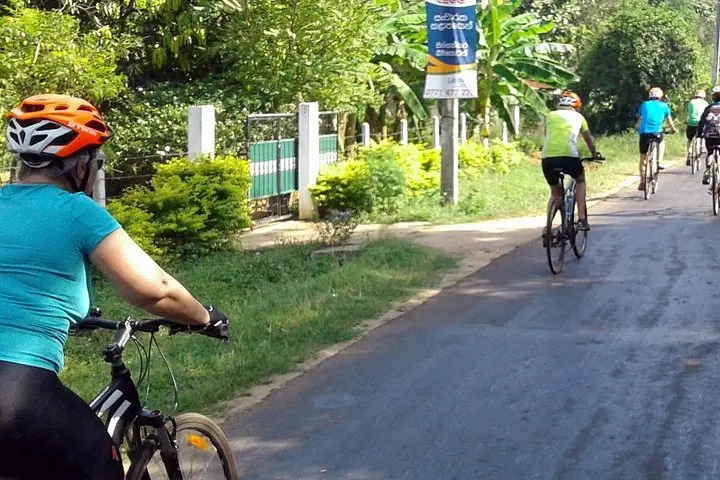
The morning opens cool at Mattakukuliya Bridge: sunlight slashes the Dutch Canal and squawking herons lift off like punctuation as your group gathers. Helmets click, tires hum, and the city’s harbor slowly loosens its grip while the road unspools toward the lagoon and salt flats.
The morning opens cool at Mattakukuliya Bridge: sunlight slashes the Dutch Canal and squawking herons lift off like punctuation as your group gathers. Helmets click, tires hum, and the city’s harbor slowly loosens its grip while the road unspools toward the lagoon and salt flats.
This route follows a visible colonial seam—Dutch-era canals, sea walls and warehouses that shaped Colombo’s port economy in the 17th and 18th centuries. Geologically the Western Coastal Belt is flat, composed of sandbanks, lagoons and mangrove-backed wetlands (Muthurajawela), where peat and alluvial deposits feed a rich estuarine ecology. Culturally you pass through Pettah’s busy marketfront, small Catholic fishing settlements in Negombo and salt-harvesting villages—each place carrying a different cadence of life, from auction calls to lullaby-like fishing songs.
Expect roughly 60 km of mostly flat coastal roads and canal-adjacent tracks, punctuated by short urban stretches with traffic and multiple rest stops. The highlight is the Negombo Lagoon boat safari—an active, tactile look at crab and prawn harvesting that contrasts sharply with the steady rhythm of pedaling. Birdwatchers will spot kingfishers, egrets, and herons; photographers will find color in nets, boats and colonial façades.
Practical tips: start early to beat heat, carry sun protection and at least 2 liters of water, and be ready for open, windy sections where crosswinds can test handling. Helmets and basic road-bike skills are essential; a backup vehicle and guide accompany the group for safety and logistics.
Frequently asked questions
The route covers about 60 km and the full experience including the boat trip runs roughly 5–6 hours.
Yes—bicycles and helmets are provided, and a backup vehicle accompanies the group for support.
Riders should have a moderate fitness level and basic road-cycling competence; urban traffic and wind can make sections challenging for absolute beginners.
Expect estuarine birds such as herons and kingfishers, and sightings of crabs and shrimp harvesting activities; marine mammals are uncommon in the lagoon.
About This Experience
Lakpura LLC operates guided outdoor trips and adventures with an emphasis on safety, stewardship, and memorable experiences.
Adventure tips
Recommended gear
- Comfortable touring or road bike (provided): The operator supplies bikes, but confirm fit and tire condition before starting.
- Helmet (provided): A properly fitted helmet is mandatory for safety and typically supplied by the tour.
- Sun protection (hat, sunglasses, SPF 30+ sunscreen): Open coastal sections expose you to strong sun and glare from water.
- Re-usable water bottle (2L+): Hydration is critical in tropical heat; plan for at least 2 liters per rider.
Photos of the experience
Related adventures & guides
Read the full experience
The morning opens cool at Mattakukuliya Bridge: sunlight slashes the Dutch Canal and squawking herons lift off like punctuation as your group gathers. Helmets click, tires hum, and the city’s harbor slowly loosens its grip while the road unspools toward the lagoon and salt flats.
The morning opens cool at Mattakukuliya Bridge: sunlight slashes the Dutch Canal and squawking herons lift off like punctuation as your group gathers. Helmets click, tires hum, and the city’s harbor slowly loosens its grip while the road unspools toward the lagoon and salt flats.
This route follows a visible colonial seam—Dutch-era canals, sea walls and warehouses that shaped Colombo’s port economy in the 17th and 18th centuries. Geologically the Western Coastal Belt is flat, composed of sandbanks, lagoons and mangrove-backed wetlands (Muthurajawela), where peat and alluvial deposits feed a rich estuarine ecology. Culturally you pass through Pettah’s busy marketfront, small Catholic fishing settlements in Negombo and salt-harvesting villages—each place carrying a different cadence of life, from auction calls to lullaby-like fishing songs.
Expect roughly 60 km of mostly flat coastal roads and canal-adjacent tracks, punctuated by short urban stretches with traffic and multiple rest stops. The highlight is the Negombo Lagoon boat safari—an active, tactile look at crab and prawn harvesting that contrasts sharply with the steady rhythm of pedaling. Birdwatchers will spot kingfishers, egrets, and herons; photographers will find color in nets, boats and colonial façades.
Practical tips: start early to beat heat, carry sun protection and at least 2 liters of water, and be ready for open, windy sections where crosswinds can test handling. Helmets and basic road-bike skills are essential; a backup vehicle and guide accompany the group for safety and logistics.
Make a day of it nearby.
Verified experiences and guided adventures in the surrounding area.