THE ADVENTURE COLLECTIVE® · Independent discovery and booking for outdoor travel

Ride electric from San Sebastián to the historic port of Pasaia on a 3‑hour guided tour that mixes coastal scenery with Basque maritime culture. Small groups, local guides and Orbea e‑bikes make steep coastal terrain accessible to varied skill levels.
Ride electric from San Sebastián to the historic port of Pasaia on a 3‑hour guided tour that mixes coastal scenery with Basque maritime culture. Small groups, local guides and Orbea e‑bikes make steep coastal terrain accessible to varied skill levels.
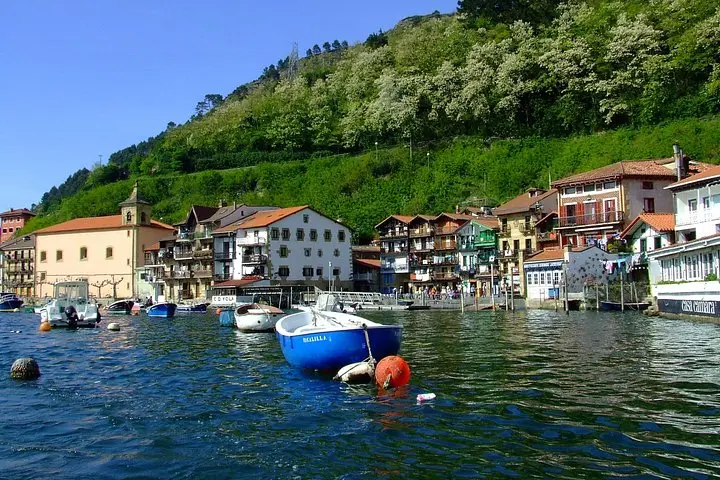
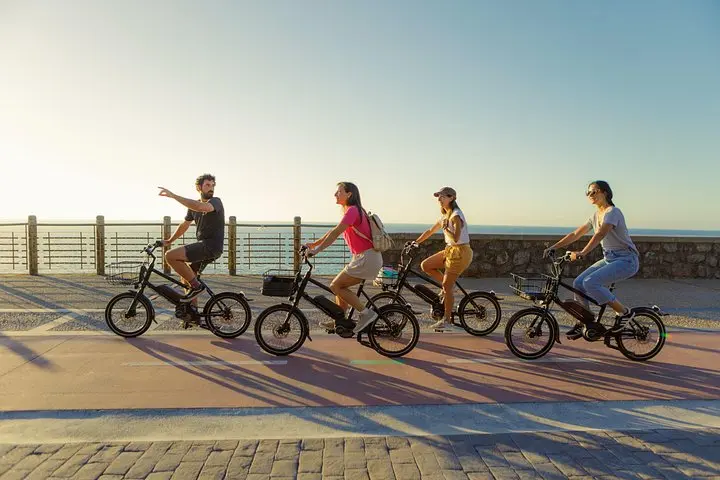
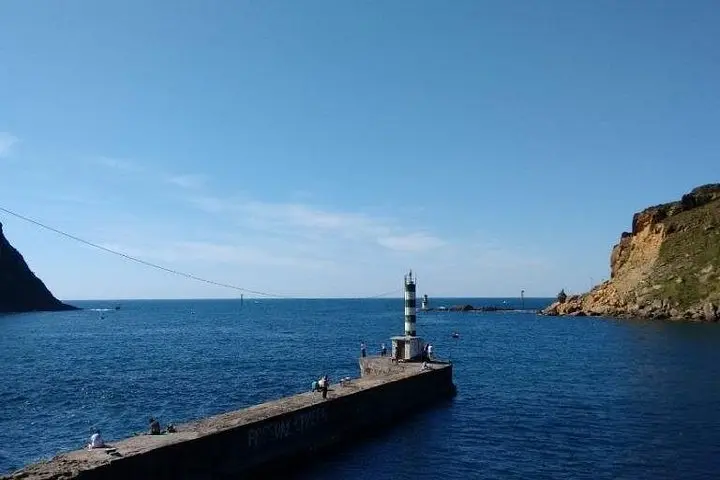
You push off from the boardwalk as gulls wheel and the Cantabrian Sea glints at your shoulder. Electric assistance takes the edge off the climbs while the coastline unfolds—rocky coves, iron-gray cliffs, and compact fishing harbors where salt and industry meet. The guide sets the pace, pointing out surf beaches, the modern sweep of the Kursaal, and the narrow streets of Pasaia as the wind pulls at your jacket.
Verified experiences and guided adventures in the surrounding area.
Operated by GO LOCAL SAN SEBASTIAN · San Sebastián, Gipuzkoa
You push off from the boardwalk as gulls wheel and the Cantabrian Sea glints at your shoulder. Electric assistance takes the edge off the climbs while the coastline unfolds—rocky coves, iron-gray cliffs, and compact fishing harbors where salt and industry meet. The guide sets the pace, pointing out surf beaches, the modern sweep of the Kursaal, and the narrow streets of Pasaia as the wind pulls at your jacket.
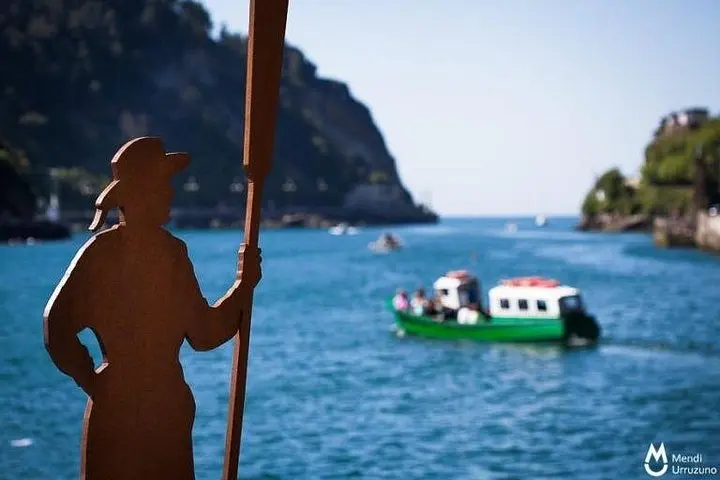
This stretch of Gipuzkoa has long been shaped by the sea: Basque shipwrights, fishing fleets and small-scale industry left terraces, quays and villages like Pasaia Ancho and San Pedro. Geologically, the coast is young and steep—folded sedimentary rock carved by waves—so expect short, sharp rises and panoramic drops to the water. Local culture remains maritime; you’ll pass fish smoking sheds, shipyards and plazas where sailors once traded news.
Practically, the tour is three hours and suitable for riders comfortable on two wheels; e-bikes smooth out hills but basic handling matters. Wear weatherproof layers—coastal winds can change fast—closed-toe shoes, and bring a small daypack for snacks and a camera. The operator supplies Orbea electric bikes, helmets and bottled water; groups are small and routes include short on-foot sections to explore Pasaia’s river mouth.
Timing matters: mornings are calmer for photography and lighter traffic, while late afternoon casts warm light on the harbour. Be prepared for wind on exposed points, and follow the guide’s local insights about crossing roads, passing pedestrians and stopping at viewpoints. For travelers who want coastal history without steep effort, this is a concise, scenic option.
Yes—Orbea electric bikes are supplied along with helmets and bottled water.
Yes; the route is designed for mixed abilities and e‑assistance makes climbs manageable, though basic bike handling is required.
The guided experience is about three hours; distance varies with route but typically spans the coastal corridor between San Sebastián and Pasaia (~15–25 km depending on chosen detours).
The operator may cancel for poor weather with full refund if conditions make the route unsafe—confirm the cancellation policy when booking.
GO LOCAL SAN SEBASTIAN operates guided outdoor trips and adventures with an emphasis on safety, stewardship, and memorable experiences.
You push off from the boardwalk as gulls wheel and the Cantabrian Sea glints at your shoulder. Electric assistance takes the edge off the climbs while the coastline unfolds—rocky coves, iron-gray cliffs, and compact fishing harbors where salt and industry meet. The guide sets the pace, pointing out surf beaches, the modern sweep of the Kursaal, and the narrow streets of Pasaia as the wind pulls at your jacket.
You push off from the boardwalk as gulls wheel and the Cantabrian Sea glints at your shoulder. Electric assistance takes the edge off the climbs while the coastline unfolds—rocky coves, iron-gray cliffs, and compact fishing harbors where salt and industry meet. The guide sets the pace, pointing out surf beaches, the modern sweep of the Kursaal, and the narrow streets of Pasaia as the wind pulls at your jacket.
This stretch of Gipuzkoa has long been shaped by the sea: Basque shipwrights, fishing fleets and small-scale industry left terraces, quays and villages like Pasaia Ancho and San Pedro. Geologically, the coast is young and steep—folded sedimentary rock carved by waves—so expect short, sharp rises and panoramic drops to the water. Local culture remains maritime; you’ll pass fish smoking sheds, shipyards and plazas where sailors once traded news.
Practically, the tour is three hours and suitable for riders comfortable on two wheels; e-bikes smooth out hills but basic handling matters. Wear weatherproof layers—coastal winds can change fast—closed-toe shoes, and bring a small daypack for snacks and a camera. The operator supplies Orbea electric bikes, helmets and bottled water; groups are small and routes include short on-foot sections to explore Pasaia’s river mouth.
Timing matters: mornings are calmer for photography and lighter traffic, while late afternoon casts warm light on the harbour. Be prepared for wind on exposed points, and follow the guide’s local insights about crossing roads, passing pedestrians and stopping at viewpoints. For travelers who want coastal history without steep effort, this is a concise, scenic option.