THE ADVENTURE COLLECTIVE® · Independent discovery and booking for outdoor travel

Follow the Camí de Cavalls from Es Grau through salt marshes, dunes and pines to Cala Gominola and Sa Torreta Beach. This guided 9 km loop blends birdwatching, coastal geology and an optional dip in the Mediterranean.
Follow the Camí de Cavalls from Es Grau through salt marshes, dunes and pines to Cala Gominola and Sa Torreta Beach. This guided 9 km loop blends birdwatching, coastal geology and an optional dip in the Mediterranean.
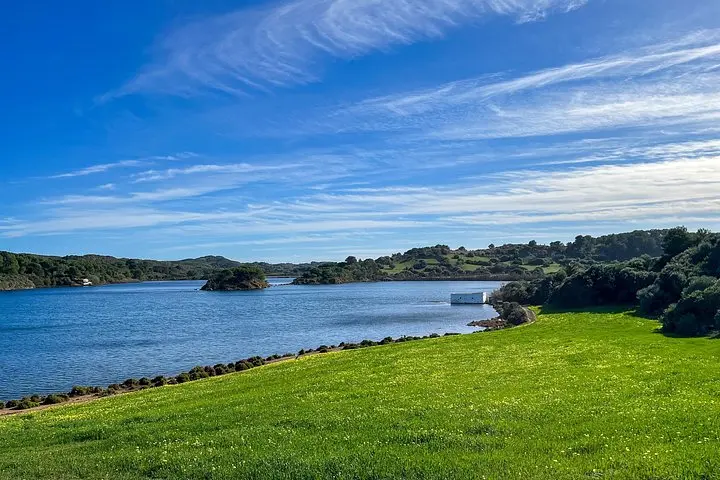
A cool salt breeze lifts as the trail peels away from the small village of Es Grau and the wetland opens like a shallow mirror. Reeds whisper; the shallow lagoon dares you to look closer as waders pivot and herons quarter the sky. The route follows the Camí de Cavalls, a historic coastal path that alternates pine-shaded stretches with exposed limestone headlands, ending in the sheltered curve of Sa Torreta Beach.
Verified experiences and guided adventures in the surrounding area.
Operated by Amazing Menorca · Es Grau, Menorca
A cool salt breeze lifts as the trail peels away from the small village of Es Grau and the wetland opens like a shallow mirror. Reeds whisper; the shallow lagoon dares you to look closer as waders pivot and herons quarter the sky. The route follows the Camí de Cavalls, a historic coastal path that alternates pine-shaded stretches with exposed limestone headlands, ending in the sheltered curve of Sa Torreta Beach.
The park is a protected wetland—declared a Special Protection Area for birds—where marshes, dunes and pine groves meet the Mediterranean. Geologically, the shoreline is a mix of sedimentary limestone and dune sand, shaped by sea and wind over millennia. Scattered stone watchtowers mark Menorca’s defensive network from the 17th–18th centuries and add a human layer to a landscape long used for fishing and seasonal grazing.
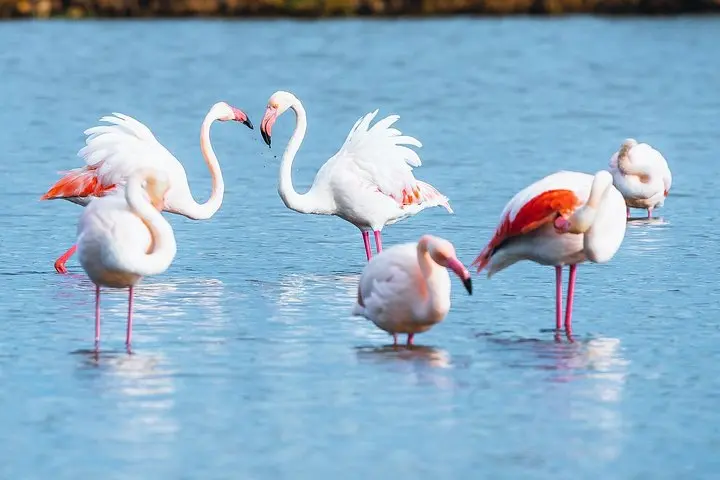
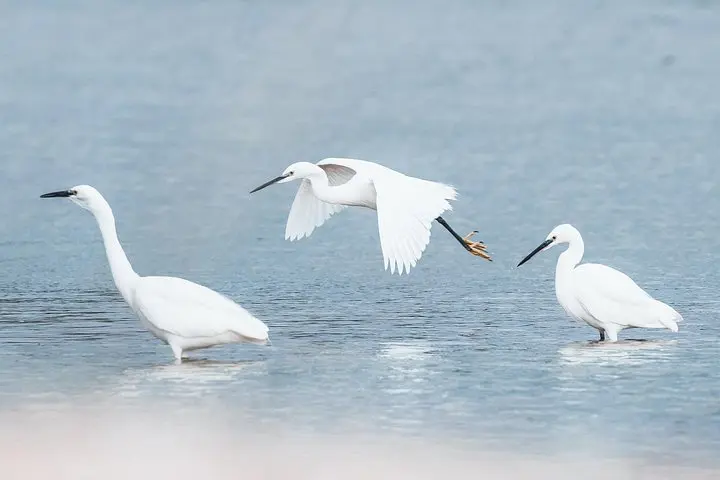
Guided walks focus on island endemics, migratory birds and the delicate balance of this lagoon system; expect close-up views of reedbeds and coastal scrub, and a likely swim stop at Cala Gominola or Sa Torreta when the light and tide allow. The itinerary covers roughly 9 km with about 170 m positive gain—strenuous only in brief rises—and typically takes around 2½–3 hours moving time.
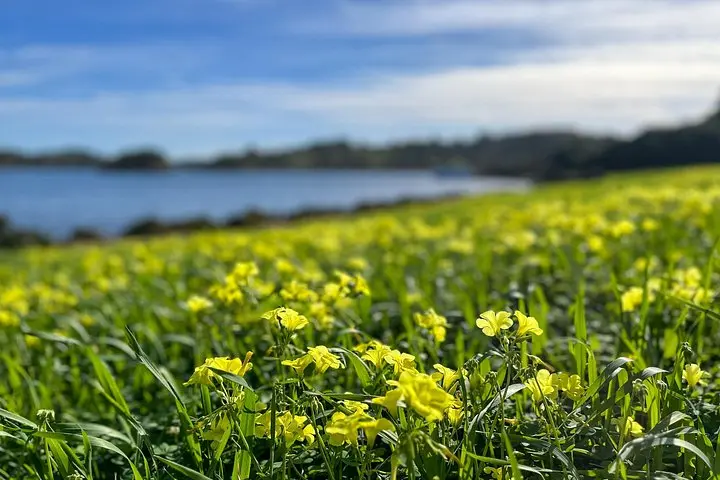
Practical notes: wear good trail shoes for mixed sand and shale, carry sun protection and at least 1–1.5 L of water, and bring a towel if you plan to swim. Stick to the marked path to protect nesting birds and fragile dune vegetation; local guides will point out species and safe viewpoints along the way.
The guided route covers about 9 km with ~170 m of gain; it’s rated medium-easy—suitable for most people who can walk several kilometers on uneven ground.
The walk starts and ends in Es Grau; the tour listing includes private transportation options—confirm pickup details when booking.
Expect waders and ducks in the lagoon, herons and marsh birds, plus occasional sightings of turtles and lizards in scrubby areas.
Yes—there’s usually time for a swim at Cala Gominola or Sa Torreta Beach; bring a towel and check guide advice about currents and safe entry points.
Amazing Menorca operates guided outdoor trips and adventures with an emphasis on safety, stewardship, and memorable experiences.
A cool salt breeze lifts as the trail peels away from the small village of Es Grau and the wetland opens like a shallow mirror. Reeds whisper; the shallow lagoon dares you to look closer as waders pivot and herons quarter the sky. The route follows the Camí de Cavalls, a historic coastal path that alternates pine-shaded stretches with exposed limestone headlands, ending in the sheltered curve of Sa Torreta Beach.
A cool salt breeze lifts as the trail peels away from the small village of Es Grau and the wetland opens like a shallow mirror. Reeds whisper; the shallow lagoon dares you to look closer as waders pivot and herons quarter the sky. The route follows the Camí de Cavalls, a historic coastal path that alternates pine-shaded stretches with exposed limestone headlands, ending in the sheltered curve of Sa Torreta Beach.
The park is a protected wetland—declared a Special Protection Area for birds—where marshes, dunes and pine groves meet the Mediterranean. Geologically, the shoreline is a mix of sedimentary limestone and dune sand, shaped by sea and wind over millennia. Scattered stone watchtowers mark Menorca’s defensive network from the 17th–18th centuries and add a human layer to a landscape long used for fishing and seasonal grazing.
Guided walks focus on island endemics, migratory birds and the delicate balance of this lagoon system; expect close-up views of reedbeds and coastal scrub, and a likely swim stop at Cala Gominola or Sa Torreta when the light and tide allow. The itinerary covers roughly 9 km with about 170 m positive gain—strenuous only in brief rises—and typically takes around 2½–3 hours moving time.
Practical notes: wear good trail shoes for mixed sand and shale, carry sun protection and at least 1–1.5 L of water, and bring a towel if you plan to swim. Stick to the marked path to protect nesting birds and fragile dune vegetation; local guides will point out species and safe viewpoints along the way.