THE ADVENTURE COLLECTIVE® · Independent discovery and booking for outdoor travel

Explore Galle’s fortified streets, watch the rare practice of stilt fishing, and visit a local turtle hatchery on a full-day cultural and coastal tour from Colombo. This trip blends colonial history, coastal geology, and living traditions into an accessible day out.
Explore Galle’s fortified streets, watch the rare practice of stilt fishing, and visit a local turtle hatchery on a full-day cultural and coastal tour from Colombo. This trip blends colonial history, coastal geology, and living traditions into an accessible day out.
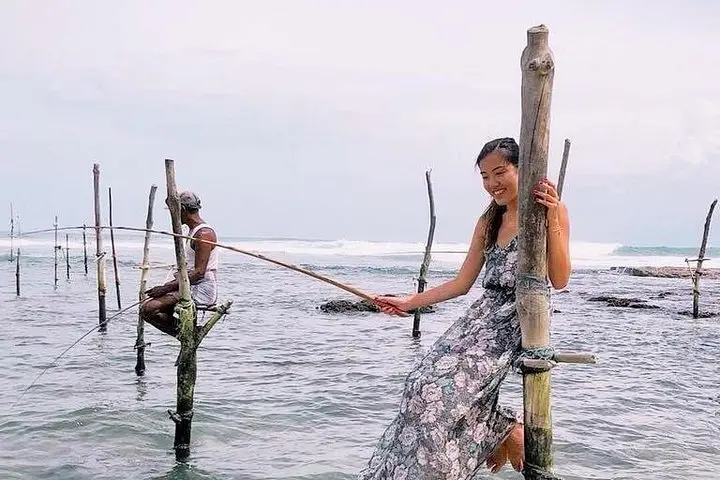
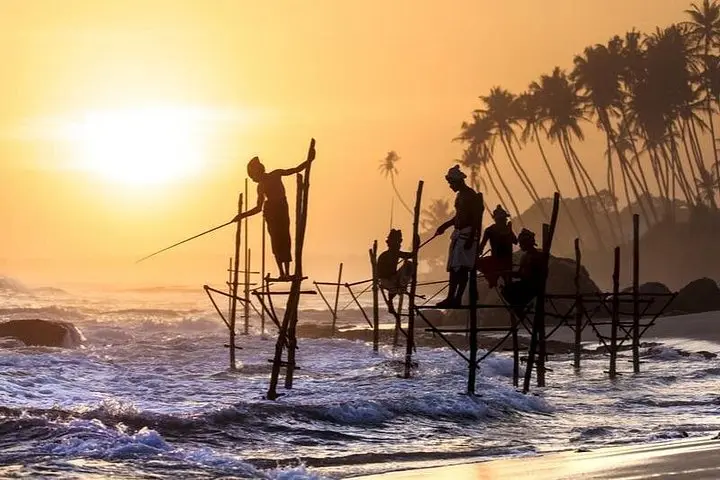
You step off the air-conditioned van into the warm tang of sea salt and fried coconut, the ocean’s edge a low drum beneath the Galle ramparts. The fort’s stone walks lean into wind and tide, and fishermen on stilts punctuate the shallow surf like quiet, defiant sculptures—balanced, patient, and oddly theatrical against the blue.
Verified experiences and guided adventures in the surrounding area.
Operated by Asni Tours & Travel (M) Sdn Bhd · Galle, Southern Province
You step off the air-conditioned van into the warm tang of sea salt and fried coconut, the ocean’s edge a low drum beneath the Galle ramparts. The fort’s stone walks lean into wind and tide, and fishermen on stilts punctuate the shallow surf like quiet, defiant sculptures—balanced, patient, and oddly theatrical against the blue.
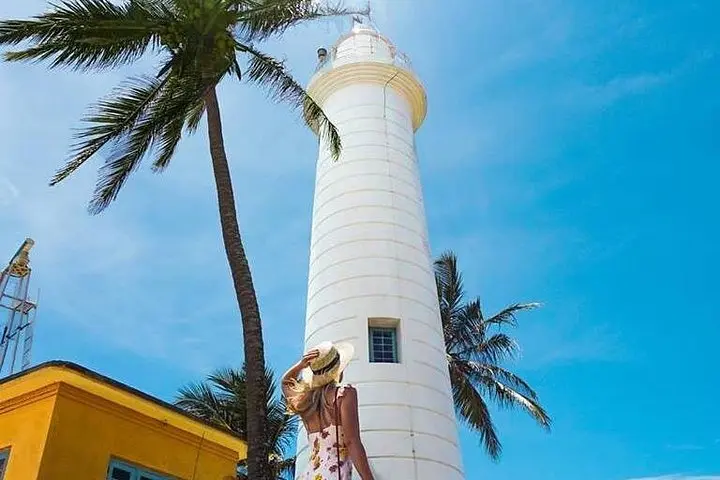
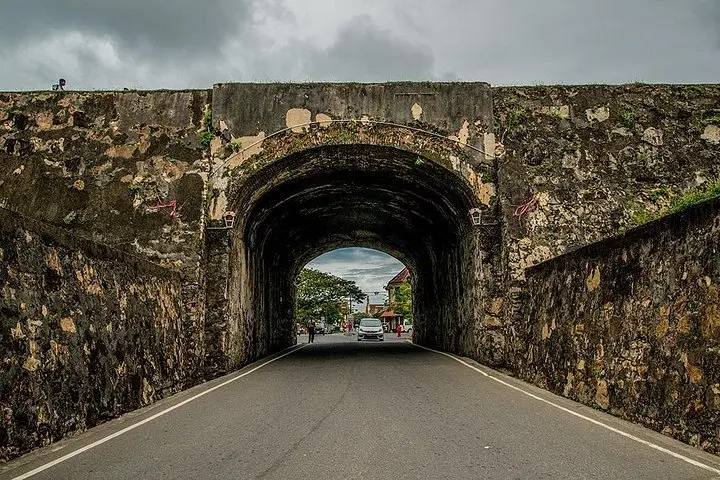
Galle is a layered city: a Portuguese outpost, rebuilt into a Dutch fortified harbor in the 17th century, later adapted by the British. The fort’s walls are basalt and coral rock, engineered to face both the ocean and the era’s geopolitics; gutters and alleys remember centuries of trade, spices and shipwrights. Geologically the coast is a ribbon of sandy beaches and coastal plains, the sea nudging into old masonry and fishing hamlets.
Culturally, the fort’s cobbles host Anglican churches, colonial warehouses turned eateries, and a living community that still sells spices and tea. Nearby Mahamodara’s turtle hatchery signals a conservation story: locals rescuing injured turtles from the fishing grounds. The stilt fishermen—an iconic, fragile practice—offer a glimpse into a rhythm of life where tide and patience decide the day.
Practical guidance: expect a full-day outing from Colombo (about 2–3 hours one way, depending on traffic). Wear sturdy walking shoes for uneven cobbles, bring layered sun protection, and carry cash for small purchases. If you want photos of stilt fishing, be respectful and ask permission; the fishermen often work for tips. Hydrate between stops, plan for brief beach pauses, and time your visit for morning or late afternoon light when the fort cools and the sea changes color.
Driving time is typically 2–3 hours each way from central Colombo, but traffic and time of day can extend the journey.
Stilt fishing is a skilled, sometimes precarious practice; most tours offer observation and photos rather than hands-on participation, although some fishermen may allow brief supervised attempts.
The tour includes transport and an English-speaking driver but not all meals; plan to buy lunch in Galle or bring snacks and bottled water.
The tour is family-friendly but involves walking on uneven surfaces; infants can use strollers for some areas, but wheelchairs may be limited within the fort’s narrow lanes.
Asni Tours & Travel (M) Sdn Bhd operates guided outdoor trips and adventures with an emphasis on safety, stewardship, and memorable experiences.
You step off the air-conditioned van into the warm tang of sea salt and fried coconut, the ocean’s edge a low drum beneath the Galle ramparts. The fort’s stone walks lean into wind and tide, and fishermen on stilts punctuate the shallow surf like quiet, defiant sculptures—balanced, patient, and oddly theatrical against the blue.
You step off the air-conditioned van into the warm tang of sea salt and fried coconut, the ocean’s edge a low drum beneath the Galle ramparts. The fort’s stone walks lean into wind and tide, and fishermen on stilts punctuate the shallow surf like quiet, defiant sculptures—balanced, patient, and oddly theatrical against the blue.
Galle is a layered city: a Portuguese outpost, rebuilt into a Dutch fortified harbor in the 17th century, later adapted by the British. The fort’s walls are basalt and coral rock, engineered to face both the ocean and the era’s geopolitics; gutters and alleys remember centuries of trade, spices and shipwrights. Geologically the coast is a ribbon of sandy beaches and coastal plains, the sea nudging into old masonry and fishing hamlets.
Culturally, the fort’s cobbles host Anglican churches, colonial warehouses turned eateries, and a living community that still sells spices and tea. Nearby Mahamodara’s turtle hatchery signals a conservation story: locals rescuing injured turtles from the fishing grounds. The stilt fishermen—an iconic, fragile practice—offer a glimpse into a rhythm of life where tide and patience decide the day.
Practical guidance: expect a full-day outing from Colombo (about 2–3 hours one way, depending on traffic). Wear sturdy walking shoes for uneven cobbles, bring layered sun protection, and carry cash for small purchases. If you want photos of stilt fishing, be respectful and ask permission; the fishermen often work for tips. Hydrate between stops, plan for brief beach pauses, and time your visit for morning or late afternoon light when the fort cools and the sea changes color.