THE ADVENTURE COLLECTIVE® · Independent discovery and booking for outdoor travel

Paddle calm stretches of Icy Strait from Hoonah on a 2–3 hour guided tour that’s built for easy coastal navigation and wildlife viewing. Comfortable for most fitness levels, the route follows shoreline coves and an old logging camp while guides share local history and natural highlights.
Paddle calm stretches of Icy Strait from Hoonah on a 2–3 hour guided tour that’s built for easy coastal navigation and wildlife viewing. Comfortable for most fitness levels, the route follows shoreline coves and an old logging camp while guides share local history and natural highlights.
You step off the green gondola, the sea-salt air sharp against spruce and cedar, and a low swell rocks the harbor like a promise. Paddles skim glassy water as the town of Hoonah falls behind and the shore opens: rocky headlands, tidal flats, and the remnants of an old logging camp where pilings still poke from the sea.
Verified experiences and guided adventures in the surrounding area.
Operated by Fairweather Kayaks · Hoonah, Alaska
You step off the green gondola, the sea-salt air sharp against spruce and cedar, and a low swell rocks the harbor like a promise. Paddles skim glassy water as the town of Hoonah falls behind and the shore opens: rocky headlands, tidal flats, and the remnants of an old logging camp where pilings still poke from the sea.
This stretch of Icy Strait sits on the edge of the Alexander Archipelago, carved by glaciers and written in exposed bedrock and shelves of cobble beaches. The area is part of Tlingit homelands; fish camps and canneries shaped the modern village and its relationship with the sea. Today guides blend local stories with practical route choices that favor calm water and wildlife viewing.
Expect easy coastal paddling with frequent stops to peer at sea otters rolling in kelp, bald eagles perched on snaggy spruce, and the occasional humpback blow offshore. The route often follows the shoreline toward a decommissioned logging site—flat water, short tidal currents, and sheltered coves mean the outing is accessible for most people.
Practically: tours run roughly 2–3 hours and include kayaks, PFDs, paddles and light rain ponchos. Dress in layers, bring a dry bag and camera, and be prepared for variable weather; guides insist on safe distances from wildlife and basic paddling technique. If you’re arriving by cruise ship, follow the Adventure Center signs and check in at the Excursion Hub 15 minutes early. The trip rewards patience: quiet paddling, wildlife encounters, and a direct sense of how geology and human history shape this coastline.
Trips are designed for beginners and casual paddlers; guides provide a safety briefing and basic paddling instruction before launch.
If docked at the Adventure Dock, enter the Icy Strait Point Adventure Center and follow signs to door #2 and the Excursion Hub; if at the Wilderness Dock, take the free green transporter gondola and follow the signs.
Yes—PFDs, paddles, kayaks, spray skirts and light rain ponchos are supplied by the operator.
Common sightings include sea otters, bald eagles, harbor seals and seasonal humpback whales; sightings can’t be guaranteed but guides choose routes with good viewing potential.
Fairweather Kayaks operates guided outdoor trips and adventures with an emphasis on safety, stewardship, and memorable experiences.

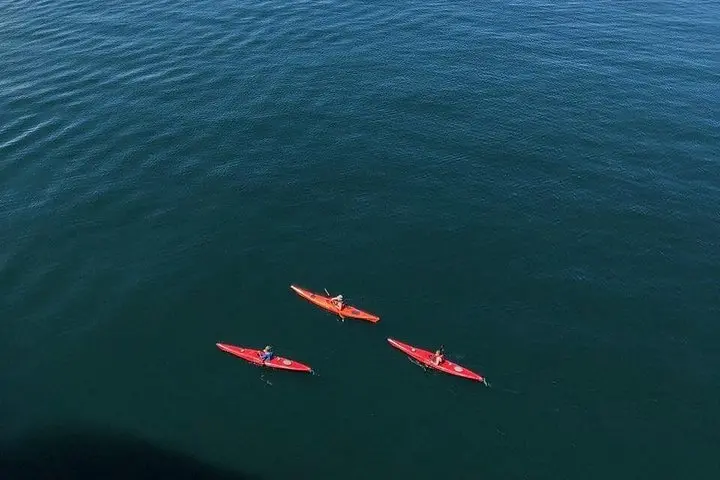
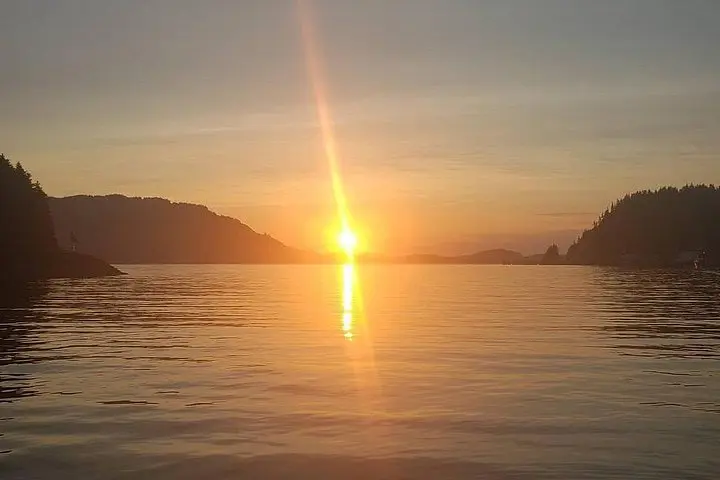
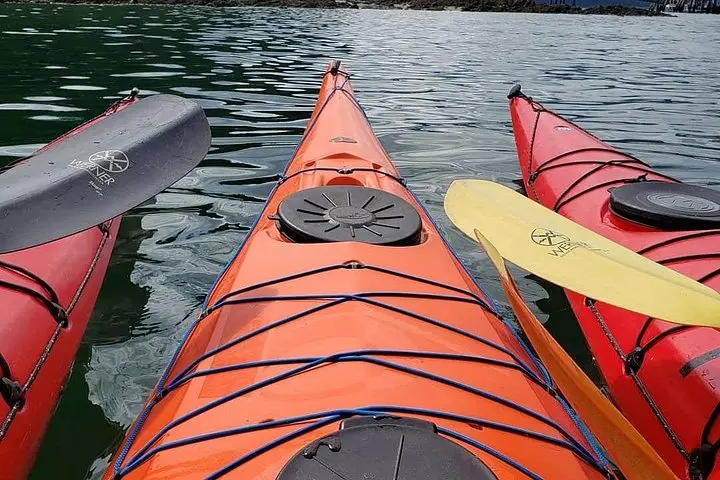
You step off the green gondola, the sea-salt air sharp against spruce and cedar, and a low swell rocks the harbor like a promise. Paddles skim glassy water as the town of Hoonah falls behind and the shore opens: rocky headlands, tidal flats, and the remnants of an old logging camp where pilings still poke from the sea.
You step off the green gondola, the sea-salt air sharp against spruce and cedar, and a low swell rocks the harbor like a promise. Paddles skim glassy water as the town of Hoonah falls behind and the shore opens: rocky headlands, tidal flats, and the remnants of an old logging camp where pilings still poke from the sea.
This stretch of Icy Strait sits on the edge of the Alexander Archipelago, carved by glaciers and written in exposed bedrock and shelves of cobble beaches. The area is part of Tlingit homelands; fish camps and canneries shaped the modern village and its relationship with the sea. Today guides blend local stories with practical route choices that favor calm water and wildlife viewing.
Expect easy coastal paddling with frequent stops to peer at sea otters rolling in kelp, bald eagles perched on snaggy spruce, and the occasional humpback blow offshore. The route often follows the shoreline toward a decommissioned logging site—flat water, short tidal currents, and sheltered coves mean the outing is accessible for most people.
Practically: tours run roughly 2–3 hours and include kayaks, PFDs, paddles and light rain ponchos. Dress in layers, bring a dry bag and camera, and be prepared for variable weather; guides insist on safe distances from wildlife and basic paddling technique. If you’re arriving by cruise ship, follow the Adventure Center signs and check in at the Excursion Hub 15 minutes early. The trip rewards patience: quiet paddling, wildlife encounters, and a direct sense of how geology and human history shape this coastline.