THE ADVENTURE COLLECTIVE® · Independent discovery and booking for outdoor travel

Trace millennia of Mediterranean trade on a private day tour from Beirut to Sidon, Maghdouche and Tyre. Walk Crusader ramparts, browse a living souk and stand beside an intact Roman hippodrome while coastal breezes carry stories of the Phoenicians.
Trace millennia of Mediterranean trade on a private day tour from Beirut to Sidon, Maghdouche and Tyre. Walk Crusader ramparts, browse a living souk and stand beside an intact Roman hippodrome while coastal breezes carry stories of the Phoenicians.
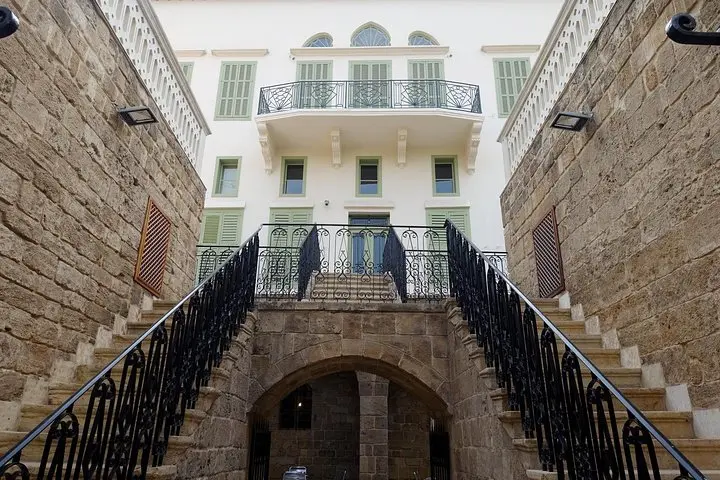
You step into a coastal sky where gulls wheel and the Mediterranean pushes a cold shoulder against ancient stones. The drive south from Beirut follows a ribbon of highway and then narrows into towns whose facades still carry Roman arches and Ottoman balconies—by midday you’re walking where Phoenician merchants once unloaded purple-dyed cloth and murex shells.
Verified experiences and guided adventures in the surrounding area.
Operated by Lebanon Tours Online · Sidon, South Governorate
You step into a coastal sky where gulls wheel and the Mediterranean pushes a cold shoulder against ancient stones. The drive south from Beirut follows a ribbon of highway and then narrows into towns whose facades still carry Roman arches and Ottoman balconies—by midday you’re walking where Phoenician merchants once unloaded purple-dyed cloth and murex shells.
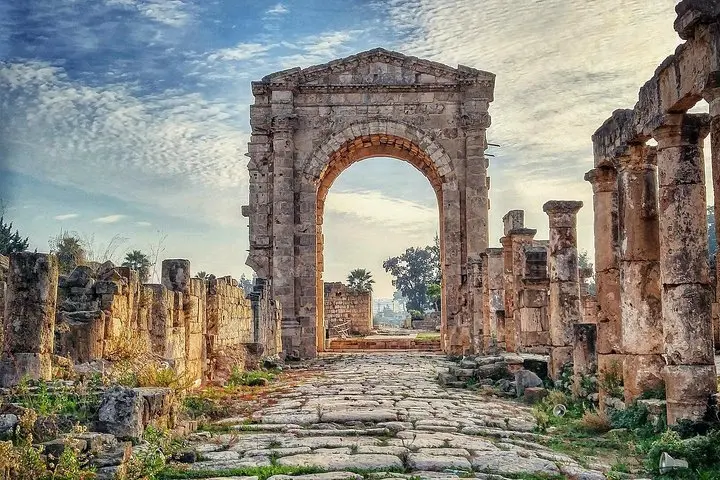
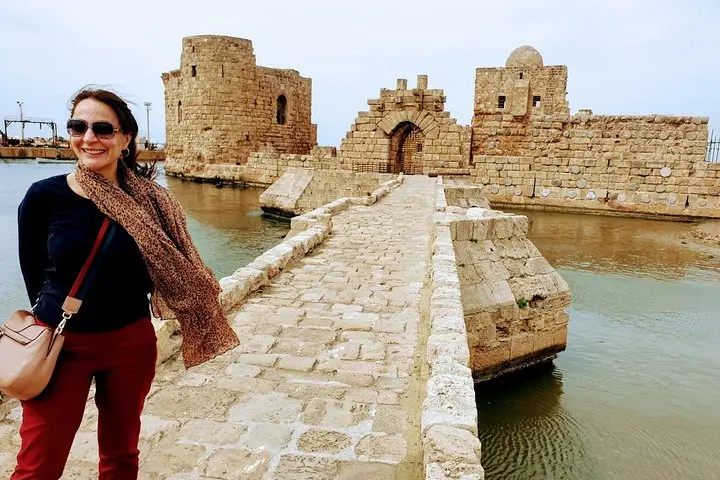
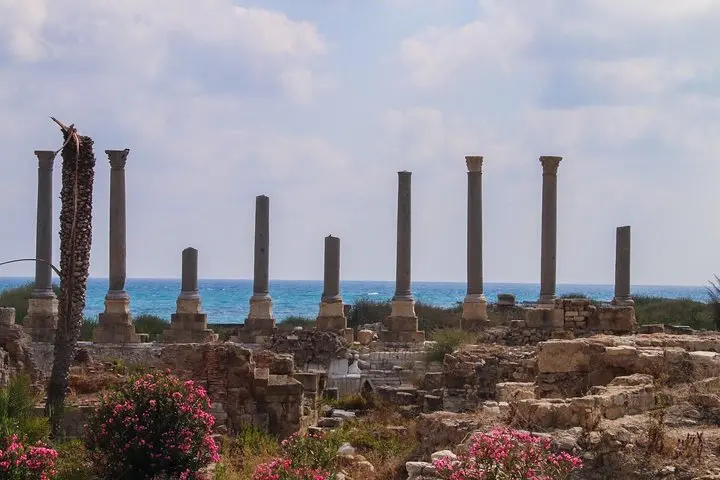
Sidon opens with a compact old souk and the Sea Castle rising from a causeway—a thirteenth-century Crusader fort that still watches the harbor. The souk’s alleys offer an immediate sense of daily life: spice sellers, shoemakers and the low murmur of bargaining. Maghdouche perches above the plain; its shrine and cave are a local pilgrimage site with views over the palms to the sea. In Tyre, the scale shifts: monumental ruins at Al-Bass—an intact Roman road, triumphal arch and a vast hippodrome—demonstrate a city that dominated maritime trade for millennia.
Geology is apparent in the limestone benches and coastal alluvium that preserved harbors and necropoleis. Culture here is layered—Phoenician shipwrights, Hellenistic columns, Roman engineers, Crusader fortifications. Practical guidance: the day is mostly on foot across uneven stone and sand; expect sun, salt spray and narrow market alleys.
Plan for an early pickup from Beirut, comfortable walking shoes, water and modest dress at religious sites. Allow time for short museum stops and local food—fresh fish or mezze—between ruins. The tour is a concentrated history lesson delivered against a coastal landscape that still dares you to trace its old sea lanes.
Yes — this private tour includes hotel pickup and drop-off in Beirut; confirm your pickup point when you book.
Admission policies vary by site; the tour description notes when entrances are covered—ask the operator for current inclusions.
The tour is described as physically easy and infant seats are available, but uneven surfaces may be challenging for strollers and very young children.
Yes — the itinerary allows time in towns for restrooms and a local lunch; bring cash for small cafes.
Lebanon Tours Online operates guided outdoor trips and adventures with an emphasis on safety, stewardship, and memorable experiences.
You step into a coastal sky where gulls wheel and the Mediterranean pushes a cold shoulder against ancient stones. The drive south from Beirut follows a ribbon of highway and then narrows into towns whose facades still carry Roman arches and Ottoman balconies—by midday you’re walking where Phoenician merchants once unloaded purple-dyed cloth and murex shells.
You step into a coastal sky where gulls wheel and the Mediterranean pushes a cold shoulder against ancient stones. The drive south from Beirut follows a ribbon of highway and then narrows into towns whose facades still carry Roman arches and Ottoman balconies—by midday you’re walking where Phoenician merchants once unloaded purple-dyed cloth and murex shells.
Sidon opens with a compact old souk and the Sea Castle rising from a causeway—a thirteenth-century Crusader fort that still watches the harbor. The souk’s alleys offer an immediate sense of daily life: spice sellers, shoemakers and the low murmur of bargaining. Maghdouche perches above the plain; its shrine and cave are a local pilgrimage site with views over the palms to the sea. In Tyre, the scale shifts: monumental ruins at Al-Bass—an intact Roman road, triumphal arch and a vast hippodrome—demonstrate a city that dominated maritime trade for millennia.
Geology is apparent in the limestone benches and coastal alluvium that preserved harbors and necropoleis. Culture here is layered—Phoenician shipwrights, Hellenistic columns, Roman engineers, Crusader fortifications. Practical guidance: the day is mostly on foot across uneven stone and sand; expect sun, salt spray and narrow market alleys.
Plan for an early pickup from Beirut, comfortable walking shoes, water and modest dress at religious sites. Allow time for short museum stops and local food—fresh fish or mezze—between ruins. The tour is a concentrated history lesson delivered against a coastal landscape that still dares you to trace its old sea lanes.