THE ADVENTURE COLLECTIVE® · Independent discovery and booking for outdoor travel

Spend a full day climbing Ti Point’s coastal cliffs north of Auckland, trading classroom technique for hands-on practice on single-pitch sandstone faces. Expect ocean views, expert instruction, and varied routes for beginners through experienced climbers.
Spend a full day climbing Ti Point’s coastal cliffs north of Auckland, trading classroom technique for hands-on practice on single-pitch sandstone faces. Expect ocean views, expert instruction, and varied routes for beginners through experienced climbers.
The day begins on a wind-swept headland where the ocean presses its blue edge against layered sandstone and scrub. Guides brief the group beside low pohutukawa, then the party slips onto a short coastal track that opens onto vertical faces dropping to the Hauraki Gulf. Salt-scented air and the sound of gulls set a brisk rhythm as climbers clip in and move upward.
Verified experiences and guided adventures in the surrounding area.
Operated by Social Nature Movement · Auckland, Auckland Region
The day begins on a wind-swept headland where the ocean presses its blue edge against layered sandstone and scrub. Guides brief the group beside low pohutukawa, then the party slips onto a short coastal track that opens onto vertical faces dropping to the Hauraki Gulf. Salt-scented air and the sound of gulls set a brisk rhythm as climbers clip in and move upward.
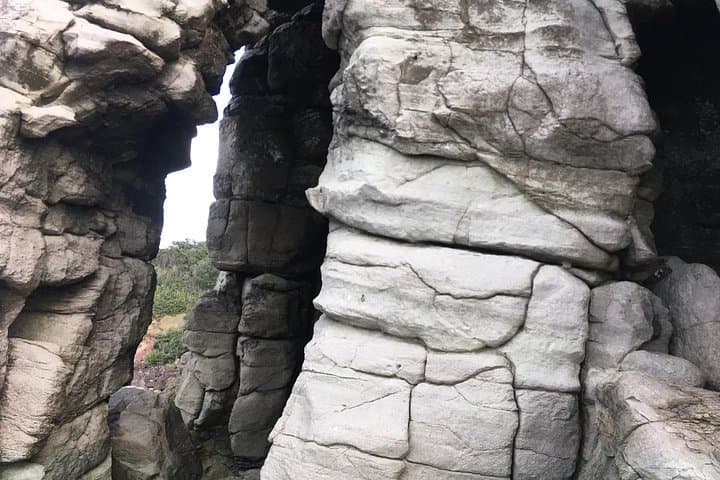
Ti Point’s cliffs are carved from Waitemata sandstones and older sedimentary beds; the rock offers pockets, edges and occasional flakes that reward good footwork more than brute force. The peninsula has a simple coastal history — fishing and small-scale quarrying — and nearby Māori pā sites speak to a long relationship between people and sea. Guides often point out local place names and coastal ecology as part of the experience.
Expect a full day of varied single-pitch routes (typically 10–25 m) with approach walks of 5–30 minutes and modest elevation changes of roughly 30–70 meters per sector. Routes suit beginners through experienced climbers: novices learn knots, belay systems and movement technique, while stronger climbers tackle steeper lines.
Practical notes: the operator provides ropes, helmets and harnesses; bring approach shoes, layered clothing for coastal gusts, sun protection and 1.5–2 L of water. Be tide- and weather-aware — climbing can be canceled in rough seas or driving rain. Photography is encouraged but keep movements deliberate on ledges. With sensible preparation, Ti Point delivers clean rock, sweeping sea views and a rewarding day of guided climbing on Auckland’s northern coastline.
No — the full-day tour is designed for all levels; guides teach basics like knots, belaying and movement, but experienced climbers can be challenged on harder routes.
Operators supply ropes, helmets, harnesses and climbing hardware; bring personal shoes, sun protection, and layers.
Age and weight questions are asked at booking; generally suitable for teens and adults in reasonable health—ask the operator about specific restrictions.
Trips are subject to cancellation for high winds, heavy rain or unsafe sea conditions; the standard policy allows full refunds if canceled at least 24 hours prior or when the operator cancels for weather.
Social Nature Movement operates guided outdoor trips and adventures with an emphasis on safety, stewardship, and memorable experiences.
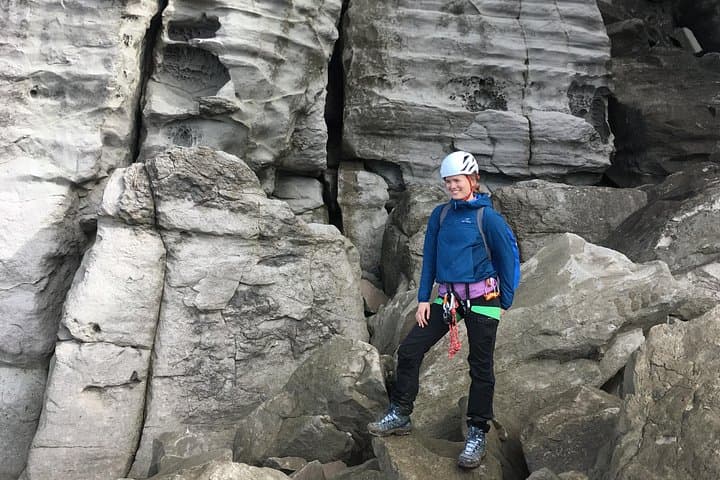
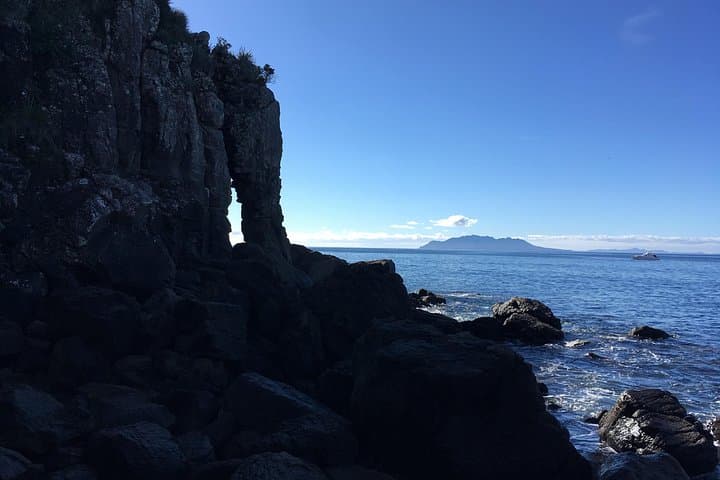
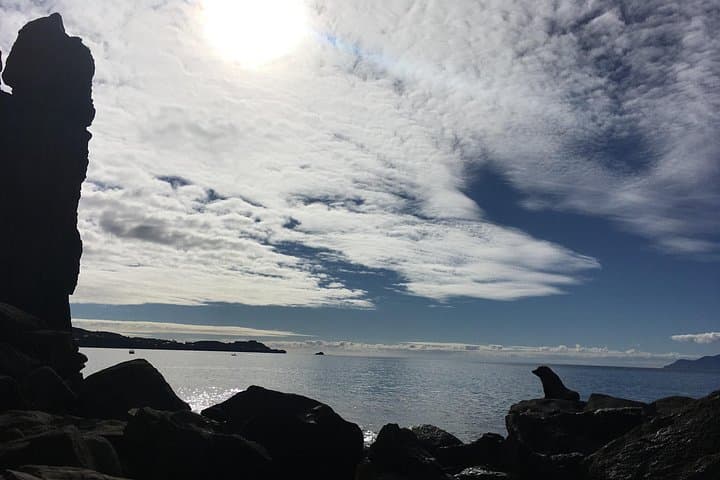
The day begins on a wind-swept headland where the ocean presses its blue edge against layered sandstone and scrub. Guides brief the group beside low pohutukawa, then the party slips onto a short coastal track that opens onto vertical faces dropping to the Hauraki Gulf. Salt-scented air and the sound of gulls set a brisk rhythm as climbers clip in and move upward.
The day begins on a wind-swept headland where the ocean presses its blue edge against layered sandstone and scrub. Guides brief the group beside low pohutukawa, then the party slips onto a short coastal track that opens onto vertical faces dropping to the Hauraki Gulf. Salt-scented air and the sound of gulls set a brisk rhythm as climbers clip in and move upward.
Ti Point’s cliffs are carved from Waitemata sandstones and older sedimentary beds; the rock offers pockets, edges and occasional flakes that reward good footwork more than brute force. The peninsula has a simple coastal history — fishing and small-scale quarrying — and nearby Māori pā sites speak to a long relationship between people and sea. Guides often point out local place names and coastal ecology as part of the experience.
Expect a full day of varied single-pitch routes (typically 10–25 m) with approach walks of 5–30 minutes and modest elevation changes of roughly 30–70 meters per sector. Routes suit beginners through experienced climbers: novices learn knots, belay systems and movement technique, while stronger climbers tackle steeper lines.
Practical notes: the operator provides ropes, helmets and harnesses; bring approach shoes, layered clothing for coastal gusts, sun protection and 1.5–2 L of water. Be tide- and weather-aware — climbing can be canceled in rough seas or driving rain. Photography is encouraged but keep movements deliberate on ledges. With sensible preparation, Ti Point delivers clean rock, sweeping sea views and a rewarding day of guided climbing on Auckland’s northern coastline.