THE ADVENTURE COLLECTIVE® · Independent discovery and booking for outdoor travel

A paced three‑day coastal pilgrimage that links Dwarka’s Krishna shrines, Somnath’s jyotirlinga, and Diu’s Portuguese fort. Expect temple rituals, tidal caves and long, scenic drives along Saurashtra’s shoreline.
A paced three‑day coastal pilgrimage that links Dwarka’s Krishna shrines, Somnath’s jyotirlinga, and Diu’s Portuguese fort. Expect temple rituals, tidal caves and long, scenic drives along Saurashtra’s shoreline.
You step off an overnight coach into salt‑bright air as dawn spreads along the Saurashtra coast. The Sudarshan Setu bridge lifts you toward Beyt Dwarka, where temple bells and gull cries compete with the surf. Over three days the route threads ancient stone, wind‑scarred shoreline and compact colonial forts: a journey that alternates slow temple rituals with brisk seaside views.
Verified experiences and guided adventures in the surrounding area.
Operated by Deja-vu tours treks and travel · Dwarka, Gujarat
You step off an overnight coach into salt‑bright air as dawn spreads along the Saurashtra coast. The Sudarshan Setu bridge lifts you toward Beyt Dwarka, where temple bells and gull cries compete with the surf. Over three days the route threads ancient stone, wind‑scarred shoreline and compact colonial forts: a journey that alternates slow temple rituals with brisk seaside views.
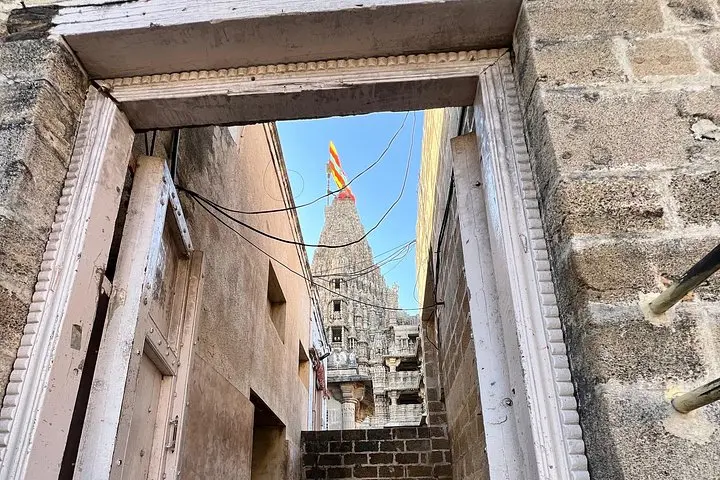
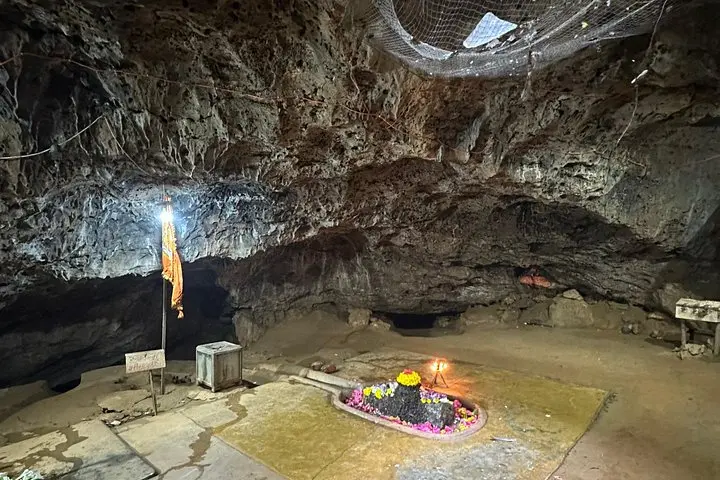
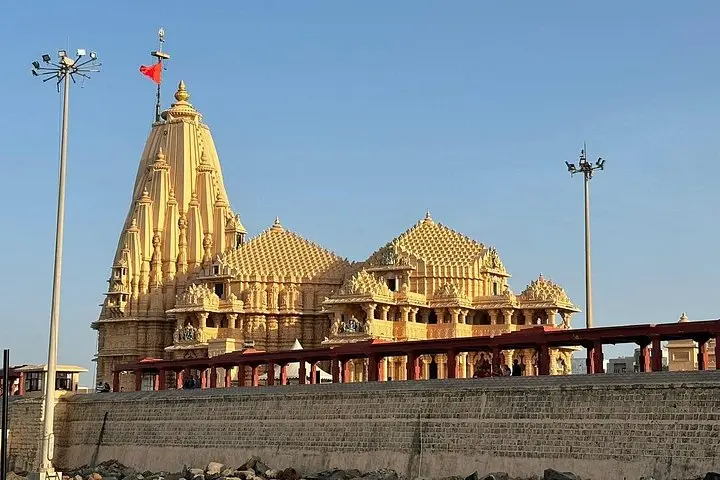
Dwarkadhish and Somnath sit at opposite ends of a long coastal story. Dwarka’s temple traces local Krishna traditions and medieval rebuilds; Somnath is one of Shiva’s twelve jyotirlingas and a site repeatedly rebuilt after historical raids. Diu’s Portuguese fort is volcanic rock turned rampart, while the Jambuvan Cave and Gangeshwar Mahadev reflect older folk memory carved into coastal limestone and tidal platforms.
Expect a blend of short walks, stair climbs and coastal drives—some temple approaches demand modest clothing and steady footing on steps that can be slippery from sea spray. Tidal timing matters: low tide reveals cave temples and submerged lingas; high tide transforms stairways into temporary sea paths. The itinerary generally includes hotel stays (3‑star), air‑conditioned transport and most meals, making logistics straightforward for travelers who prefer guided movement across long distances.
Practical essentials: pack sun protection, closed walking shoes for temples and rocky shorelines, and a reusable water bottle; carry cash for small donations and local snacks. Respect temple etiquette—head coverings, quiet, and shoes left outside—and build some flexibility into your day for sunset light, prayer timings and the occasional congested pilgrimage site.
Most temples here allow on‑site entry; some features like guided fort access in Diu may have modest fees. Your operator will handle included admissions.
The tour involves stair climbs and short uneven approaches—not recommended for travelers with significant mobility limitations; discuss needs with the operator in advance.
Typical itineraries include breakfasts, two lunches and two dinners as noted; local snacks and extra meals are usually at your expense.
October to March offers cooler temperatures and calmer seas; monsoon (July–September) brings heavy rains and rough coastal conditions.
Deja-vu tours treks and travel operates guided outdoor trips and adventures with an emphasis on safety, stewardship, and memorable experiences.
You step off an overnight coach into salt‑bright air as dawn spreads along the Saurashtra coast. The Sudarshan Setu bridge lifts you toward Beyt Dwarka, where temple bells and gull cries compete with the surf. Over three days the route threads ancient stone, wind‑scarred shoreline and compact colonial forts: a journey that alternates slow temple rituals with brisk seaside views.
You step off an overnight coach into salt‑bright air as dawn spreads along the Saurashtra coast. The Sudarshan Setu bridge lifts you toward Beyt Dwarka, where temple bells and gull cries compete with the surf. Over three days the route threads ancient stone, wind‑scarred shoreline and compact colonial forts: a journey that alternates slow temple rituals with brisk seaside views.
Dwarkadhish and Somnath sit at opposite ends of a long coastal story. Dwarka’s temple traces local Krishna traditions and medieval rebuilds; Somnath is one of Shiva’s twelve jyotirlingas and a site repeatedly rebuilt after historical raids. Diu’s Portuguese fort is volcanic rock turned rampart, while the Jambuvan Cave and Gangeshwar Mahadev reflect older folk memory carved into coastal limestone and tidal platforms.
Expect a blend of short walks, stair climbs and coastal drives—some temple approaches demand modest clothing and steady footing on steps that can be slippery from sea spray. Tidal timing matters: low tide reveals cave temples and submerged lingas; high tide transforms stairways into temporary sea paths. The itinerary generally includes hotel stays (3‑star), air‑conditioned transport and most meals, making logistics straightforward for travelers who prefer guided movement across long distances.
Practical essentials: pack sun protection, closed walking shoes for temples and rocky shorelines, and a reusable water bottle; carry cash for small donations and local snacks. Respect temple etiquette—head coverings, quiet, and shoes left outside—and build some flexibility into your day for sunset light, prayer timings and the occasional congested pilgrimage site.