THE ADVENTURE COLLECTIVE® · Independent discovery and booking for outdoor travel

Ride the iconic coastal train from Colombo to Galle, explore a living Dutch fort, visit Ambalangoda’s mask workshops and support turtle conservation in Kosgoda on this compact 2-day tour.
Ride the iconic coastal train from Colombo to Galle, explore a living Dutch fort, visit Ambalangoda’s mask workshops and support turtle conservation in Kosgoda on this compact 2-day tour.
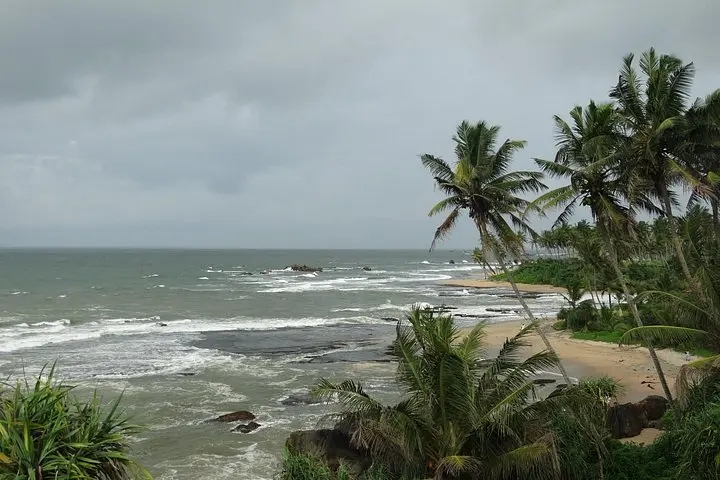
The train whistles out of Colombo Fort and the city folds away into a coastline of palms and low dunes. Windows frame fishermen hauling nets, children waving from platforms and the sea flashing blue to your right — by the time you step into Galle the pace has slowed and the town’s stone walls feel lived-in rather than staged.
Verified experiences and guided adventures in the surrounding area.
Operated by Sita, India · Galle, Southern Province
The train whistles out of Colombo Fort and the city folds away into a coastline of palms and low dunes. Windows frame fishermen hauling nets, children waving from platforms and the sea flashing blue to your right — by the time you step into Galle the pace has slowed and the town’s stone walls feel lived-in rather than staged.
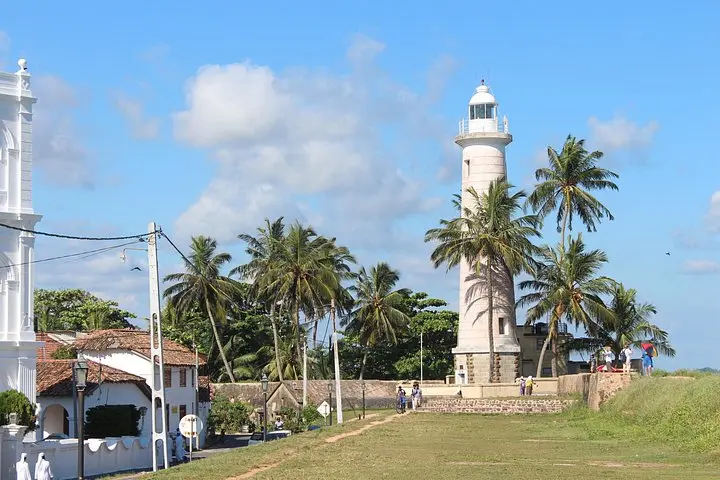
Galle Fort dates to the 17th century, built and expanded under Portuguese, Dutch and British influence; its ramparts sit on ancient coastal limestone and coral outcrops worn smooth by centuries of monsoon seas. The second-day route threads small coastal towns: Ambalangoda’s mask-makers carve ritual faces from jackfruit wood while Kosgoda’s turtle hatchery offers a close look at conservation in practice, where hatchlings are measured and released when ready. Local culture here pivots on fishing, cinnamon cultivation and craft traditions that remain visible in market lanes and alleys.
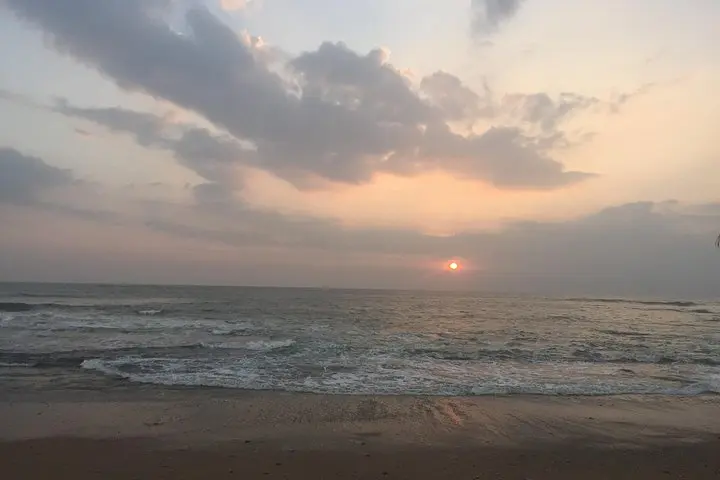
Practical guidance: trains run frequent coastal services but second-class seating is general admission — book early for reserved space and pick a window seat on the seaward side. Expect walking over uneven fort pavements and short transfers by private car; comfortable shoes and sun protection are essential. Morning departures avoid afternoon rain during the southwest monsoon; pack a light rain layer for sudden showers. Carry small cash for entry fees, street food and artisans. A reusable water bottle, mosquito repellent and a charged phone with offline maps will keep the logistics easy and leave room for the best parts of this trip — the slow coastal transit, the market smells of cinnamon and fish, and the quiet dusk release of turtles into the ocean.
The itinerary includes a second-class train ride; seats are subject to availability so early boarding is advisable.
The operator lists wheelchair-accessible options, but some historic sites have uneven surfaces; confirm needs at booking.
Yes — one night’s stay in Galle (standard room, half-board) is included as noted in the itinerary.
The Kosgoda hatchery provides close viewing of juvenile turtles and explains conservation practices; touching depends on hatchery rules and biosecurity.
Sita, India operates guided outdoor trips and adventures with an emphasis on safety, stewardship, and memorable experiences.
The train whistles out of Colombo Fort and the city folds away into a coastline of palms and low dunes. Windows frame fishermen hauling nets, children waving from platforms and the sea flashing blue to your right — by the time you step into Galle the pace has slowed and the town’s stone walls feel lived-in rather than staged.
The train whistles out of Colombo Fort and the city folds away into a coastline of palms and low dunes. Windows frame fishermen hauling nets, children waving from platforms and the sea flashing blue to your right — by the time you step into Galle the pace has slowed and the town’s stone walls feel lived-in rather than staged.
Galle Fort dates to the 17th century, built and expanded under Portuguese, Dutch and British influence; its ramparts sit on ancient coastal limestone and coral outcrops worn smooth by centuries of monsoon seas. The second-day route threads small coastal towns: Ambalangoda’s mask-makers carve ritual faces from jackfruit wood while Kosgoda’s turtle hatchery offers a close look at conservation in practice, where hatchlings are measured and released when ready. Local culture here pivots on fishing, cinnamon cultivation and craft traditions that remain visible in market lanes and alleys.
Practical guidance: trains run frequent coastal services but second-class seating is general admission — book early for reserved space and pick a window seat on the seaward side. Expect walking over uneven fort pavements and short transfers by private car; comfortable shoes and sun protection are essential. Morning departures avoid afternoon rain during the southwest monsoon; pack a light rain layer for sudden showers. Carry small cash for entry fees, street food and artisans. A reusable water bottle, mosquito repellent and a charged phone with offline maps will keep the logistics easy and leave room for the best parts of this trip — the slow coastal transit, the market smells of cinnamon and fish, and the quiet dusk release of turtles into the ocean.