THE ADVENTURE COLLECTIVE® · Independent discovery and booking for outdoor travel

Perched where limestone meets the Mediterranean, the Via Ferrata at Cala del Molí offers exposed rungs, a high suspension bridge and coastal views near Sant Feliu de Guíxols. Small guided groups and supplied safety gear make this a technical coastal climb for those comfortable with heights.
Perched where limestone meets the Mediterranean, the Via Ferrata at Cala del Molí offers exposed rungs, a high suspension bridge and coastal views near Sant Feliu de Guíxols. Small guided groups and supplied safety gear make this a technical coastal climb for those comfortable with heights.
A salt-scented wind pulls at the web of steel and rope as climbers clip into the first rung above crystalline water. The Via Ferrata at Cala del Molí runs directly on the coastal rock band outside Sant Feliu de Guíxols, where limestone cliffs drop into the Mediterranean and the sea keeps time against exposed steps and horizontal Nepali bridges.
Verified experiences and guided adventures in the surrounding area.
Operated by Pyrenees Extrem Guías de montaña · Sant Feliu de Guíxols, Girona
A salt-scented wind pulls at the web of steel and rope as climbers clip into the first rung above crystalline water. The Via Ferrata at Cala del Molí runs directly on the coastal rock band outside Sant Feliu de Guíxols, where limestone cliffs drop into the Mediterranean and the sea keeps time against exposed steps and horizontal Nepali bridges.
The corridor of rock here is part of the Catalan Coastal Range: folded, marine-deposited limestone cut by waves and weather. For centuries fishermen and smugglers used hidden coves below these cliffs; today the route repurposes those ancient pathways into a controlled, vertical shoreline experience that still feels elemental and immediate.
Expect a route of mixed vertical and horizontal terrain: fixed steel rungs, short traverses, a high suspension bridge, and sections directly above the surf. The full outing runs about 3–4 hours door-to-door with frequent exposed pitches—elevation varies along cliff faces rather than a single sustained gain, and sections require steady footing on wet or limestone holds.
Practical guidance: arrive with a packed water bottle, closed-toe shoes with sticky rubber, and layered windproof clothing; the sea spray can chill quickly. Guides run small groups (max 4 per guide) and supply helmets, harnesses, and via ferrata lanyards. This is not a beginner scramble: participants should be comfortable with heights, basic clipping techniques, and a moderate level of fitness. Morning slots often mean calmer seas and clearer light for views toward the Med; late-afternoon light softens the limestone but can bring gusts. Respect the anchors, listen to your guide, and leave no gear on ledges—the cliff is both playground and fragile coastline.
No formal climbing background is required, but participants should be comfortable with exposure and know basic clipping mechanics; guides give instruction before starting.
Age policies vary by operator, but small-group guides generally require adolescents to be mature enough to follow safety directions—confirm during booking.
Operators cancel or reschedule in high winds or rough seas; the cancellation policy typically allows refunds if cancelled at least 24 hours ahead.
Yes—helmets, harnesses, and via ferrata lanyards are included; bring your own shoes and clothing suited to coastal conditions.
Pyrenees Extrem Guías de montaña operates guided outdoor trips and adventures with an emphasis on safety, stewardship, and memorable experiences.
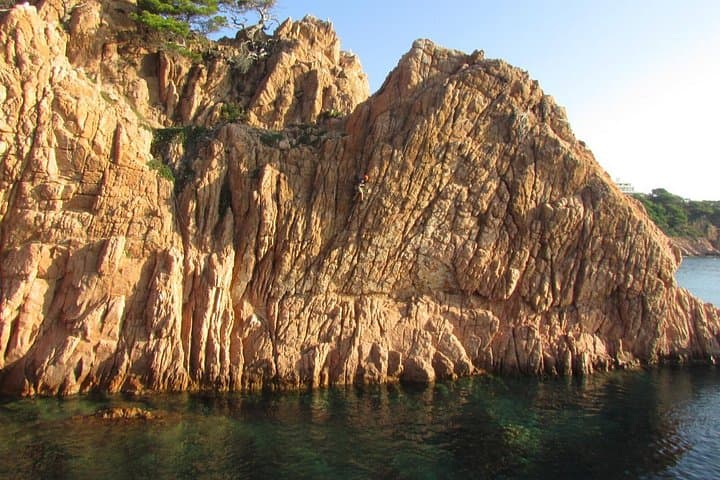


A salt-scented wind pulls at the web of steel and rope as climbers clip into the first rung above crystalline water. The Via Ferrata at Cala del Molí runs directly on the coastal rock band outside Sant Feliu de Guíxols, where limestone cliffs drop into the Mediterranean and the sea keeps time against exposed steps and horizontal Nepali bridges.
A salt-scented wind pulls at the web of steel and rope as climbers clip into the first rung above crystalline water. The Via Ferrata at Cala del Molí runs directly on the coastal rock band outside Sant Feliu de Guíxols, where limestone cliffs drop into the Mediterranean and the sea keeps time against exposed steps and horizontal Nepali bridges.
The corridor of rock here is part of the Catalan Coastal Range: folded, marine-deposited limestone cut by waves and weather. For centuries fishermen and smugglers used hidden coves below these cliffs; today the route repurposes those ancient pathways into a controlled, vertical shoreline experience that still feels elemental and immediate.
Expect a route of mixed vertical and horizontal terrain: fixed steel rungs, short traverses, a high suspension bridge, and sections directly above the surf. The full outing runs about 3–4 hours door-to-door with frequent exposed pitches—elevation varies along cliff faces rather than a single sustained gain, and sections require steady footing on wet or limestone holds.
Practical guidance: arrive with a packed water bottle, closed-toe shoes with sticky rubber, and layered windproof clothing; the sea spray can chill quickly. Guides run small groups (max 4 per guide) and supply helmets, harnesses, and via ferrata lanyards. This is not a beginner scramble: participants should be comfortable with heights, basic clipping techniques, and a moderate level of fitness. Morning slots often mean calmer seas and clearer light for views toward the Med; late-afternoon light softens the limestone but can bring gusts. Respect the anchors, listen to your guide, and leave no gear on ledges—the cliff is both playground and fragile coastline.