THE ADVENTURE COLLECTIVE® · Independent discovery and booking for outdoor travel

Walk from the city to the sea on a historic tram and a scenic 11 km stretch of the Via Napoleonica, ending at Miramare Castle with ferry return and drone photos. Options include shorter city tours, local-hidden-gem walks, and themed coffee or wine experiences.
Walk from the city to the sea on a historic tram and a scenic 11 km stretch of the Via Napoleonica, ending at Miramare Castle with ferry return and drone photos. Options include shorter city tours, local-hidden-gem walks, and themed coffee or wine experiences.
You begin at Piazza Dalmazia where the tram whistles and the Adriatic fills the air with a cool, saline breath.
Verified experiences and guided adventures in the surrounding area.
Operated by Matteo · Trieste, Friuli Venezia Giulia
You begin at Piazza Dalmazia where the tram whistles and the Adriatic fills the air with a cool, saline breath.
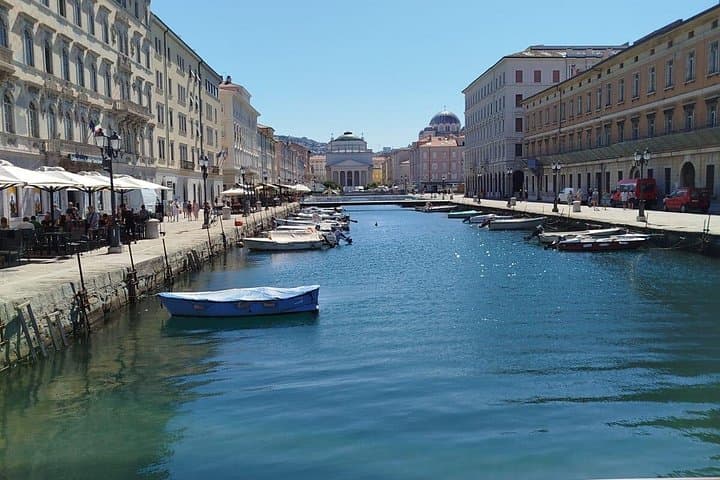
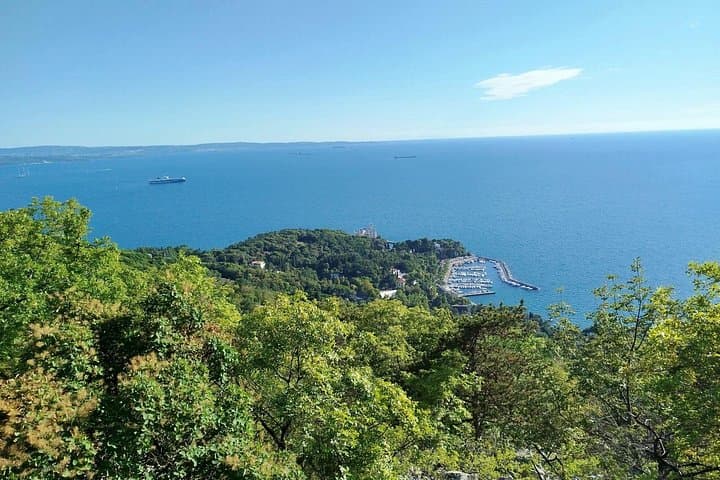
A red-hatted guide leads you onto the historic Opicina tram; the city recedes as limestone cliffs of the Karst edge closer. The route follows the Via Napoleonica for roughly 11 km, a coastal ribbon that threads through the village of Prosecco, past scrubby karst slopes, and opens onto broad views of the Gulf of Trieste before Miramare Castle’s white façade appears against the sea.
Trieste carries layers of history — a late-Habsburg port city, a crossroads of Slavic, Italian and German cultures, and a long coffee-trade tradition that shaped its cafés and civic life. Geologically, the Karst is a limestone plateau where wind and erosion carve short, dramatic drops and stony terraces; expect sections of paved promenade, compact dirt, and coastal steps.
The tour alternates walking and public transport (tram and ferry included), and the itinerary may swap in a two-hour city loop or a focused local-gems option on weekends. Drone photos at panoramic stops are offered; follow the guide’s directions for safe operation.
Practical guidance: wear sturdy walking shoes, carry 1–1.5 L of water, and layer for wind off the Gulf. Plan for 2–4.5 hours depending on choice of route, and allow time for coffee or a wine stop in Trieste’s historic center. Bring a charged phone for ferry times and public-transport schedules — the walk rewards steady pace and curious eyes.
Meeting point is Piazza Dalmazia by the Opicina tram stop; the guide wears a red hat for easy identification.
Yes—tram and ferry tickets for the specified itinerary are included in the guided tour price.
The main coastal route is about 11 km (roughly 4–4.5 hours including stops); a shorter 2-hour city option covers main attractions in the historic center.
Drone photos are offered at panoramic stops when permitted—operators follow local regulations and the guide’s instructions to protect people and wildlife.
Matteo operates guided outdoor trips and adventures with an emphasis on safety, stewardship, and memorable experiences.


You begin at Piazza Dalmazia where the tram whistles and the Adriatic fills the air with a cool, saline breath.
You begin at Piazza Dalmazia where the tram whistles and the Adriatic fills the air with a cool, saline breath.
A red-hatted guide leads you onto the historic Opicina tram; the city recedes as limestone cliffs of the Karst edge closer. The route follows the Via Napoleonica for roughly 11 km, a coastal ribbon that threads through the village of Prosecco, past scrubby karst slopes, and opens onto broad views of the Gulf of Trieste before Miramare Castle’s white façade appears against the sea.
Trieste carries layers of history — a late-Habsburg port city, a crossroads of Slavic, Italian and German cultures, and a long coffee-trade tradition that shaped its cafés and civic life. Geologically, the Karst is a limestone plateau where wind and erosion carve short, dramatic drops and stony terraces; expect sections of paved promenade, compact dirt, and coastal steps.
The tour alternates walking and public transport (tram and ferry included), and the itinerary may swap in a two-hour city loop or a focused local-gems option on weekends. Drone photos at panoramic stops are offered; follow the guide’s directions for safe operation.
Practical guidance: wear sturdy walking shoes, carry 1–1.5 L of water, and layer for wind off the Gulf. Plan for 2–4.5 hours depending on choice of route, and allow time for coffee or a wine stop in Trieste’s historic center. Bring a charged phone for ferry times and public-transport schedules — the walk rewards steady pace and curious eyes.