THE ADVENTURE COLLECTIVE® · Independent discovery and booking for outdoor travel

A six-night, student-focused circuit through Albania that pairs short coastal hikes with hilltop castles, historic bazaars and Byzantine art. Expect manageable walks, rich history and practical logistics aimed at group travelers.
A six-night, student-focused circuit through Albania that pairs short coastal hikes with hilltop castles, historic bazaars and Byzantine art. Expect manageable walks, rich history and practical logistics aimed at group travelers.
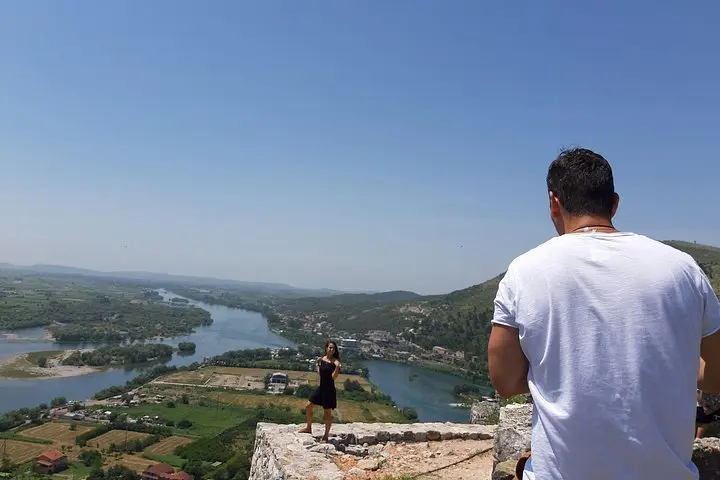
The wind off the Adriatic pushes inland as you step from the minivan onto the stony path toward Cape of Rodon—salt on your lips, gulls circling the low cliffs, and a ruined tower standing like an old watchman. Over six nights this student-focused package threads coastal hikes, hilltop fortresses and cobbled bazaars into a compact survey of Albania’s layered past.
Verified experiences and guided adventures in the surrounding area.
Operated by ADRIATIK TOURS LLC · Tirana, Tirana County
The wind off the Adriatic pushes inland as you step from the minivan onto the stony path toward Cape of Rodon—salt on your lips, gulls circling the low cliffs, and a ruined tower standing like an old watchman. Over six nights this student-focused package threads coastal hikes, hilltop fortresses and cobbled bazaars into a compact survey of Albania’s layered past.
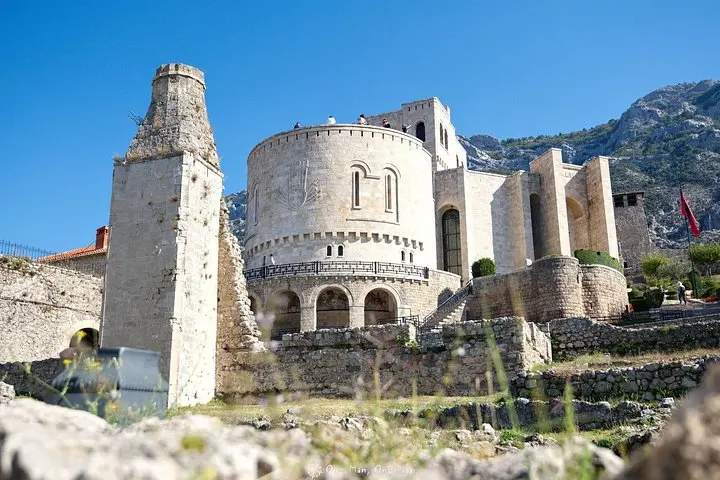
On the first day a two-hour hike to Rodoni Castle traces a short coastal ridge where limestone meets shingle; the castle Scanderbeg rebuilt in 1451–52 controlled these approaches to the Adriatic. Inland, Kruja’s medieval citadel and the Skanderbeg Museum frame Albania’s 15th-century resistance, while the Old Bazaar still hums with leather and woodcraft trades that date back centuries.
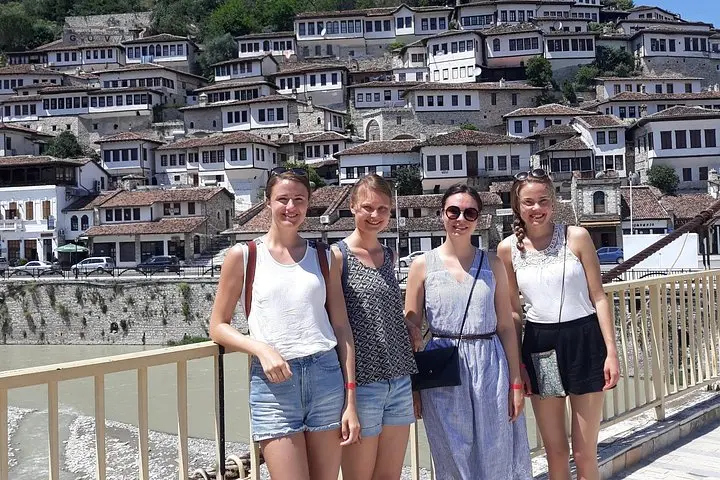
Berat offers a different geology and history: a fortress with continuous habitation since antiquity, Byzantine churches and the Onufri Museum’s vivid icons carved in the 18th century. The route ends on the Vlora coast and the Zvernec islet monastery, where pine-scented marshes and open sea meet.
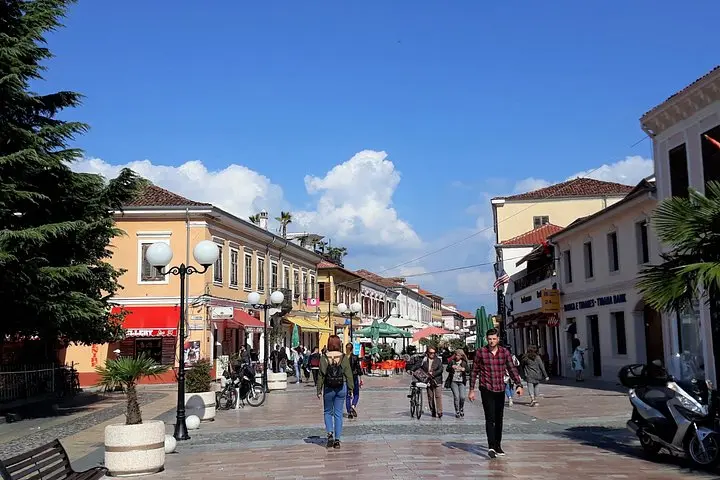
Practical guidance: expect mostly easy to moderate walking on mixed terrain—paved streets, stone steps and short coastal tracks. Bring sturdy shoes with good grip, a daypack, sun protection, and a refillable water bottle; mornings are the best time for hikes to avoid afternoon heat. Reserve time for cobblestone streets and museum queues; entrance to key sites is typically included. The tour pairs cultural depth with short active sections, ideal for travelers with moderate fitness who want a hands-on introduction to Albania’s natural and historical highlights.
The tour operates from the Adriatik Hotel as its base; most days begin and end there with transfers to sites included.
Yes—walking segments are short and primarily on established paths; a basic level of fitness is recommended.
Most listed admissions—such as Kruja Castle and the Onufri Museum—are included as noted in the itinerary details.
Local tour guides typically speak English; check with the operator for specific language requests or student-group arrangements.
ADRIATIK TOURS LLC operates guided outdoor trips and adventures with an emphasis on safety, stewardship, and memorable experiences.
The wind off the Adriatic pushes inland as you step from the minivan onto the stony path toward Cape of Rodon—salt on your lips, gulls circling the low cliffs, and a ruined tower standing like an old watchman. Over six nights this student-focused package threads coastal hikes, hilltop fortresses and cobbled bazaars into a compact survey of Albania’s layered past.
The wind off the Adriatic pushes inland as you step from the minivan onto the stony path toward Cape of Rodon—salt on your lips, gulls circling the low cliffs, and a ruined tower standing like an old watchman. Over six nights this student-focused package threads coastal hikes, hilltop fortresses and cobbled bazaars into a compact survey of Albania’s layered past.
On the first day a two-hour hike to Rodoni Castle traces a short coastal ridge where limestone meets shingle; the castle Scanderbeg rebuilt in 1451–52 controlled these approaches to the Adriatic. Inland, Kruja’s medieval citadel and the Skanderbeg Museum frame Albania’s 15th-century resistance, while the Old Bazaar still hums with leather and woodcraft trades that date back centuries.
Berat offers a different geology and history: a fortress with continuous habitation since antiquity, Byzantine churches and the Onufri Museum’s vivid icons carved in the 18th century. The route ends on the Vlora coast and the Zvernec islet monastery, where pine-scented marshes and open sea meet.
Practical guidance: expect mostly easy to moderate walking on mixed terrain—paved streets, stone steps and short coastal tracks. Bring sturdy shoes with good grip, a daypack, sun protection, and a refillable water bottle; mornings are the best time for hikes to avoid afternoon heat. Reserve time for cobblestone streets and museum queues; entrance to key sites is typically included. The tour pairs cultural depth with short active sections, ideal for travelers with moderate fitness who want a hands-on introduction to Albania’s natural and historical highlights.