THE ADVENTURE COLLECTIVE® · Independent discovery and booking for outdoor travel

Climb the tallest pyramid in the Yucatán, roar across jungle trails on an ATV, fly over the canopy, and plunge into two mystical cenotes—all in one sunset-to-night excursion from Tulum. This tour blends certified archaeology, living Maya traditions, and adrenaline for a full-day immersion.
Climb the tallest pyramid in the Yucatán, roar across jungle trails on an ATV, fly over the canopy, and plunge into two mystical cenotes—all in one sunset-to-night excursion from Tulum. This tour blends certified archaeology, living Maya traditions, and adrenaline for a full-day immersion.
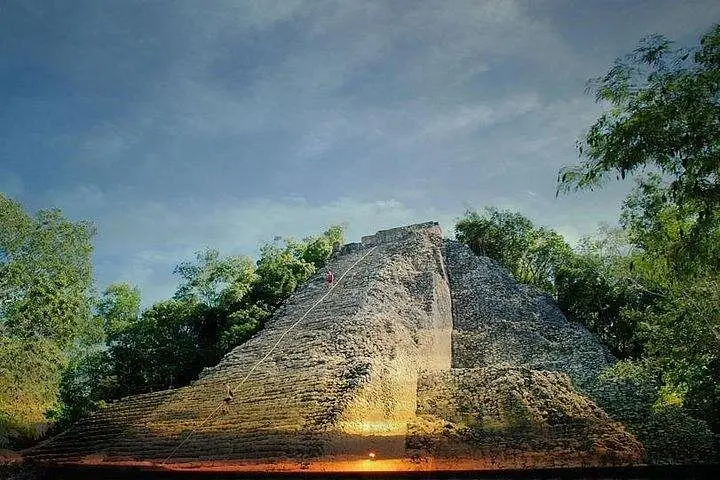
The first thing you notice is the light—thick and low over the limestone plain—when the van eases off the highway and the jungle begins to crowd the windows. Bamboo and ceiba trunks blur past, dragonflies skitter across yellow fields, and the air carries a damp, mineral tang from the sinkholes below. At Cobá the trees open onto stone: rows of ancient sacbeob (white roads) leading to a pyramid that still insists on being climbed.
Verified experiences and guided adventures in the surrounding area.
Operated by Mexitur · Coba, Quintana Roo
The first thing you notice is the light—thick and low over the limestone plain—when the van eases off the highway and the jungle begins to crowd the windows. Bamboo and ceiba trunks blur past, dragonflies skitter across yellow fields, and the air carries a damp, mineral tang from the sinkholes below. At Cobá the trees open onto stone: rows of ancient sacbeob (white roads) leading to a pyramid that still insists on being climbed.
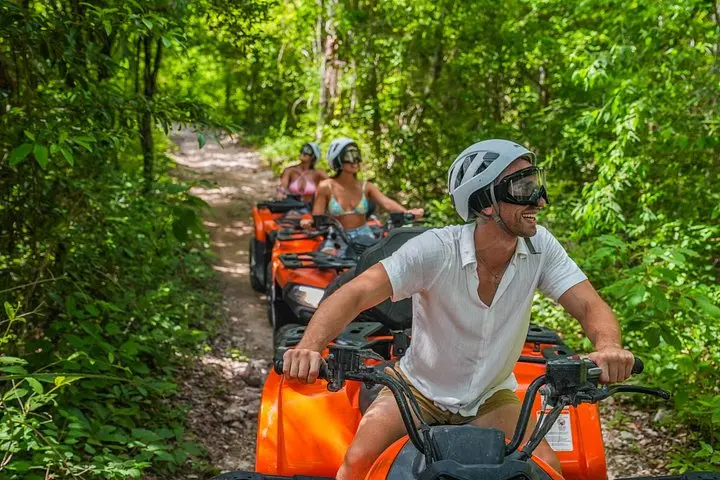
You spend the afternoon moving between two tempos. One is slow and deliberate: guided walks across an archaeological zone where the steps are steep, the stones warm from late sun, and your INAH-certified guide traces the arc of Maya life—trade routes, water management, and the long reach of the Nohoch Mul pyramid, the tallest in the Yucatán. The other tempo is kinetic: ATVs tearing across red earth, a zip-line that sends you sprinting through canopy, and the sudden, cold clarity of two cenotes—one cavernous with stalactites draping like chandeliers, the other an open well where water mirrors the sky.
Geologically, the Yucatán is an upside-down ocean of porous limestone, and the cenotes are where the subterranean rivers dare to surface. Coba sits amid this karst network, a place where Maya ingenuity met fragile hydrology—sacbeob connecting settlements and cenotes functioning as both resource and ritual stage.
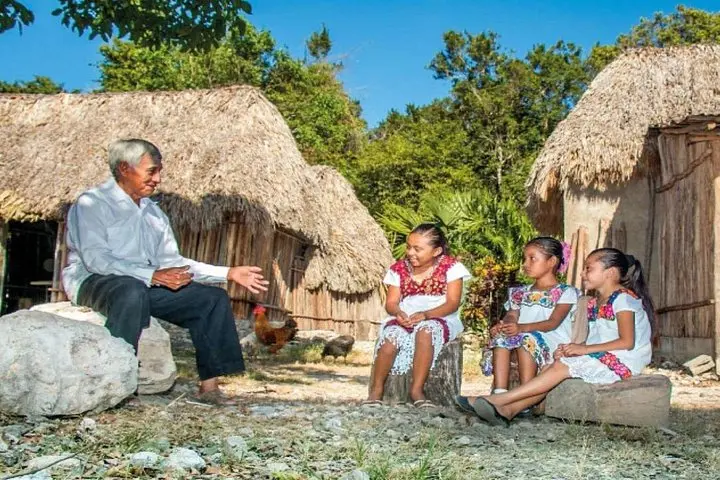
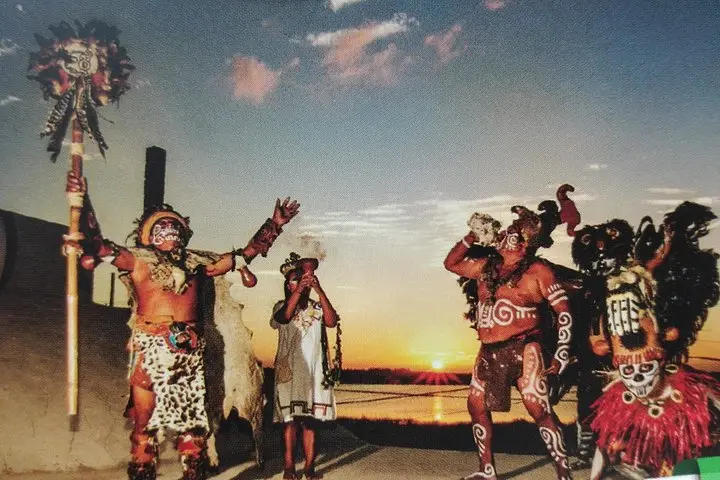
Cultural threads are ever-present: a melipona bee station where small, stingless bees are tended using traditional methods; a pottery workshop where local artisans show how communal patterns and clay recipes persist. Dinner is a buffet of regional dishes—fresh tortillas, cochinita simmered with achiote, and seasonal salsas—served as the light softens into sunset.
Practical guidance: expect a full-day outing (8–10 hours). Wear grippy shoes for pyramid steps and water-appropriate footwear for the cenotes. Bring a quick-dry change, a towel, and reef-safe sunscreen. The tour includes hotel transfers in the Tulum–Playa corridor; confirm pickup details the day before and be in your lobby 10 minutes early.
Safety and comfort are straightforward: certified guides lead the archaeological visit; ATVs and zip lines come with helmets and briefings, but common sense is required—hold the handlebars, keep knees tucked, and follow staff instructions. For the cenotes, basic swimming ability is recommended; life jackets are typically provided.
For photographers, the golden hour from the top of Nohoch Mul and the rim of the open cenote is unbeatable. For quieter moments, linger at the melipona station or the pottery area—close-ups of hands and texture often make the best frames.
This tour pairs cultural depth with adrenaline. It’s not a gentle museum visit, nor is it raw adventure: it’s a bridge between both, designed to leave you sweaty, thoughtful, and with a clear memory of limestone, water, and the hands that still carry this landscape forward.
The experience runs about 8–10 hours and includes hotel pickup, an INAH-certified guide at Cobá, ATV and zip-line activities, access to two cenotes, a pottery workshop, melipona bee station visit, and a buffet dinner.
Yes—participants can climb Nohoch Mul; steps are steep and uneven, so take your time and wear appropriate footwear.
Operators provide helmets, safety briefings, and supervised instruction; beginners can participate but should follow guides closely and disclose any physical limitations.
Families are welcome, though some activities (ATV, zip-line) may have age or height restrictions—check with the operator when booking and note infants must sit on laps during transfers.
Bring swimwear, a towel, reef-safe sunscreen, and a waterproof bag for valuables; life jackets are usually provided for non-swimmers.
After booking, send the exact hotel name to the operator to confirm pickup time; if outside the covered zone you’ll be assigned a meeting point.
Mexitur operates guided outdoor trips and adventures with an emphasis on safety, stewardship, and memorable experiences.
The first thing you notice is the light—thick and low over the limestone plain—when the van eases off the highway and the jungle begins to crowd the windows. Bamboo and ceiba trunks blur past, dragonflies skitter across yellow fields, and the air carries a damp, mineral tang from the sinkholes below. At Cobá the trees open onto stone: rows of ancient sacbeob (white roads) leading to a pyramid that still insists on being climbed.
The first thing you notice is the light—thick and low over the limestone plain—when the van eases off the highway and the jungle begins to crowd the windows. Bamboo and ceiba trunks blur past, dragonflies skitter across yellow fields, and the air carries a damp, mineral tang from the sinkholes below. At Cobá the trees open onto stone: rows of ancient sacbeob (white roads) leading to a pyramid that still insists on being climbed.
You spend the afternoon moving between two tempos. One is slow and deliberate: guided walks across an archaeological zone where the steps are steep, the stones warm from late sun, and your INAH-certified guide traces the arc of Maya life—trade routes, water management, and the long reach of the Nohoch Mul pyramid, the tallest in the Yucatán. The other tempo is kinetic: ATVs tearing across red earth, a zip-line that sends you sprinting through canopy, and the sudden, cold clarity of two cenotes—one cavernous with stalactites draping like chandeliers, the other an open well where water mirrors the sky.
Geologically, the Yucatán is an upside-down ocean of porous limestone, and the cenotes are where the subterranean rivers dare to surface. Coba sits amid this karst network, a place where Maya ingenuity met fragile hydrology—sacbeob connecting settlements and cenotes functioning as both resource and ritual stage.
Cultural threads are ever-present: a melipona bee station where small, stingless bees are tended using traditional methods; a pottery workshop where local artisans show how communal patterns and clay recipes persist. Dinner is a buffet of regional dishes—fresh tortillas, cochinita simmered with achiote, and seasonal salsas—served as the light softens into sunset.
Practical guidance: expect a full-day outing (8–10 hours). Wear grippy shoes for pyramid steps and water-appropriate footwear for the cenotes. Bring a quick-dry change, a towel, and reef-safe sunscreen. The tour includes hotel transfers in the Tulum–Playa corridor; confirm pickup details the day before and be in your lobby 10 minutes early.
Safety and comfort are straightforward: certified guides lead the archaeological visit; ATVs and zip lines come with helmets and briefings, but common sense is required—hold the handlebars, keep knees tucked, and follow staff instructions. For the cenotes, basic swimming ability is recommended; life jackets are typically provided.
For photographers, the golden hour from the top of Nohoch Mul and the rim of the open cenote is unbeatable. For quieter moments, linger at the melipona station or the pottery area—close-ups of hands and texture often make the best frames.
This tour pairs cultural depth with adrenaline. It’s not a gentle museum visit, nor is it raw adventure: it’s a bridge between both, designed to leave you sweaty, thoughtful, and with a clear memory of limestone, water, and the hands that still carry this landscape forward.