THE ADVENTURE COLLECTIVE® · Independent discovery and booking for outdoor travel
A private, three-day transfer from Cochin to Munnar that pairs scenic driving with tea-estate visits, Eravikulam park wildlife viewing, and panoramic viewpoints—ideal for travelers who want a compact, well-paced introduction to the Western Ghats.
A private, three-day transfer from Cochin to Munnar that pairs scenic driving with tea-estate visits, Eravikulam park wildlife viewing, and panoramic viewpoints—ideal for travelers who want a compact, well-paced introduction to the Western Ghats.
The first light of a Kerala morning softens the coastline outside Cochin; by mid-morning the road has already begun to climb, trading humid palms for a cooler, green-stitched horizon. In a private air-conditioned vehicle the drive to Munnar unfurls like a slow reveal—hairpin turns, tea bushes marching in rows, and mist that fingers the bus windows until it blurs the line between road and mountain.
Verified experiences and guided adventures in the surrounding area.
Operated by Agora Voyages Pvt. Ltd. · Munnar, Kerala
The first light of a Kerala morning softens the coastline outside Cochin; by mid-morning the road has already begun to climb, trading humid palms for a cooler, green-stitched horizon. In a private air-conditioned vehicle the drive to Munnar unfurls like a slow reveal—hairpin turns, tea bushes marching in rows, and mist that fingers the bus windows until it blurs the line between road and mountain.
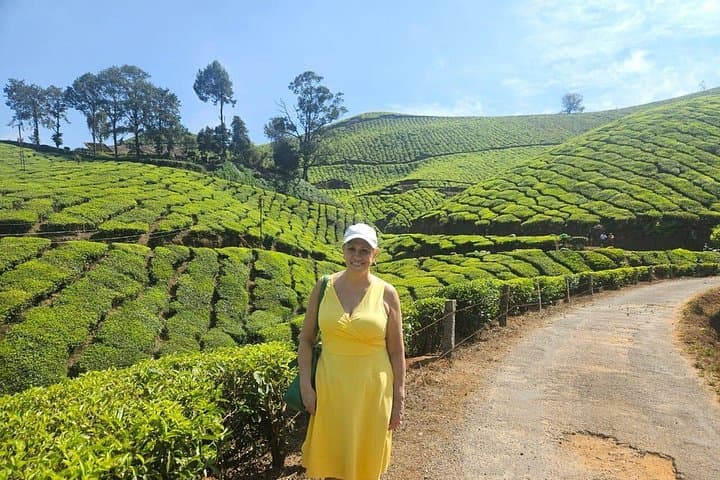
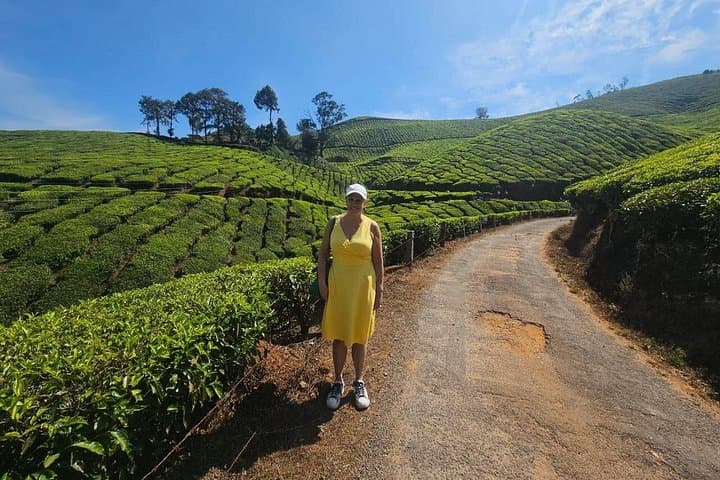
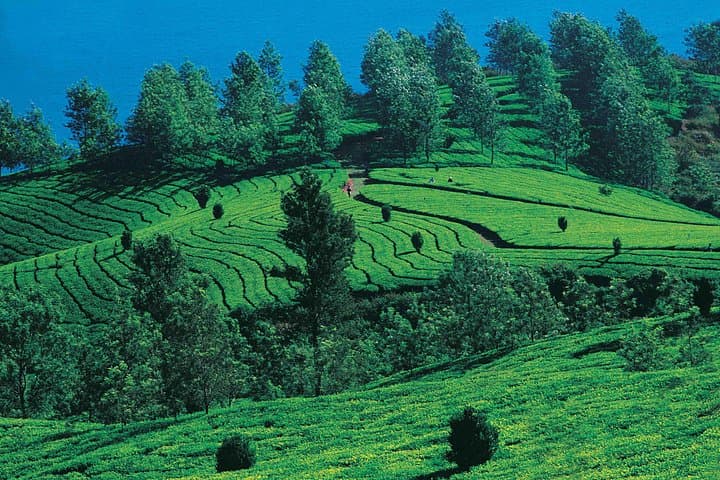
Arriving in Munnar feels less like entering a town than stepping into a living tea plantation. The region’s landscape is the result of ancient tectonics: the Western Ghats rise in folded ridges, their laterite soils and high rainfall creating perfect conditions for tea introduced during the British colonial era. British planters and later Indian firms like Tata shaped much of the economy here; the Tata Tea Museum on this itinerary traces that arc from manual plucking to modern processing.
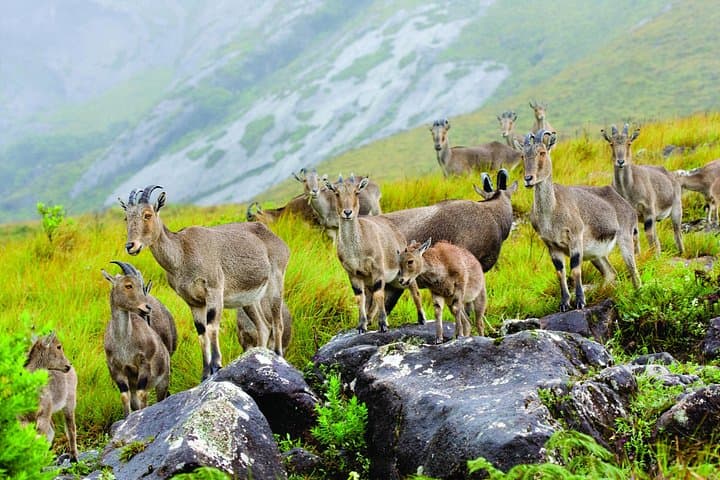
The three-day itinerary balances slow travel with key sights. Pothamedu and Top Station give sweeping panoramas—tea, coffee and cardamom estates spreading to the horizon—while Mattupetty Dam and Attukal waterfalls feel quieter, offered up as splashes of water and shade. The tour also includes Eravikulam National Park (Rajamala), a high-altitude sanctuary where the endemic Nilgiri tahr grazes the slopes; note the park closes in March–April for the tahr calving season.
Culturally the region is as layered as its slopes: small hamlets, shops selling freshly roasted cardamom, and hill-station bungalows that recall planter-era architecture. Local guides on sightseeing days add color—stories about tea families, the seasonal rhythms of harvest, and ways traditional spice gardens still feed households.
Practical side: this private transfer-and-sightseeing package runs roughly 130 km each way (about 3 hours of driving depending on traffic and stops) with two nights’ accommodation options across 3–5 star hotels. Days are best paced early—sunrise clears mist for photos and wildlife viewings. Bring layers: the temperature can drop quickly at viewpoints and rise in the valley.
Health and logistics: roads are winding; motion-sickness precautions help. Entrance fees for attractions like Eravikulam and Mattupetty are usually included as indicated, but always carry local currency for small vendor purchases. The tour’s private-car format makes it accessible for families and travelers seeking control over pace—yet those planning hikes (Chokramudi, Kolukkumalai) should budget extra time and local permits.
For travelers who want a compact taste of the Western Ghats, this route pairs cinematic vistas with the tactile pleasures of tea tasting, dam-side quiet, and the occasional fleeting glimpse of endemic wildlife—an exercise in slow regional discovery built on practical logistics and layered natural history.
The route covers about 130 km and typically takes around 3–4 hours depending on traffic and how often you stop for photos.
The itinerary indicates monument entrances and activity charges mentioned are included—confirm specific sites at booking for any changes.
Yes—pickup from Cochin hotels or the airport is available, and accommodation tiers (3–5 star) are selectable at booking.
No—Rajamala closes in March and April for the Nilgiri tahr calving season; check park status before travel.
Yes—the private vehicle and moderate pace make it suitable for families, and the tour notes stroller accessibility for infants.
Hikes like Kolukkumalai may require a local guide and entry permissions; these are not standard inclusions—arrange locally or ask your operator.
Agora Voyages Pvt. Ltd. operates guided outdoor trips and adventures with an emphasis on safety, stewardship, and memorable experiences.
The first light of a Kerala morning softens the coastline outside Cochin; by mid-morning the road has already begun to climb, trading humid palms for a cooler, green-stitched horizon. In a private air-conditioned vehicle the drive to Munnar unfurls like a slow reveal—hairpin turns, tea bushes marching in rows, and mist that fingers the bus windows until it blurs the line between road and mountain.
The first light of a Kerala morning softens the coastline outside Cochin; by mid-morning the road has already begun to climb, trading humid palms for a cooler, green-stitched horizon. In a private air-conditioned vehicle the drive to Munnar unfurls like a slow reveal—hairpin turns, tea bushes marching in rows, and mist that fingers the bus windows until it blurs the line between road and mountain.
Arriving in Munnar feels less like entering a town than stepping into a living tea plantation. The region’s landscape is the result of ancient tectonics: the Western Ghats rise in folded ridges, their laterite soils and high rainfall creating perfect conditions for tea introduced during the British colonial era. British planters and later Indian firms like Tata shaped much of the economy here; the Tata Tea Museum on this itinerary traces that arc from manual plucking to modern processing.
The three-day itinerary balances slow travel with key sights. Pothamedu and Top Station give sweeping panoramas—tea, coffee and cardamom estates spreading to the horizon—while Mattupetty Dam and Attukal waterfalls feel quieter, offered up as splashes of water and shade. The tour also includes Eravikulam National Park (Rajamala), a high-altitude sanctuary where the endemic Nilgiri tahr grazes the slopes; note the park closes in March–April for the tahr calving season.
Culturally the region is as layered as its slopes: small hamlets, shops selling freshly roasted cardamom, and hill-station bungalows that recall planter-era architecture. Local guides on sightseeing days add color—stories about tea families, the seasonal rhythms of harvest, and ways traditional spice gardens still feed households.
Practical side: this private transfer-and-sightseeing package runs roughly 130 km each way (about 3 hours of driving depending on traffic and stops) with two nights’ accommodation options across 3–5 star hotels. Days are best paced early—sunrise clears mist for photos and wildlife viewings. Bring layers: the temperature can drop quickly at viewpoints and rise in the valley.
Health and logistics: roads are winding; motion-sickness precautions help. Entrance fees for attractions like Eravikulam and Mattupetty are usually included as indicated, but always carry local currency for small vendor purchases. The tour’s private-car format makes it accessible for families and travelers seeking control over pace—yet those planning hikes (Chokramudi, Kolukkumalai) should budget extra time and local permits.
For travelers who want a compact taste of the Western Ghats, this route pairs cinematic vistas with the tactile pleasures of tea tasting, dam-side quiet, and the occasional fleeting glimpse of endemic wildlife—an exercise in slow regional discovery built on practical logistics and layered natural history.
