THE ADVENTURE COLLECTIVE® · Independent discovery and booking for outdoor travel
Walk among Colombia’s tallest wax palms on a half-day shared tour from Salento. This practical guide covers what to expect on the trail, local history, and essential tips to make the most of your visit to Cocora Valley.
Walk among Colombia’s tallest wax palms on a half-day shared tour from Salento. This practical guide covers what to expect on the trail, local history, and essential tips to make the most of your visit to Cocora Valley.
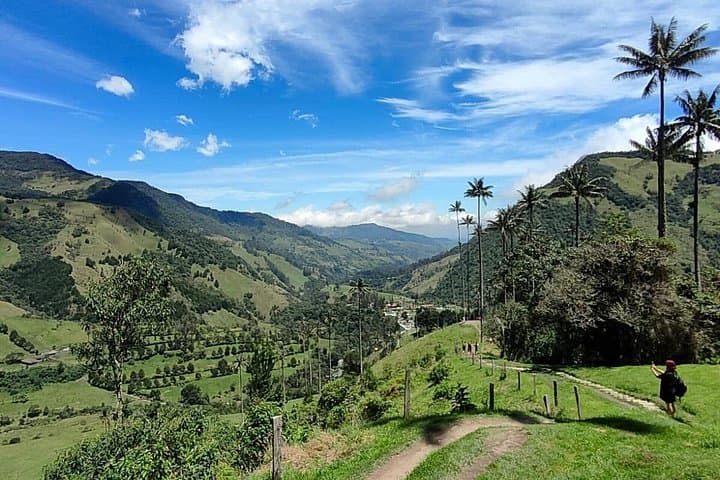
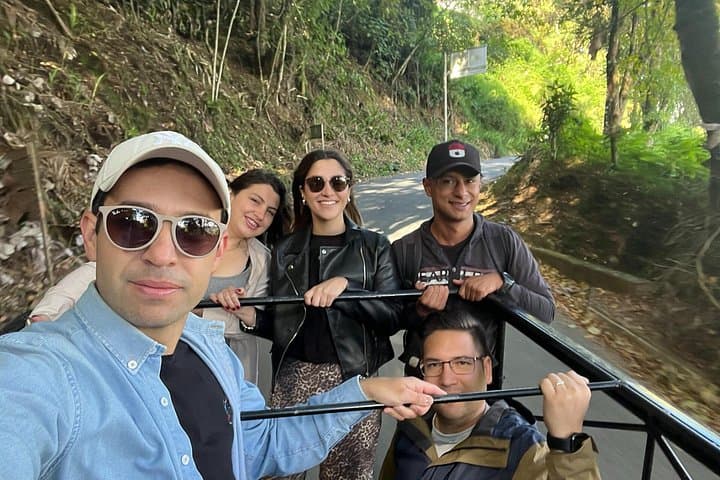
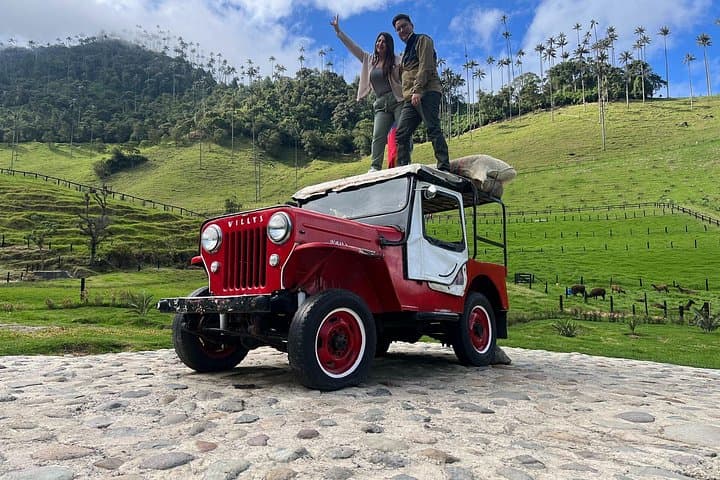
You step out of Salento’s central square and the road narrows; damp mountain air threads the shuttle windows as the foothills widen into the valley. In minutes the wax palms appear—slender columns that puncture cloud and light—guiding the trail through grasslands and moss-draped forest.
Verified experiences and guided adventures in the surrounding area.
Operated by Gran Colombia Tours · Salento, Quindío
You step out of Salento’s central square and the road narrows; damp mountain air threads the shuttle windows as the foothills widen into the valley. In minutes the wax palms appear—slender columns that puncture cloud and light—guiding the trail through grasslands and moss-draped forest.
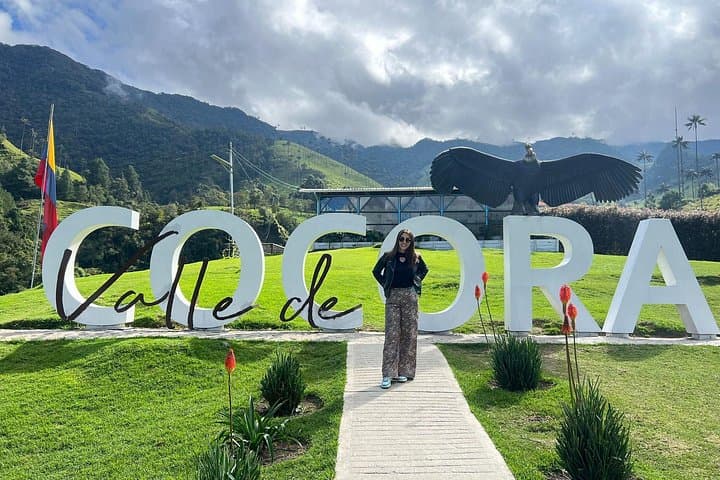
Geology here is recent Andean uplift: steep ridges, volcanic soils and high-altitude cloud forest that feed the streams cutting the valley. The Cocora Valley sits on the eastern flank of Los Nevados National Natural Park and supports Colombia’s national tree, the Quindio wax palm, which can top 60 meters. The valley also lives inside the coffee-growing culture of Salento—small farms, steep terraces and a history of mountain settlement tied to coffee and cattle.
Expect mixed terrain: pastoral meadows, muddy forest paths, and stony switchbacks if you climb higher toward viewpoints. Birdsong dominates—hummingbirds dart at feeders in the Acaime reserve while tanagers and other cloud-forest species flip through the canopy. Weather changes fast; mist can roll in by noon and sun can blaze by afternoon.
Practical guide: the shared tour lasts about four hours from Salento with roughly 6–8 km of walking and 200–400 m of elevation change depending on route. Wear grippy shoes, bring a waterproof layer, 1–2 liters of water, and cash for small local stalls. The route is suitable for most walkers but includes some slick slopes; keep to marked trails to protect fragile páramo-edge vegetation. Morning departures give the clearest light and quieter trails.
The meeting point is Salento’s central square (Parque del Café area); most operators meet near the main church and pick up from there.
Yes—many families and older walkers complete the valley route; however, sections can be muddy and include short slopes, so slower paces may be needed.
Entry to the Cocora Valley area and the Acaime reserve is typically included in guided tour fees; confirm with your operator if entry tickets are covered.
Salento and Cocora sit around 1,800–2,400 m; mild breathlessness is possible but serious altitude sickness is uncommon at these elevations—take it steady and hydrate.
Gran Colombia Tours operates guided outdoor trips and adventures with an emphasis on safety, stewardship, and memorable experiences.
You step out of Salento’s central square and the road narrows; damp mountain air threads the shuttle windows as the foothills widen into the valley. In minutes the wax palms appear—slender columns that puncture cloud and light—guiding the trail through grasslands and moss-draped forest.
You step out of Salento’s central square and the road narrows; damp mountain air threads the shuttle windows as the foothills widen into the valley. In minutes the wax palms appear—slender columns that puncture cloud and light—guiding the trail through grasslands and moss-draped forest.
Geology here is recent Andean uplift: steep ridges, volcanic soils and high-altitude cloud forest that feed the streams cutting the valley. The Cocora Valley sits on the eastern flank of Los Nevados National Natural Park and supports Colombia’s national tree, the Quindio wax palm, which can top 60 meters. The valley also lives inside the coffee-growing culture of Salento—small farms, steep terraces and a history of mountain settlement tied to coffee and cattle.
Expect mixed terrain: pastoral meadows, muddy forest paths, and stony switchbacks if you climb higher toward viewpoints. Birdsong dominates—hummingbirds dart at feeders in the Acaime reserve while tanagers and other cloud-forest species flip through the canopy. Weather changes fast; mist can roll in by noon and sun can blaze by afternoon.
Practical guide: the shared tour lasts about four hours from Salento with roughly 6–8 km of walking and 200–400 m of elevation change depending on route. Wear grippy shoes, bring a waterproof layer, 1–2 liters of water, and cash for small local stalls. The route is suitable for most walkers but includes some slick slopes; keep to marked trails to protect fragile páramo-edge vegetation. Morning departures give the clearest light and quieter trails.
