THE ADVENTURE COLLECTIVE® · Independent discovery and booking for outdoor travel

Spend a day on a working coffee finca in Cundinamarca, learning planting, harvest, and roasting techniques while tasting fresh micro-lot cups. This full-day trip from Bogotá combines hands-on demos with practical insights into Colombian coffee culture.
Spend a day on a working coffee finca in Cundinamarca, learning planting, harvest, and roasting techniques while tasting fresh micro-lot cups. This full-day trip from Bogotá combines hands-on demos with practical insights into Colombian coffee culture.
You step off the van into cool mountain air, the smell of wet earth and green coffee cherries pressing at the edges of your senses. Rows of short, glossy coffee bushes slope with the contours of the hillside; workers move between them with practiced economy, and a low ridge of cloud hangs over nearby forest.
Verified experiences and guided adventures in the surrounding area.
Operated by City Bus Colombia · Fusagasugá, Cundinamarca
You step off the van into cool mountain air, the smell of wet earth and green coffee cherries pressing at the edges of your senses. Rows of short, glossy coffee bushes slope with the contours of the hillside; workers move between them with practiced economy, and a low ridge of cloud hangs over nearby forest.
Cundinamarca's coffee country sits at 1,200–1,800 m elevation — an altitude that, combined with volcanic-influenced soils and a mild, wet climate, produces a cleaner, more delicate cup than the heavier roasts from lower Andean zones. Coffee arrived here with 19th-century settlers and grew into a local economy of small, family-run fincas and communal beneficios where drying, pulping, and roasting remain largely artisanal.
The tour moves through planting beds, harvest rows, and the on-site processing area where cherries become green beans. Guides demonstrate selective picking, wet and dry milling basics, and small-batch roasting; you cup brewed samples that highlight citrus acidity and caramel notes common to Cundinamarca micro-lots. Nearby cultural notes: you'll likely hear Spanish and regional slang, and see traditional tools alongside modern drums and mechanical pulpers.
Practical guidance: expect a full day (about 9–10 hours round trip from Bogotá), uneven farm tracks, and short periods standing during demos. Bring closed-toe shoes, sun and rain protection, and a refillable bottle; hydration and layered clothing make the day more comfortable. Photography is welcome but ask before photographing workers. If you're interested in sustainable agriculture, ask about shade-grown practices and water use during processing — small farms often welcome questions and responsible tipping for staff.
Expect about 9–10 hours total: around 2–3 hours each way depending on traffic, with roughly 2 hours on the farm for demonstrations and tasting.
Yes — roundtrip transportation from the specified meeting points in Bogotá to the farm is included as part of the tour.
The tour is listed as suitable for all fitness levels and infant seats are available; keep children supervised around processing equipment and drying patios.
Hosts typically speak Spanish and English; tours note an ESP/ENG host available for explanations and tasting notes.
City Bus Colombia operates guided outdoor trips and adventures with an emphasis on safety, stewardship, and memorable experiences.
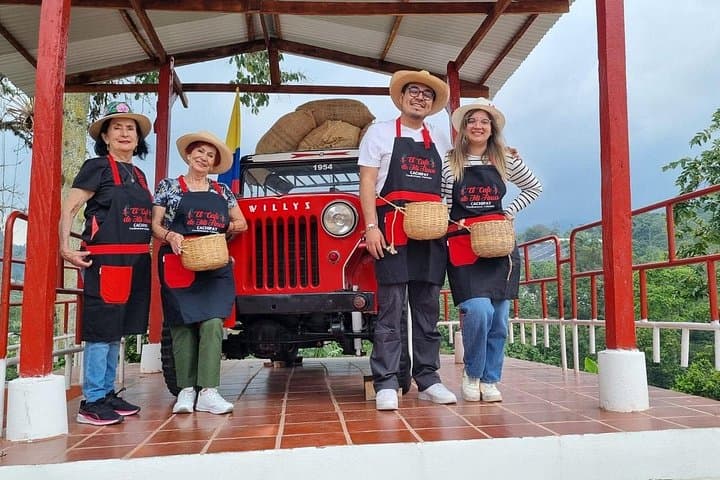


You step off the van into cool mountain air, the smell of wet earth and green coffee cherries pressing at the edges of your senses. Rows of short, glossy coffee bushes slope with the contours of the hillside; workers move between them with practiced economy, and a low ridge of cloud hangs over nearby forest.
You step off the van into cool mountain air, the smell of wet earth and green coffee cherries pressing at the edges of your senses. Rows of short, glossy coffee bushes slope with the contours of the hillside; workers move between them with practiced economy, and a low ridge of cloud hangs over nearby forest.
Cundinamarca's coffee country sits at 1,200–1,800 m elevation — an altitude that, combined with volcanic-influenced soils and a mild, wet climate, produces a cleaner, more delicate cup than the heavier roasts from lower Andean zones. Coffee arrived here with 19th-century settlers and grew into a local economy of small, family-run fincas and communal beneficios where drying, pulping, and roasting remain largely artisanal.
The tour moves through planting beds, harvest rows, and the on-site processing area where cherries become green beans. Guides demonstrate selective picking, wet and dry milling basics, and small-batch roasting; you cup brewed samples that highlight citrus acidity and caramel notes common to Cundinamarca micro-lots. Nearby cultural notes: you'll likely hear Spanish and regional slang, and see traditional tools alongside modern drums and mechanical pulpers.
Practical guidance: expect a full day (about 9–10 hours round trip from Bogotá), uneven farm tracks, and short periods standing during demos. Bring closed-toe shoes, sun and rain protection, and a refillable bottle; hydration and layered clothing make the day more comfortable. Photography is welcome but ask before photographing workers. If you're interested in sustainable agriculture, ask about shade-grown practices and water use during processing — small farms often welcome questions and responsible tipping for staff.