THE ADVENTURE COLLECTIVE® · Independent discovery and booking for outdoor travel

Walk through family-owned coffee farms in Jamaica’s Blue Mountains, learn how world-class beans are grown and processed, swim in the Would Pool and plant a tree to support reforestation. This full-day from Montego Bay blends short hikes with cultural insight and scenic overlooks.
Walk through family-owned coffee farms in Jamaica’s Blue Mountains, learn how world-class beans are grown and processed, swim in the Would Pool and plant a tree to support reforestation. This full-day from Montego Bay blends short hikes with cultural insight and scenic overlooks.
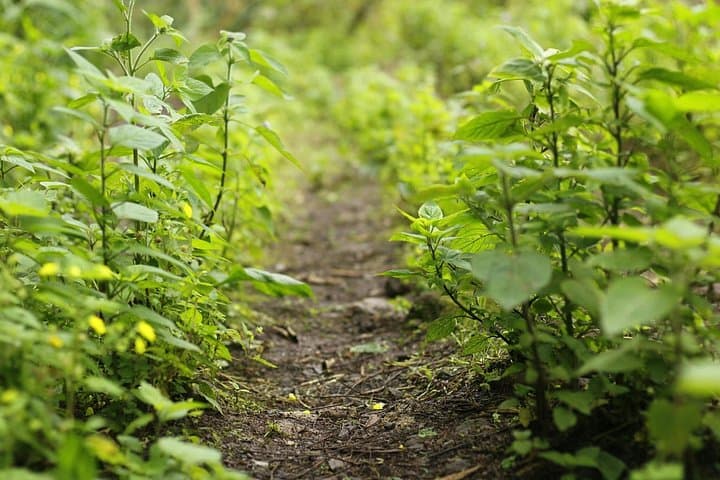
You step off the minivan and into a cooler air that the coast never keeps—mist threads the ridge and the scent of coffee plants rides the breeze. The trail climbs through terraces of grafted varieties, past rust-orange cherry and glossy green leaves, opening to a ridge view that slices across valleys and distant waterfalls. The mountain seems to breathe around you, urging each step higher.
Verified experiences and guided adventures in the surrounding area.
Operated by TUI Jamaica · Montego Bay, St. James
You step off the minivan and into a cooler air that the coast never keeps—mist threads the ridge and the scent of coffee plants rides the breeze. The trail climbs through terraces of grafted varieties, past rust-orange cherry and glossy green leaves, opening to a ridge view that slices across valleys and distant waterfalls. The mountain seems to breathe around you, urging each step higher.
The Blue Mountains have produced prized coffee since the 18th century; family farms here maintain cultivation methods handed down through generations. Geologically, these slopes are old, weathered rock crowned with soils that drain quickly—ideal for the slow-maturing Arabica beans called “Brown Gold.” Culturally, coffee work is woven into local life: midday brunches, mill demonstrations and a communal pride in each roasted batch.
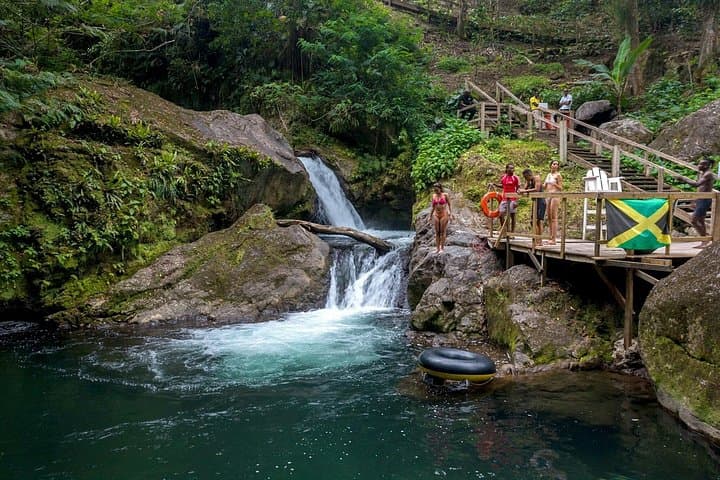
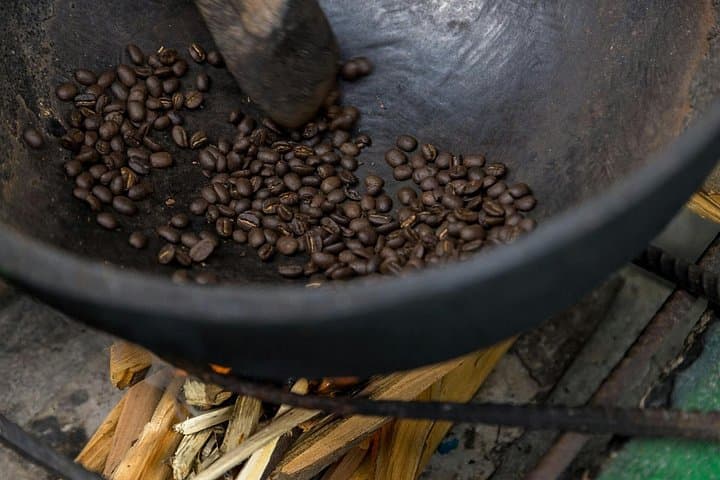
Expect about 2.2 miles on foot across uneven farm tracks and rainforest paths, with frequent short climbs and lookout spots. Guides explain picking, processing and roasting, then lead you to the Would Pool—known locally as the Fountain of Youth—where a cool swim resets tired legs. The day finishes with a tree-planting that helps reforest coffee terraces and stabilize fragile slopes.
Practical notes: wear closed-toe hiking shoes, bring a light rain layer and insect protection, and carry water and cash for extras. Timing matters—mornings are misty and photogenic; afternoons clearances can reveal long coastal views. The experience balances a hands-on coffee education with a steady, accessible mountain walk suitable for most fit travelers.
The walking section is about 2.2 miles total on uneven trails, usually taking 1.5–2.5 hours depending on stops.
Children 10 and older can participate, but the trail has uneven terrain—supervision and appropriate footwear are essential.
Brunch and guide-led tastings are included; bring cash for extra purchases or tips.
Yes—tree planting is part of the itinerary to support local reforestation efforts.
TUI Jamaica operates guided outdoor trips and adventures with an emphasis on safety, stewardship, and memorable experiences.

You step off the minivan and into a cooler air that the coast never keeps—mist threads the ridge and the scent of coffee plants rides the breeze. The trail climbs through terraces of grafted varieties, past rust-orange cherry and glossy green leaves, opening to a ridge view that slices across valleys and distant waterfalls. The mountain seems to breathe around you, urging each step higher.
You step off the minivan and into a cooler air that the coast never keeps—mist threads the ridge and the scent of coffee plants rides the breeze. The trail climbs through terraces of grafted varieties, past rust-orange cherry and glossy green leaves, opening to a ridge view that slices across valleys and distant waterfalls. The mountain seems to breathe around you, urging each step higher.
The Blue Mountains have produced prized coffee since the 18th century; family farms here maintain cultivation methods handed down through generations. Geologically, these slopes are old, weathered rock crowned with soils that drain quickly—ideal for the slow-maturing Arabica beans called “Brown Gold.” Culturally, coffee work is woven into local life: midday brunches, mill demonstrations and a communal pride in each roasted batch.
Expect about 2.2 miles on foot across uneven farm tracks and rainforest paths, with frequent short climbs and lookout spots. Guides explain picking, processing and roasting, then lead you to the Would Pool—known locally as the Fountain of Youth—where a cool swim resets tired legs. The day finishes with a tree-planting that helps reforest coffee terraces and stabilize fragile slopes.
Practical notes: wear closed-toe hiking shoes, bring a light rain layer and insect protection, and carry water and cash for extras. Timing matters—mornings are misty and photogenic; afternoons clearances can reveal long coastal views. The experience balances a hands-on coffee education with a steady, accessible mountain walk suitable for most fit travelers.