THE ADVENTURE COLLECTIVE® · Independent discovery and booking for outdoor travel

Spend three hours on a regenerative Costa Rica farm: walk coffee rows, watch roasting, and press fresh sugarcane by hand. This hands-on tour blends agricultural know-how with cultural stories and unlimited coffee tastings.
Spend three hours on a regenerative Costa Rica farm: walk coffee rows, watch roasting, and press fresh sugarcane by hand. This hands-on tour blends agricultural know-how with cultural stories and unlimited coffee tastings.
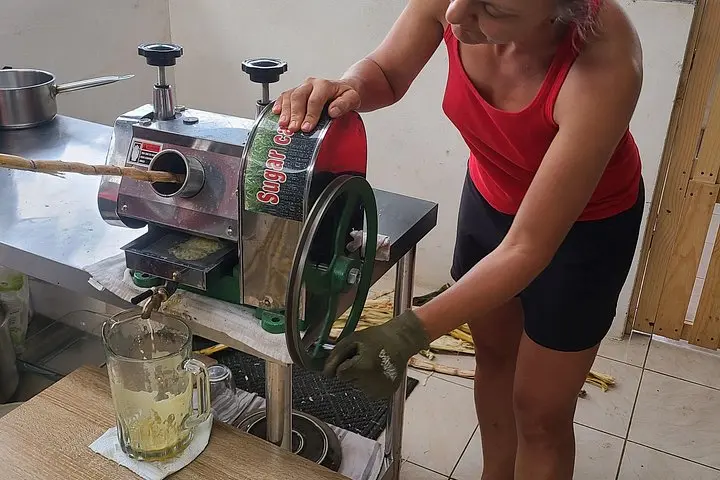
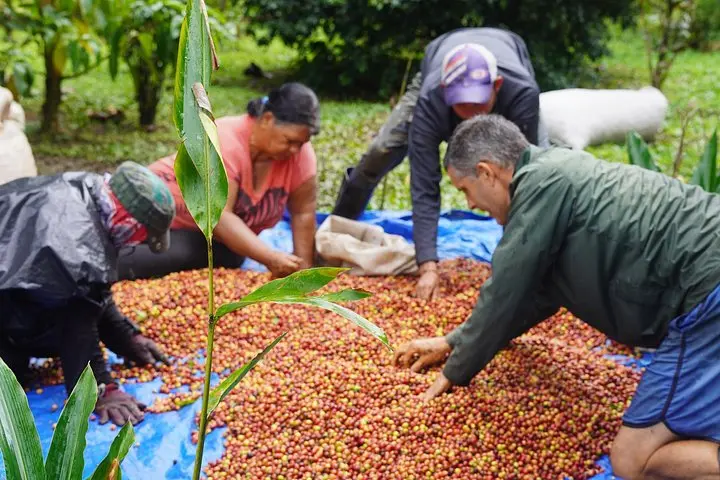
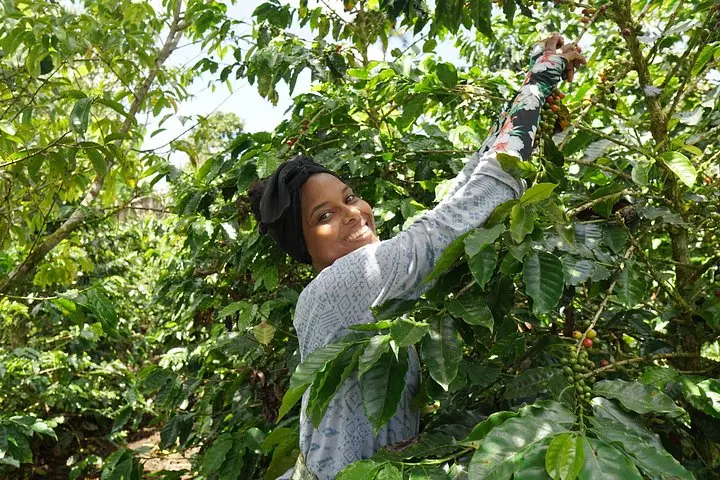
The morning air tastes faintly of earth and citrus as visitors step onto a small regenerative farm in Costa Rica’s southern Central Pacific. Dew slicks the coffee leaves; sugarcane stalks stand like green ropes waiting to be pressed. Over three hours guests move through rows of roughly 1,500 coffee trees, follow drying racks and roasting drums, then take part in the tactile work of turning cane into sweet juice using a hand-powered mill.
Verified experiences and guided adventures in the surrounding area.
Operated by Finca Malama · Uvita, Puntarenas
The morning air tastes faintly of earth and citrus as visitors step onto a small regenerative farm in Costa Rica’s southern Central Pacific. Dew slicks the coffee leaves; sugarcane stalks stand like green ropes waiting to be pressed. Over three hours guests move through rows of roughly 1,500 coffee trees, follow drying racks and roasting drums, then take part in the tactile work of turning cane into sweet juice using a hand-powered mill.
This landscape sits where volcanic soils and coastal humidity meet—rich, well-drained loam that helped shape coffee agriculture in the region. Coffee in Costa Rica carries a history of smallholder families and national efforts to regulate quality; on farms like this one permaculture practices replace chemical inputs and maintain soil life. The tour connects those agricultural practices with local culture: Tico village stories, communal labor rhythms, and recipes built around fresh coffee and cane juice.
Expect a practical, hands-on experience rather than a passive demonstration. Walks are on narrow farm tracks with modest elevation changes, and hosts explain planting cycles, fermentation, drying and roasting before guests brew and taste. The sugarcane segment is informal and sensory—smell of cut cane, the resistance of the press, the reward of fresh juice.
Practical guidance: wear closed-toe shoes, bring sun protection and a refillable water bottle, and plan for light walking on uneven ground. The tour is family-friendly and best scheduled in the morning when beans and cane are freshest, and when afternoon showers are less likely during the dry season.
The experience lasts approximately three hours and includes guided walks, demonstrations, and tastings.
Yes—families are welcome; infants must sit on laps per operator policy, and activities like cane pressing can be adapted for older children.
Most farm paths are uneven and not fully accessible; contact the operator in advance for specific accommodation requests.
Yes—coffee and freshly pressed sugarcane juice are included in the tour price.
Finca Malama operates guided outdoor trips and adventures with an emphasis on safety, stewardship, and memorable experiences.
The morning air tastes faintly of earth and citrus as visitors step onto a small regenerative farm in Costa Rica’s southern Central Pacific. Dew slicks the coffee leaves; sugarcane stalks stand like green ropes waiting to be pressed. Over three hours guests move through rows of roughly 1,500 coffee trees, follow drying racks and roasting drums, then take part in the tactile work of turning cane into sweet juice using a hand-powered mill.
The morning air tastes faintly of earth and citrus as visitors step onto a small regenerative farm in Costa Rica’s southern Central Pacific. Dew slicks the coffee leaves; sugarcane stalks stand like green ropes waiting to be pressed. Over three hours guests move through rows of roughly 1,500 coffee trees, follow drying racks and roasting drums, then take part in the tactile work of turning cane into sweet juice using a hand-powered mill.
This landscape sits where volcanic soils and coastal humidity meet—rich, well-drained loam that helped shape coffee agriculture in the region. Coffee in Costa Rica carries a history of smallholder families and national efforts to regulate quality; on farms like this one permaculture practices replace chemical inputs and maintain soil life. The tour connects those agricultural practices with local culture: Tico village stories, communal labor rhythms, and recipes built around fresh coffee and cane juice.
Expect a practical, hands-on experience rather than a passive demonstration. Walks are on narrow farm tracks with modest elevation changes, and hosts explain planting cycles, fermentation, drying and roasting before guests brew and taste. The sugarcane segment is informal and sensory—smell of cut cane, the resistance of the press, the reward of fresh juice.
Practical guidance: wear closed-toe shoes, bring sun protection and a refillable water bottle, and plan for light walking on uneven ground. The tour is family-friendly and best scheduled in the morning when beans and cane are freshest, and when afternoon showers are less likely during the dry season.