THE ADVENTURE COLLECTIVE® · Independent discovery and booking for outdoor travel

Brew, taste and tour a working Costa Rican farm minutes from Manuel Antonio. This hands-on workshop pairs roasting and brewing demos with a walk through cacao plots and medicinal plants — ideal for families and curious coffee lovers.
Brew, taste and tour a working Costa Rican farm minutes from Manuel Antonio. This hands-on workshop pairs roasting and brewing demos with a walk through cacao plots and medicinal plants — ideal for families and curious coffee lovers.
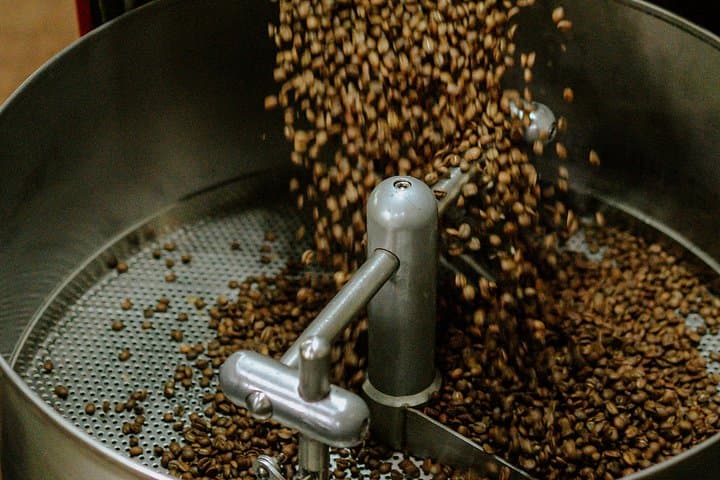
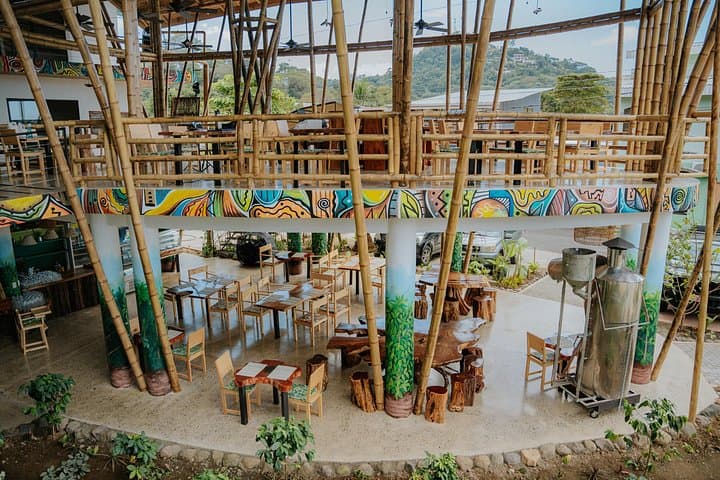
Morning light fattens the leaves as you step off the shuttle and into a working Costa Rican farm ten minutes from Manuel Antonio. Wet soil, the aroma of fresh roast and the chatter of birds set the stage: this is a hands-on workshop that moves from roasting to brewing, then into the small-scale cacao and medicinal-plant plots that shape local foodways.
Verified experiences and guided adventures in the surrounding area.
Operated by Terra Travel Costa Rica · Quepos, Puntarenas
Morning light fattens the leaves as you step off the shuttle and into a working Costa Rican farm ten minutes from Manuel Antonio. Wet soil, the aroma of fresh roast and the chatter of birds set the stage: this is a hands-on workshop that moves from roasting to brewing, then into the small-scale cacao and medicinal-plant plots that shape local foodways.
Costa Rica’s coffee boom began in the 19th century, transforming lowland farms and mountain slopes. At this workshop visitors learn that science and craft meet here — roast levels alter acidity, grind size governs extraction, and the wooden Café Chorreado speaks to national tradition. The property’s soils are volcanic-alluvial, well-draining and ideal for specialty beans; nearby shaded groves also support cacao and native healing plants used by coastal communities.
Expect practical demos: French press technique, pour-over with a Chemex, and the country’s classic chorreado method. Tastings include fresh brew, chocolate samples, caramelized cacao beans and sugarcane juice; a bilingual guide explains farm processes and answers questions.
Logistics are straightforward: the operator provides transportation, bottled water and a light meal; the pace is family-friendly with short walking sections across farm paths. Bring sun protection and insect repellent, plan for brief muddy stretches after rain, and save room for tastings. Photography is welcome, but follow the guide in production areas. The experience is equal parts sensory education and relaxed farm visit — ideal for travelers who like their coffee with context and a little local history.
Plan for roughly 2–4 hours including demos, a light meal, tastings and a short farm walk; exact times depend on group size.
Yes — the tour is family-friendly and the site is stroller accessible on most paths, though some uneven ground may be encountered.
A light meal is provided; notify the operator of allergies or dietary needs when booking so they can adapt where possible.
Yes — a bilingual guide leads the workshop and handles explanations and Q&A in Spanish and English.
Terra Travel Costa Rica operates guided outdoor trips and adventures with an emphasis on safety, stewardship, and memorable experiences.


Morning light fattens the leaves as you step off the shuttle and into a working Costa Rican farm ten minutes from Manuel Antonio. Wet soil, the aroma of fresh roast and the chatter of birds set the stage: this is a hands-on workshop that moves from roasting to brewing, then into the small-scale cacao and medicinal-plant plots that shape local foodways.
Morning light fattens the leaves as you step off the shuttle and into a working Costa Rican farm ten minutes from Manuel Antonio. Wet soil, the aroma of fresh roast and the chatter of birds set the stage: this is a hands-on workshop that moves from roasting to brewing, then into the small-scale cacao and medicinal-plant plots that shape local foodways.
Costa Rica’s coffee boom began in the 19th century, transforming lowland farms and mountain slopes. At this workshop visitors learn that science and craft meet here — roast levels alter acidity, grind size governs extraction, and the wooden Café Chorreado speaks to national tradition. The property’s soils are volcanic-alluvial, well-draining and ideal for specialty beans; nearby shaded groves also support cacao and native healing plants used by coastal communities.
Expect practical demos: French press technique, pour-over with a Chemex, and the country’s classic chorreado method. Tastings include fresh brew, chocolate samples, caramelized cacao beans and sugarcane juice; a bilingual guide explains farm processes and answers questions.
Logistics are straightforward: the operator provides transportation, bottled water and a light meal; the pace is family-friendly with short walking sections across farm paths. Bring sun protection and insect repellent, plan for brief muddy stretches after rain, and save room for tastings. Photography is welcome, but follow the guide in production areas. The experience is equal parts sensory education and relaxed farm visit — ideal for travelers who like their coffee with context and a little local history.