THE ADVENTURE COLLECTIVE® · Independent discovery and booking for outdoor travel

Walk a smallholder coffee farm beneath Volcán de Agua and learn hands-on harvesting, processing and cupping from a local grower. Three hours of field demonstrations and tastings reveal how volcanic soils and community practice shape a single cup.
Walk a smallholder coffee farm beneath Volcán de Agua and learn hands-on harvesting, processing and cupping from a local grower. Three hours of field demonstrations and tastings reveal how volcanic soils and community practice shape a single cup.
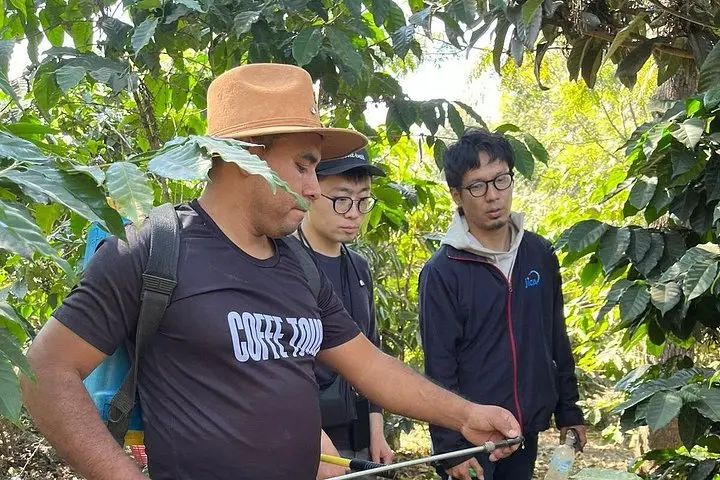
You arrive with the cone of Volcán de Agua filling the horizon — a constant, watching presence while small plots of coffee punctuate the foothills. The guide leads you between rows of shaded bushes where leaves whisper and beans hang heavy; the air smells of soil, fermenting cherry and bright, hot roast.
Verified experiences and guided adventures in the surrounding area.
Operated by Jade Tours · Antigua Guatemala, Sacatepéquez
You arrive with the cone of Volcán de Agua filling the horizon — a constant, watching presence while small plots of coffee punctuate the foothills. The guide leads you between rows of shaded bushes where leaves whisper and beans hang heavy; the air smells of soil, fermenting cherry and bright, hot roast.
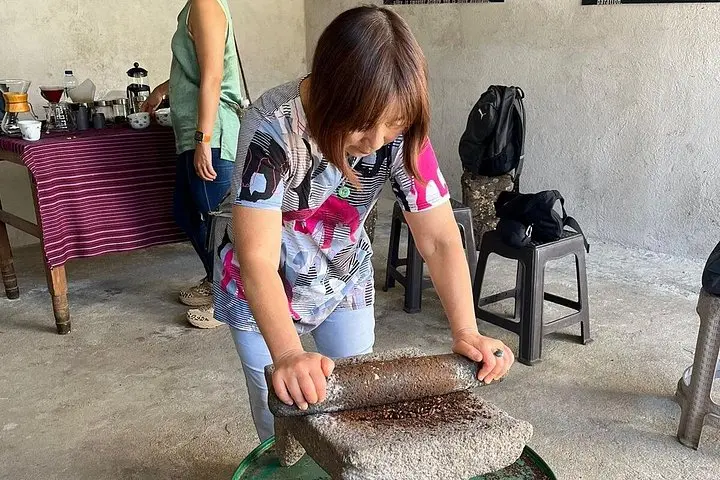
This region around Antigua Guatemala grew wealthy on coffee in the 19th and 20th centuries; volcanic soils from past eruptions supply the mineral-rich, well-drained ground that helps highland arabica develop its acidity and aromatics. The tour blends that geology with local farmcraft: mule routes and stone terraces still shape how families plant, fertilize and dry their harvest. You learn cultural rhythms — morning picking, communal sorting and the artisanal step of cupping — practices passed down in smallholder households.
Expect hands-on demos of harvesting, pulping and a guided tasting of coffee roasted from the farm you visit. The walk is on uneven plantation tracks, through shaded canopy and open patios where beans dry on racks.
Practical guidance: wear closed-toe shoes and a light jacket for cooler mornings; bring water and sun protection. Tours run about three hours and are appropriate for most fitness levels, but those with back or heart conditions should consult the operator. Photography is welcome but be respectful during work demonstrations. Public transport and short transfers from Antigua are common; many tours include transport. Leave with a clearer sense of how volcanic terrain, microclimate and local stewardship shape a single cup of Guatemalan coffee.
The activity runs about three hours, typically including transport, a farm walk, processing demos and a tasting.
Yes — the tour includes a guided tasting of coffee produced on the farm.
Terrain is mostly farm tracks and patios; it's easy walking but uneven in places, so wear sturdy shoes.
Service animals are allowed; infants must sit on laps. Check operator age policies before booking.
Jade Tours operates guided outdoor trips and adventures with an emphasis on safety, stewardship, and memorable experiences.
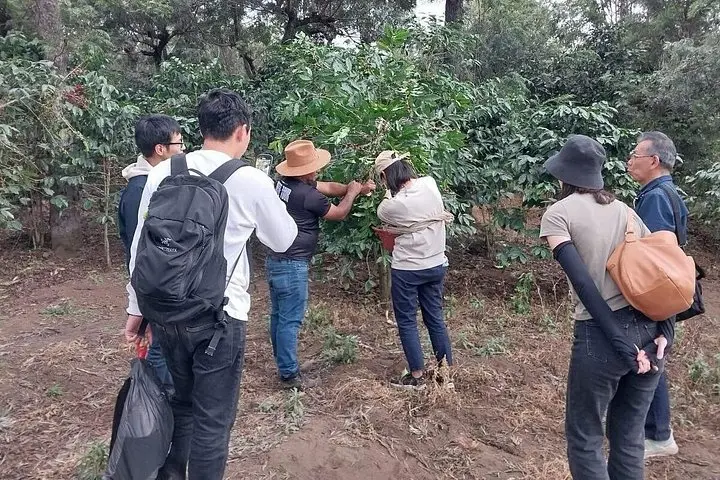
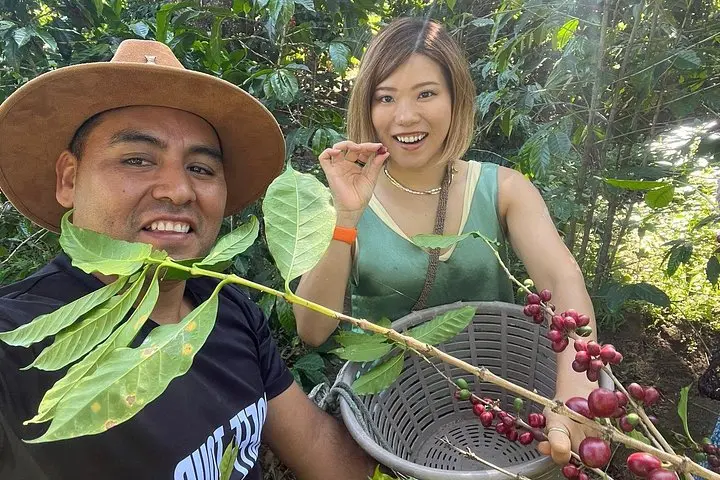
You arrive with the cone of Volcán de Agua filling the horizon — a constant, watching presence while small plots of coffee punctuate the foothills. The guide leads you between rows of shaded bushes where leaves whisper and beans hang heavy; the air smells of soil, fermenting cherry and bright, hot roast.
You arrive with the cone of Volcán de Agua filling the horizon — a constant, watching presence while small plots of coffee punctuate the foothills. The guide leads you between rows of shaded bushes where leaves whisper and beans hang heavy; the air smells of soil, fermenting cherry and bright, hot roast.
This region around Antigua Guatemala grew wealthy on coffee in the 19th and 20th centuries; volcanic soils from past eruptions supply the mineral-rich, well-drained ground that helps highland arabica develop its acidity and aromatics. The tour blends that geology with local farmcraft: mule routes and stone terraces still shape how families plant, fertilize and dry their harvest. You learn cultural rhythms — morning picking, communal sorting and the artisanal step of cupping — practices passed down in smallholder households.
Expect hands-on demos of harvesting, pulping and a guided tasting of coffee roasted from the farm you visit. The walk is on uneven plantation tracks, through shaded canopy and open patios where beans dry on racks.
Practical guidance: wear closed-toe shoes and a light jacket for cooler mornings; bring water and sun protection. Tours run about three hours and are appropriate for most fitness levels, but those with back or heart conditions should consult the operator. Photography is welcome but be respectful during work demonstrations. Public transport and short transfers from Antigua are common; many tours include transport. Leave with a clearer sense of how volcanic terrain, microclimate and local stewardship shape a single cup of Guatemalan coffee.