THE ADVENTURE COLLECTIVE® · Independent discovery and booking for outdoor travel

Spend a full day with local producers and rescuers—learn traditional coffee and cacao processing, join a hands-on cooking class, then visit a sloth and wildlife sanctuary focused on rescue and rehabilitation. Intimate, education-forward, and run by local families, this tour pairs flavors with conservation.
Spend a full day with local producers and rescuers—learn traditional coffee and cacao processing, join a hands-on cooking class, then visit a sloth and wildlife sanctuary focused on rescue and rehabilitation. Intimate, education-forward, and run by local families, this tour pairs flavors with conservation.
You step off the minivan into humid air scented by green coffee cherries and wet earth, the mountain slopes pressing close and the Pacific a distant promise. The day unfolds like a local story: a hands-on morning at a family coffee and cacao farm, then an afternoon at a rescue sanctuary where sloths and orphaned wildlife are cared for and rehabilitated.
Verified experiences and guided adventures in the surrounding area.
Operated by Playa Grande Shuttle & Tours · Playa Flamingo, Guanacaste
You step off the minivan into humid air scented by green coffee cherries and wet earth, the mountain slopes pressing close and the Pacific a distant promise. The day unfolds like a local story: a hands-on morning at a family coffee and cacao farm, then an afternoon at a rescue sanctuary where sloths and orphaned wildlife are cared for and rehabilitated.
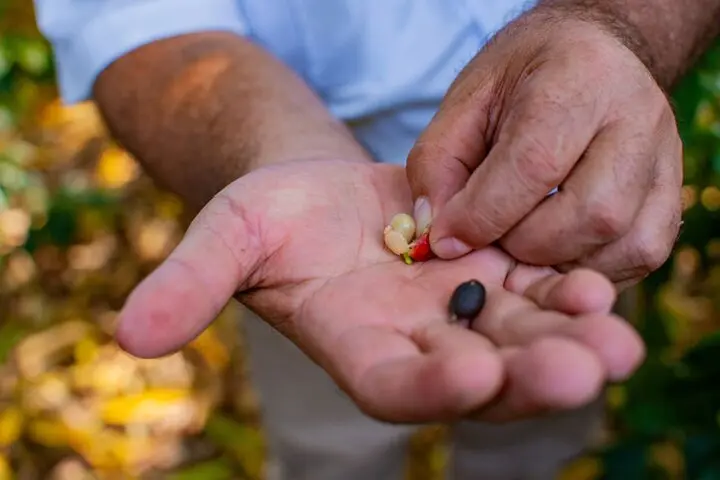
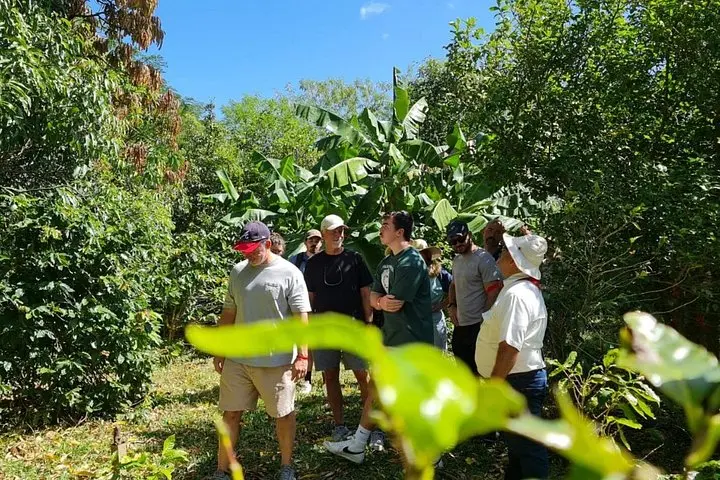
Coffee arrived in Costa Rica in the late 18th century and grew into an agricultural backbone; on this trail you’ll see the small-scale methods that continue in Guanacaste—hand sorting, sun-drying, and wood-fired roasting. The local geology is volcanic, soils rich and well-drained, which gives the beans their brightness; cacao grows in the shade of banana and native trees, its pulp-to-bean transformation explained step by step.
Culturally, the tour is run by born-and-raised Costa Ricans who emphasize family-scale agriculture and wildlife stewardship. At the sanctuary, keep conversation low: staff-led encounters prioritize animal welfare and education over selfies.
Practicalities: expect about eight hours total, light walking on uneven farm tracks and shaded dirt trails at the sanctuary. Bring sun protection, insect repellent, cash for small purchases, and a camera with a quiet shutter. Water is essential in the tropics; pace yourself between tastings and the guided lunch. The experience balances sensory details—earthy chocolate aromas, slow-moving sloths—with clear conservation messaging, offering a full-day, grounded introduction to Costa Rica’s farming traditions and rescue efforts.
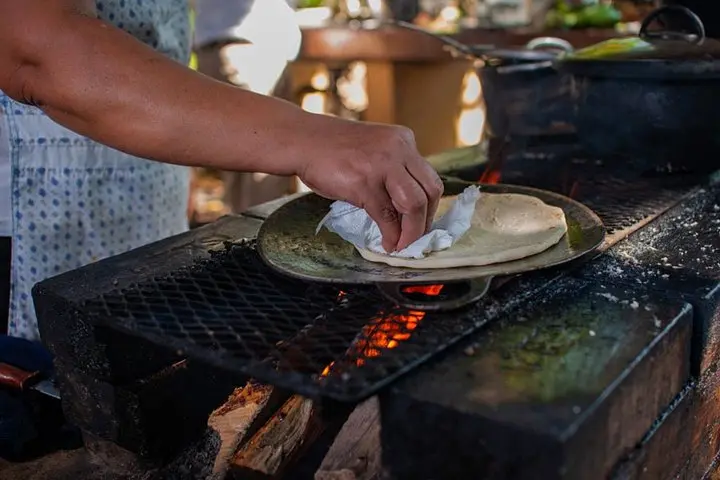
The experience is approximately eight hours and typically includes bilingual guide, transportation, lunch, entrance fees, tastings, and a hands-on cooking element.
Encounters are guided and focused on welfare; visitors can observe and learn but direct contact is limited based on each animal’s needs.
Yes—families are welcome, but activities include uneven terrain and a lot of walking; infant seats are available for transport.
Local operators can usually handle common dietary requests if informed at booking; communicate allergies or preferences in advance.
Playa Grande Shuttle & Tours operates guided outdoor trips and adventures with an emphasis on safety, stewardship, and memorable experiences.
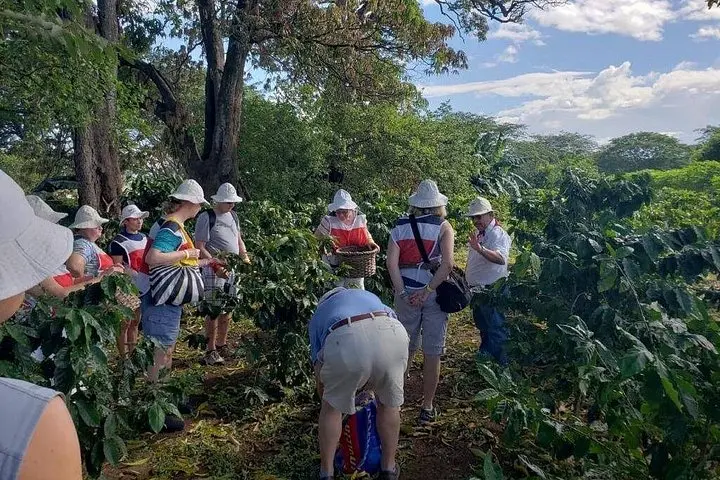
You step off the minivan into humid air scented by green coffee cherries and wet earth, the mountain slopes pressing close and the Pacific a distant promise. The day unfolds like a local story: a hands-on morning at a family coffee and cacao farm, then an afternoon at a rescue sanctuary where sloths and orphaned wildlife are cared for and rehabilitated.
You step off the minivan into humid air scented by green coffee cherries and wet earth, the mountain slopes pressing close and the Pacific a distant promise. The day unfolds like a local story: a hands-on morning at a family coffee and cacao farm, then an afternoon at a rescue sanctuary where sloths and orphaned wildlife are cared for and rehabilitated.
Coffee arrived in Costa Rica in the late 18th century and grew into an agricultural backbone; on this trail you’ll see the small-scale methods that continue in Guanacaste—hand sorting, sun-drying, and wood-fired roasting. The local geology is volcanic, soils rich and well-drained, which gives the beans their brightness; cacao grows in the shade of banana and native trees, its pulp-to-bean transformation explained step by step.
Culturally, the tour is run by born-and-raised Costa Ricans who emphasize family-scale agriculture and wildlife stewardship. At the sanctuary, keep conversation low: staff-led encounters prioritize animal welfare and education over selfies.
Practicalities: expect about eight hours total, light walking on uneven farm tracks and shaded dirt trails at the sanctuary. Bring sun protection, insect repellent, cash for small purchases, and a camera with a quiet shutter. Water is essential in the tropics; pace yourself between tastings and the guided lunch. The experience balances sensory details—earthy chocolate aromas, slow-moving sloths—with clear conservation messaging, offering a full-day, grounded introduction to Costa Rica’s farming traditions and rescue efforts.