THE ADVENTURE COLLECTIVE® · Independent discovery and booking for outdoor travel

Walk from Arusha into a living coffee landscape: learn organic farming and processing, taste fresh roasts, and share a village lunch. This half-day outing blends light hiking with cultural exchange and direct support for local growers.
Walk from Arusha into a living coffee landscape: learn organic farming and processing, taste fresh roasts, and share a village lunch. This half-day outing blends light hiking with cultural exchange and direct support for local growers.
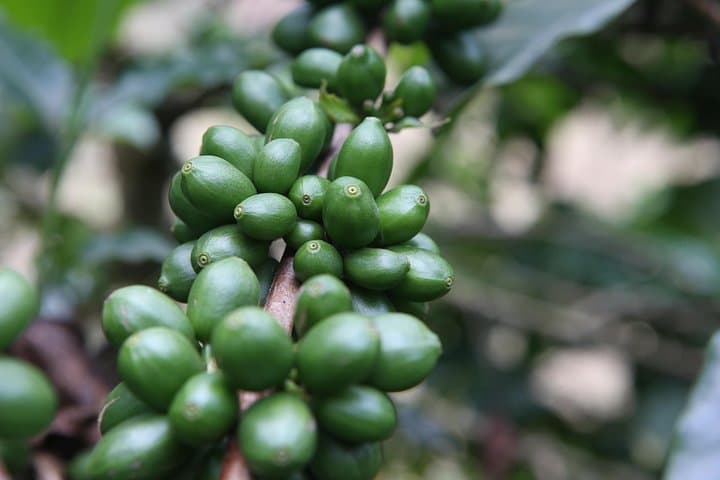
You step off the van into cool, evergreen air forty minutes from Arusha: a village of narrow paths, school bells and coffee trees bending under bright cherries. Guides lead a slow, local rhythm — past small farms and a church, into contours of cultivated slope where coffee grows at about 1,400 m elevation. The walk is physical but forgiving: a 30–40 minute stroll to the farm, then across garden paths to the on-site roastery.
Verified experiences and guided adventures in the surrounding area.
Operated by Wild Tracks/Kahawa - Coffee Walks · Arusha, Arusha Region
You step off the van into cool, evergreen air forty minutes from Arusha: a village of narrow paths, school bells and coffee trees bending under bright cherries. Guides lead a slow, local rhythm — past small farms and a church, into contours of cultivated slope where coffee grows at about 1,400 m elevation. The walk is physical but forgiving: a 30–40 minute stroll to the farm, then across garden paths to the on-site roastery.
Coffee arrived in northern Tanzania with colonial-era trade and has since become a backbone of smallholder livelihoods. In this region Arabica thrives on volcanic soils and steady mountain moisture; the farm you visit is organic and Fairtrade, deliberately avoiding agrochemicals and paying premiums to growers. That practical ethic shapes the day: hands-on demos of picking, wet and dry processing, and a comparison between traditional and organic methods that affect flavor and farmer income.
Expect sensory detail — the scent of drying parchment, the bright acidity of a fresh cup, and the crunch of banana cake served with chocolate-coated beans. The roaster is a hands-on finale where samples and a small showroom let you choose a bag to bring home.
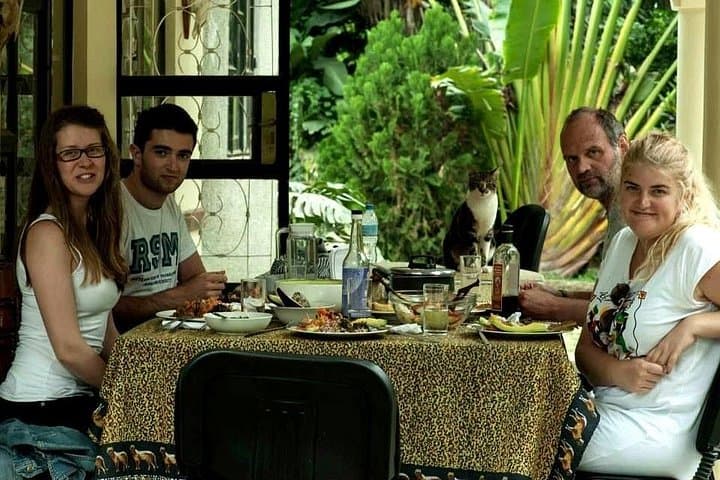
Practical info: allow about 6.5 hours total, basic walking shoes and sun protection, and moderate fitness for short uphill stretches. The tour includes private transport, lunch with local specialties, and a donation to the farm group — a direct way to support community-based agriculture while learning how a seed becomes a cup.
The trip lasts about 6.5 hours and includes private transport from Arusha, a guided walk to the coffee farm, roastery visit, lunch with local dishes, a cup-tasting, one bag of coffee, and a small donation to the farm group.
Yes — the route is easy and mostly on village tracks; infant seats are available in vehicles and the pace is relaxed, but let the operator know any special mobility needs when booking.
You can purchase freshly roasted coffee in the showroom; cash is commonly used, so bring Tanzanian shillings, though some vendors may accept card.
The farm sits at ~1,400 m with cool mornings and variable weather — expect dirt paths, short uphill sections, and potential rain during the March–May long rains.
Wild Tracks/Kahawa - Coffee Walks operates guided outdoor trips and adventures with an emphasis on safety, stewardship, and memorable experiences.


You step off the van into cool, evergreen air forty minutes from Arusha: a village of narrow paths, school bells and coffee trees bending under bright cherries. Guides lead a slow, local rhythm — past small farms and a church, into contours of cultivated slope where coffee grows at about 1,400 m elevation. The walk is physical but forgiving: a 30–40 minute stroll to the farm, then across garden paths to the on-site roastery.
You step off the van into cool, evergreen air forty minutes from Arusha: a village of narrow paths, school bells and coffee trees bending under bright cherries. Guides lead a slow, local rhythm — past small farms and a church, into contours of cultivated slope where coffee grows at about 1,400 m elevation. The walk is physical but forgiving: a 30–40 minute stroll to the farm, then across garden paths to the on-site roastery.
Coffee arrived in northern Tanzania with colonial-era trade and has since become a backbone of smallholder livelihoods. In this region Arabica thrives on volcanic soils and steady mountain moisture; the farm you visit is organic and Fairtrade, deliberately avoiding agrochemicals and paying premiums to growers. That practical ethic shapes the day: hands-on demos of picking, wet and dry processing, and a comparison between traditional and organic methods that affect flavor and farmer income.
Expect sensory detail — the scent of drying parchment, the bright acidity of a fresh cup, and the crunch of banana cake served with chocolate-coated beans. The roaster is a hands-on finale where samples and a small showroom let you choose a bag to bring home.
Practical info: allow about 6.5 hours total, basic walking shoes and sun protection, and moderate fitness for short uphill stretches. The tour includes private transport, lunch with local specialties, and a donation to the farm group — a direct way to support community-based agriculture while learning how a seed becomes a cup.