THE ADVENTURE COLLECTIVE® · Independent discovery and booking for outdoor travel

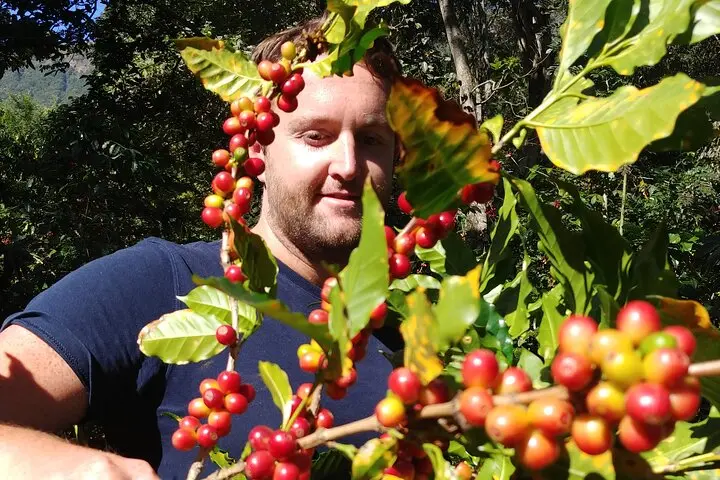
Walk through working coffee plantations above Lake Atitlán, meet cooperative farmers, and watch cherries become a cup of coffee on this easy three-hour tour in San Juan La Laguna. Ideal for families and coffee lovers wanting hands-on insight into bean-to-cup production.
Walk through working coffee plantations above Lake Atitlán, meet cooperative farmers, and watch cherries become a cup of coffee on this easy three-hour tour in San Juan La Laguna. Ideal for families and coffee lovers wanting hands-on insight into bean-to-cup production.
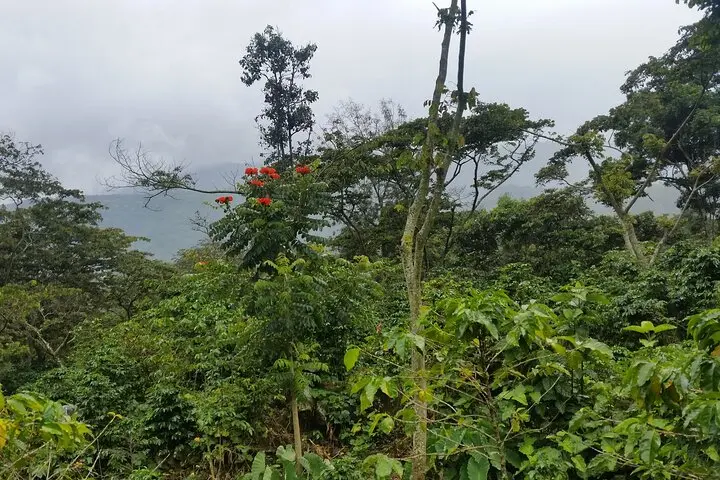
You step off the boat and the air immediately changes—earthy, warm, cut with citrus from nearby gardens. The trail out of town slips between low stone walls into a patchwork of coffee terraces that slope toward Lake Atitlán, the water a steady blue that seems to watch the hills. Footsteps on dirt, the rustle of drying beans, and a guide whose hands know the seasons set the pace.
Verified experiences and guided adventures in the surrounding area.
Operated by Guatemala Authentic Nature · San Juan La Laguna, Sololá
You step off the boat and the air immediately changes—earthy, warm, cut with citrus from nearby gardens. The trail out of town slips between low stone walls into a patchwork of coffee terraces that slope toward Lake Atitlán, the water a steady blue that seems to watch the hills. Footsteps on dirt, the rustle of drying beans, and a guide whose hands know the seasons set the pace.
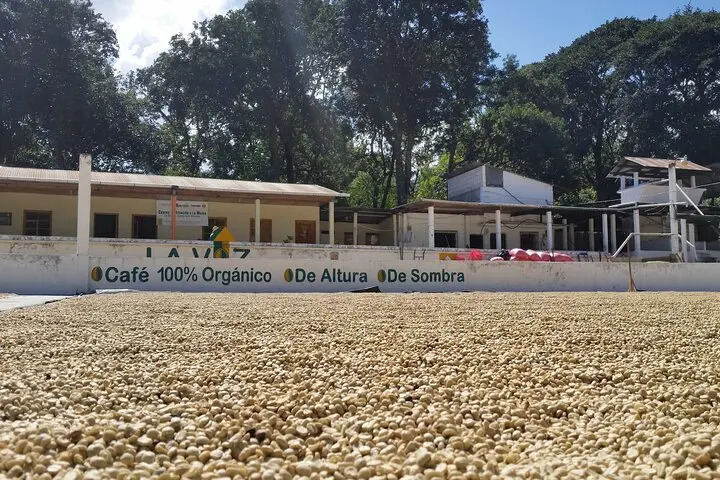
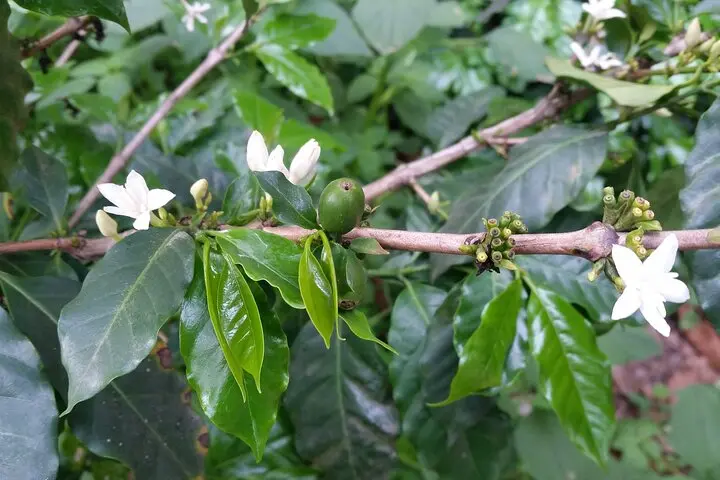
This walk threads local history and volcanic soil: the volcanic slopes around Atitlán created rich, well-drained ground ideal for arabica coffee that local Maya communities have farmed for generations. In San Juan La Laguna you'll pass traditional gardens and cooperative mills where cherries are pulped, washed, fermented, and sun-dried—processes unchanged in principle though improved with community-led facilities.
Expect easy, mostly level plantation tracks with brief uneven sections; total distance around 2–3 miles and the walk sits at roughly 1,560 m above sea level, so the air is cooler than Guatemala City. The tour ends at a cooperative or café where you watch roasting or grinding and taste the finished cup, learning roast profiles and how altitude and soil influence acidity and body.
Practical: wear closed shoes, bring water and sun protection, and carry small cash for cooperative purchases. Mornings are best for cooler temperatures and more active farmwork to observe. The tour is family-friendly and low-impact—stay on paths, avoid touching drying beans, and consider buying a bag of coffee to support the cooperative. This is a short, sensory immersion: soil underfoot, the lake in the distance, and coffee moving from branch to cup within three hours.
The tour runs about three hours and covers roughly 2–3 miles on mostly gentle plantation tracks.
Yes—it's rated easy and family-friendly, though participants should be able to walk short, uneven sections.
You will see cherry picking, pulping, washing/drying processes at a cooperative and a demonstration of roasting and cupping procedures.
The tour typically offers pickup from nearby lodgings; check the booking confirmation for pickup details or plan to meet at a designated dock or café.
Guatemala Authentic Nature operates guided outdoor trips and adventures with an emphasis on safety, stewardship, and memorable experiences.
You step off the boat and the air immediately changes—earthy, warm, cut with citrus from nearby gardens. The trail out of town slips between low stone walls into a patchwork of coffee terraces that slope toward Lake Atitlán, the water a steady blue that seems to watch the hills. Footsteps on dirt, the rustle of drying beans, and a guide whose hands know the seasons set the pace.
You step off the boat and the air immediately changes—earthy, warm, cut with citrus from nearby gardens. The trail out of town slips between low stone walls into a patchwork of coffee terraces that slope toward Lake Atitlán, the water a steady blue that seems to watch the hills. Footsteps on dirt, the rustle of drying beans, and a guide whose hands know the seasons set the pace.
This walk threads local history and volcanic soil: the volcanic slopes around Atitlán created rich, well-drained ground ideal for arabica coffee that local Maya communities have farmed for generations. In San Juan La Laguna you'll pass traditional gardens and cooperative mills where cherries are pulped, washed, fermented, and sun-dried—processes unchanged in principle though improved with community-led facilities.
Expect easy, mostly level plantation tracks with brief uneven sections; total distance around 2–3 miles and the walk sits at roughly 1,560 m above sea level, so the air is cooler than Guatemala City. The tour ends at a cooperative or café where you watch roasting or grinding and taste the finished cup, learning roast profiles and how altitude and soil influence acidity and body.
Practical: wear closed shoes, bring water and sun protection, and carry small cash for cooperative purchases. Mornings are best for cooler temperatures and more active farmwork to observe. The tour is family-friendly and low-impact—stay on paths, avoid touching drying beans, and consider buying a bag of coffee to support the cooperative. This is a short, sensory immersion: soil underfoot, the lake in the distance, and coffee moving from branch to cup within three hours.