THE ADVENTURE COLLECTIVE® · Independent discovery and booking for outdoor travel

Explore Coimbra on a guided 3–4 hour walking tour from the Mondego riverbank to the University’s hilltop cloisters. This private route mixes student lore, medieval streets and botanical calm with practical advice for navigating cobbled alleys.
Explore Coimbra on a guided 3–4 hour walking tour from the Mondego riverbank to the University’s hilltop cloisters. This private route mixes student lore, medieval streets and botanical calm with practical advice for navigating cobbled alleys.
Morning light lifts off the Mondego and the colored slats of the Pedro and Inês footbridge guide you toward the city’s steep streets. The river seems to dare you forward, pulling your steps along narrow alleys, staircases and the old wall that curves through Coimbra’s tiers. Voices from cafés drift up from below; tile facades catch the sun.
Verified experiences and guided adventures in the surrounding area.
Operated by Aventuras Forte(s) - Turismo de Natureza · Coimbra, Coimbra District
Morning light lifts off the Mondego and the colored slats of the Pedro and Inês footbridge guide you toward the city’s steep streets. The river seems to dare you forward, pulling your steps along narrow alleys, staircases and the old wall that curves through Coimbra’s tiers. Voices from cafés drift up from below; tile facades catch the sun.
This is a place shaped by centuries: a medieval hilltop core, Roman remnants beneath the University, and a scholarly pulse since the University of Coimbra was formally established in the 13th century. The city’s geology is modest—granite outcrops and terraces carved for olive trees—yet the human layers are deep. Architectural notes jump from Romanesque cathedral stones to baroque university halls and botanical beds that speak to Portugal’s global past.
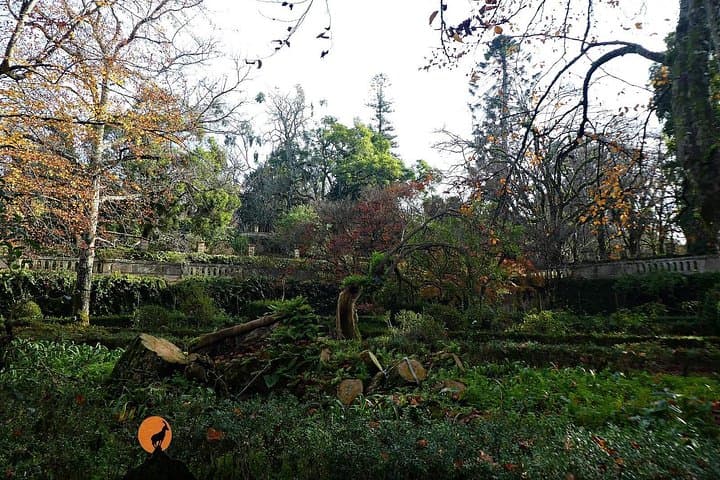
Walks here are both sensory and instructive. Expect stair climbs and cobbled lanes rather than long-distance hiking—each turn reveals cloistered viewpoints, tiled façades and the Botanical Garden’s shaded lanes. Local guides point out the University’s Joanina Library, the Old Cathedral’s stones and quiet courtyards where students once debated.
Practicalities: allow 3–4 hours, wear supportive shoes for uneven cobbles, and schedule the tour in morning or late afternoon to avoid midday heat. Carry water, a light rain shell and a camera; narrow streets limit big luggage. Public transport and taxis are available, and small-group or private formats make it easy to pause for photos. Respect the fragile historic sites—stay on paths, and leave no trace as you explore Coimbra’s living history.
Tours typically start at the Mondego riverbank near the Pedro and Inês footbridge and end in the high zone of the old city near the University area.
The tour is family-friendly but many sections have steep stairs and narrow cobbles—strollers are not recommended for the entire route.
This walking tour focuses on guided outdoor exploration; entry to paid attractions may not be included—confirm with the operator when booking.
Local guides commonly speak Portuguese and English; private tours may offer additional languages on request—check at booking.
Aventuras Forte(s) - Turismo de Natureza operates guided outdoor trips and adventures with an emphasis on safety, stewardship, and memorable experiences.
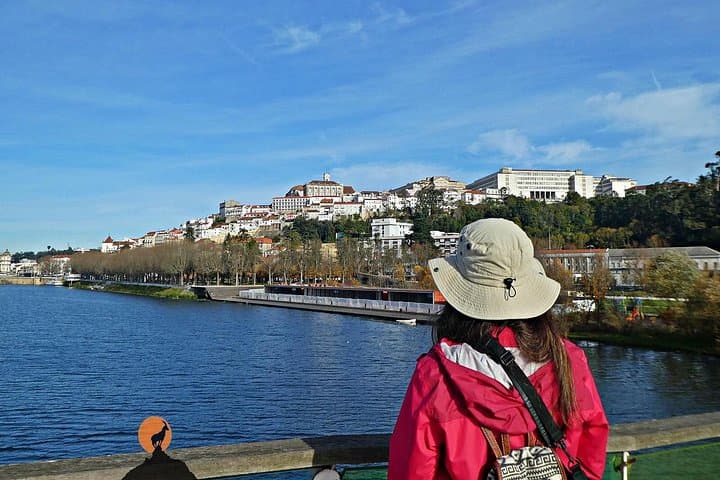

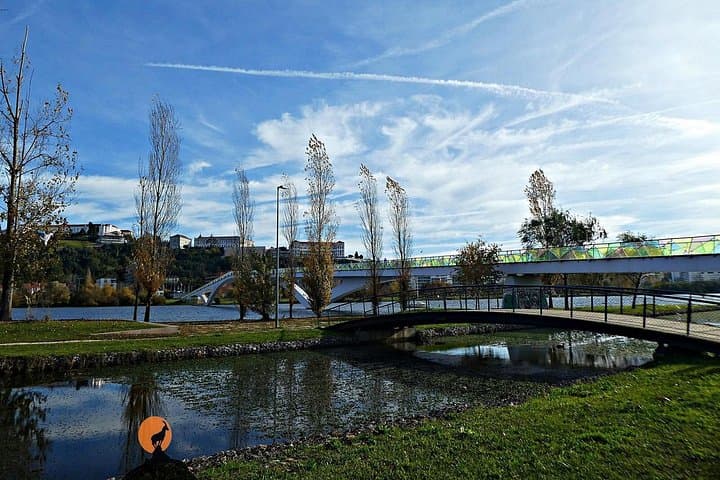
Morning light lifts off the Mondego and the colored slats of the Pedro and Inês footbridge guide you toward the city’s steep streets. The river seems to dare you forward, pulling your steps along narrow alleys, staircases and the old wall that curves through Coimbra’s tiers. Voices from cafés drift up from below; tile facades catch the sun.
Morning light lifts off the Mondego and the colored slats of the Pedro and Inês footbridge guide you toward the city’s steep streets. The river seems to dare you forward, pulling your steps along narrow alleys, staircases and the old wall that curves through Coimbra’s tiers. Voices from cafés drift up from below; tile facades catch the sun.
This is a place shaped by centuries: a medieval hilltop core, Roman remnants beneath the University, and a scholarly pulse since the University of Coimbra was formally established in the 13th century. The city’s geology is modest—granite outcrops and terraces carved for olive trees—yet the human layers are deep. Architectural notes jump from Romanesque cathedral stones to baroque university halls and botanical beds that speak to Portugal’s global past.
Walks here are both sensory and instructive. Expect stair climbs and cobbled lanes rather than long-distance hiking—each turn reveals cloistered viewpoints, tiled façades and the Botanical Garden’s shaded lanes. Local guides point out the University’s Joanina Library, the Old Cathedral’s stones and quiet courtyards where students once debated.
Practicalities: allow 3–4 hours, wear supportive shoes for uneven cobbles, and schedule the tour in morning or late afternoon to avoid midday heat. Carry water, a light rain shell and a camera; narrow streets limit big luggage. Public transport and taxis are available, and small-group or private formats make it easy to pause for photos. Respect the fragile historic sites—stay on paths, and leave no trace as you explore Coimbra’s living history.