THE ADVENTURE COLLECTIVE® · Independent discovery and booking for outdoor travel

A three-day trek from Arequipa into Colca Canyon drops through dramatic elevation zones to Sangalle oasis, offers sunrise condor viewing at Condor’s Cross and finishes with hot springs near Chivay. Expect steep trails, village stays and rich Andean culture.
A three-day trek from Arequipa into Colca Canyon drops through dramatic elevation zones to Sangalle oasis, offers sunrise condor viewing at Condor’s Cross and finishes with hot springs near Chivay. Expect steep trails, village stays and rich Andean culture.
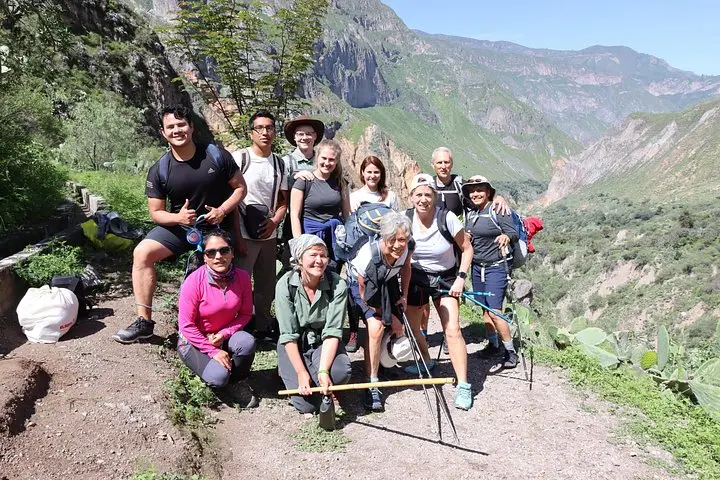
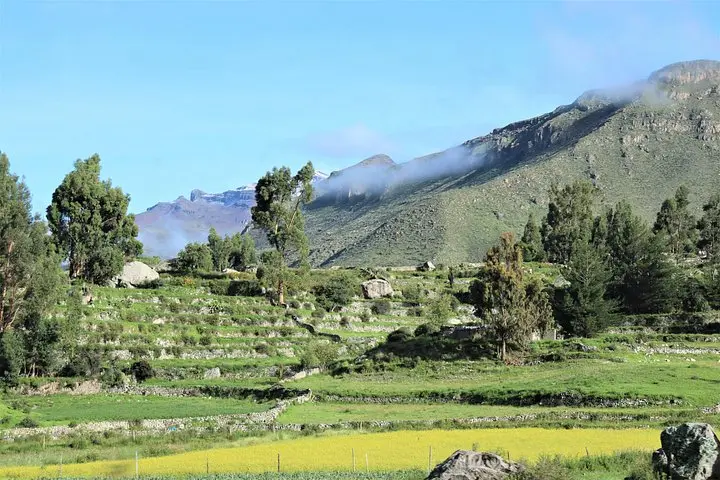
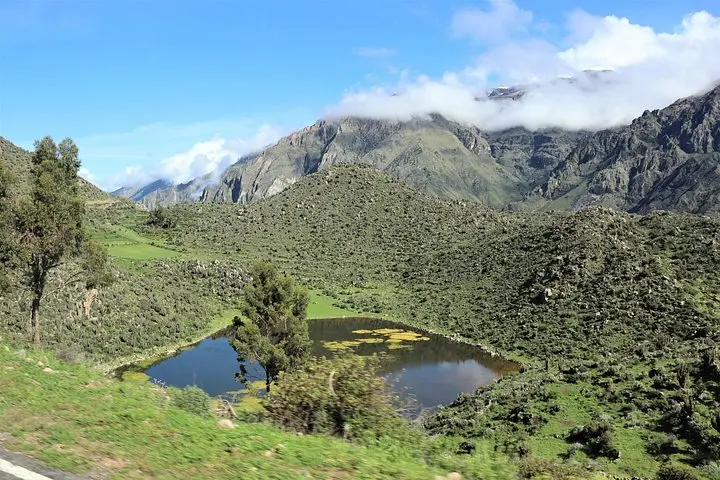
At dawn the bus pulls out of Arequipa and the plateau thins into ribs of volcanic rock; by the time participants reach Condor’s Cross the canyon yawns below, steam of the river mixing with cloud, condors wheel like slow punctuation above the rim. The first day drops from 3,300 m to roughly 2,100 m— a steep descent through terraced slopes and hardy scrub to the village of San Juan de Chuccho.
Verified experiences and guided adventures in the surrounding area.
Operated by Travel Adventures Peru · Cabanaconde, Arequipa Region
At dawn the bus pulls out of Arequipa and the plateau thins into ribs of volcanic rock; by the time participants reach Condor’s Cross the canyon yawns below, steam of the river mixing with cloud, condors wheel like slow punctuation above the rim. The first day drops from 3,300 m to roughly 2,100 m— a steep descent through terraced slopes and hardy scrub to the village of San Juan de Chuccho.
This route threads colonial villages, Pre-Inca agricultural terraces and shifting microclimates. Geologically the Colca formed from tectonic uplift and millennia of river incision, creating one of the world’s deepest canyons. Culturally the valley is still shaped by Quechua-speaking highland communities who herd camelids, farm maize and maintain centuries-old irrigation channels.
Expect narrow switchbacks, loose scree in places, riparian vegetation as you approach Sangalle’s oasis, and a hot-spring finish near Chivay. Wildlife encounters are a highlight: the Andean condor often appears at sunrise, while vicuñas and alpacas graze on higher slopes. Guides commonly include village visits—honey producers in Cosñirhua and the colonial church in Malata.
Practical guidance: start early to avoid midday heat in lower elevations; carry at least 2–3 liters of water, sun protection and a waterproof midlayer for high-altitude winds. The trek contains sustained uphill and downhill sections—allow time for acclimatization in Arequipa and bring comfortable, broken-in boots. Lodging is basic family-run stays and a small oasis lodge with a pool; hot springs at Chivay are optional and have a small entry fee. For safety, follow your guide’s pace, keep to trails and pack out trash.
The trek is rated moderate—daily segments include sustained downhill and uphill hiking (3–4 hours at times). Basic endurance and comfort on uneven terrain are necessary.
Yes—Arequipa sits at ~2,300 m and parts of the return pass exceed 4,800 m; a day in Arequipa before departure helps reduce altitude issues.
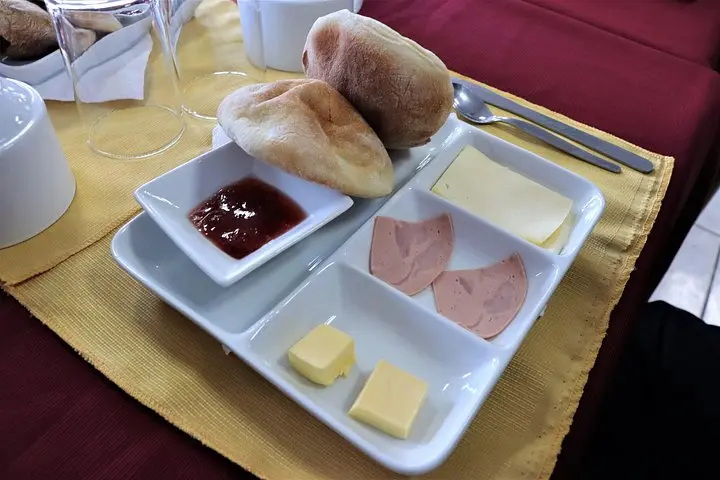
Meals listed (breakfast, lunch, dinner) and family-run or small lodge accommodations in villages are included as described; hot springs entry is usually extra.
Operators request moderate fitness; age and group-size policies vary—service animals are allowed but check with the operator when booking.
Travel Adventures Peru operates guided outdoor trips and adventures with an emphasis on safety, stewardship, and memorable experiences.
At dawn the bus pulls out of Arequipa and the plateau thins into ribs of volcanic rock; by the time participants reach Condor’s Cross the canyon yawns below, steam of the river mixing with cloud, condors wheel like slow punctuation above the rim. The first day drops from 3,300 m to roughly 2,100 m— a steep descent through terraced slopes and hardy scrub to the village of San Juan de Chuccho.
At dawn the bus pulls out of Arequipa and the plateau thins into ribs of volcanic rock; by the time participants reach Condor’s Cross the canyon yawns below, steam of the river mixing with cloud, condors wheel like slow punctuation above the rim. The first day drops from 3,300 m to roughly 2,100 m— a steep descent through terraced slopes and hardy scrub to the village of San Juan de Chuccho.
This route threads colonial villages, Pre-Inca agricultural terraces and shifting microclimates. Geologically the Colca formed from tectonic uplift and millennia of river incision, creating one of the world’s deepest canyons. Culturally the valley is still shaped by Quechua-speaking highland communities who herd camelids, farm maize and maintain centuries-old irrigation channels.
Expect narrow switchbacks, loose scree in places, riparian vegetation as you approach Sangalle’s oasis, and a hot-spring finish near Chivay. Wildlife encounters are a highlight: the Andean condor often appears at sunrise, while vicuñas and alpacas graze on higher slopes. Guides commonly include village visits—honey producers in Cosñirhua and the colonial church in Malata.
Practical guidance: start early to avoid midday heat in lower elevations; carry at least 2–3 liters of water, sun protection and a waterproof midlayer for high-altitude winds. The trek contains sustained uphill and downhill sections—allow time for acclimatization in Arequipa and bring comfortable, broken-in boots. Lodging is basic family-run stays and a small oasis lodge with a pool; hot springs at Chivay are optional and have a small entry fee. For safety, follow your guide’s pace, keep to trails and pack out trash.