THE ADVENTURE COLLECTIVE® · Independent discovery and booking for outdoor travel

Descend from the Andean plateau into one of the world’s deepest canyons on this 3-day trek from Cabanaconde to Sangalle. Expect condors, pre-Inca terraces, steep elevation changes and a humid oasis that feels a world away from the high puna.
Descend from the Andean plateau into one of the world’s deepest canyons on this 3-day trek from Cabanaconde to Sangalle. Expect condors, pre-Inca terraces, steep elevation changes and a humid oasis that feels a world away from the high puna.
Dawn light strips the high plateau outside Arequipa as a small convoy winds toward the rim of Colca Canyon. By the time you reach the Condor’s Cross the air is thin and cold, and the canyon drops away in layered terraces—sheer walls that push your eyes down to an unexpected green at the bottom. Condors wheel above, massive silhouettes against a hard blue sky; below, the trail begins its long descent.
Verified experiences and guided adventures in the surrounding area.
Operated by Trek The Colca · Arequipa, Arequipa
Dawn light strips the high plateau outside Arequipa as a small convoy winds toward the rim of Colca Canyon. By the time you reach the Condor’s Cross the air is thin and cold, and the canyon drops away in layered terraces—sheer walls that push your eyes down to an unexpected green at the bottom. Condors wheel above, massive silhouettes against a hard blue sky; below, the trail begins its long descent.
Colca is one of the world’s deepest canyons, carved by the Colca River over millions of years through volcanic rock and uplifted Andes. The valley has been home to Collagua and Cabana people for centuries, their stone terraces and colonial churches dotting high villages such as Cabanaconde and Chivay. The trek slips through ecological zones—high puna, dry canyon slopes, then the humid oasis at Sangalle where cactus, palms, and small farms push up from river terraces.
Expect long uphill and downhill sections with dramatic elevation change: you drop from roughly 3,300 m to 1,900 m on day one, then climb back on day three. Guides point out vicuñas, alpacas and pre-Inca terraces, and local lodges in Sangalle offer basic comfort and a pool to soak tired legs.
Practical edge: start early to avoid midday heat in the canyon, carry at least 2–3 liters of water, and pace the uphill on day three to manage altitude and steep switchbacks. Good, broken-in hiking boots and layering for temperature swings will make the difference between suffering and savoring this classic Andean trek.
Moderate fitness is required—expect sustained uphill and downhill hiking with 1,200+ m elevation changes; regular walkers who train on hills should manage fine.
Service is intermittent in the canyon; basic lodges at Sangalle often have limited power and no reliable cell signal—bring portable battery packs.
The tour includes breakfasts, lunches and dinners per the itinerary, but bring extra snacks and water purification in case you need more between meals.
You’ll experience high elevations—spend time in Arequipa to acclimatize, ascend slowly where possible, hydrate, and consult a doctor about prophylactics like acetazolamide if concerned.
Trek The Colca operates guided outdoor trips and adventures with an emphasis on safety, stewardship, and memorable experiences.


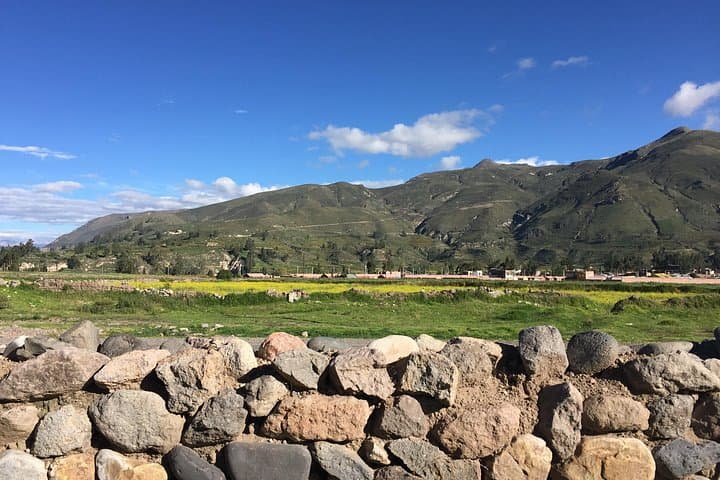

Dawn light strips the high plateau outside Arequipa as a small convoy winds toward the rim of Colca Canyon. By the time you reach the Condor’s Cross the air is thin and cold, and the canyon drops away in layered terraces—sheer walls that push your eyes down to an unexpected green at the bottom. Condors wheel above, massive silhouettes against a hard blue sky; below, the trail begins its long descent.
Dawn light strips the high plateau outside Arequipa as a small convoy winds toward the rim of Colca Canyon. By the time you reach the Condor’s Cross the air is thin and cold, and the canyon drops away in layered terraces—sheer walls that push your eyes down to an unexpected green at the bottom. Condors wheel above, massive silhouettes against a hard blue sky; below, the trail begins its long descent.
Colca is one of the world’s deepest canyons, carved by the Colca River over millions of years through volcanic rock and uplifted Andes. The valley has been home to Collagua and Cabana people for centuries, their stone terraces and colonial churches dotting high villages such as Cabanaconde and Chivay. The trek slips through ecological zones—high puna, dry canyon slopes, then the humid oasis at Sangalle where cactus, palms, and small farms push up from river terraces.
Expect long uphill and downhill sections with dramatic elevation change: you drop from roughly 3,300 m to 1,900 m on day one, then climb back on day three. Guides point out vicuñas, alpacas and pre-Inca terraces, and local lodges in Sangalle offer basic comfort and a pool to soak tired legs.
Practical edge: start early to avoid midday heat in the canyon, carry at least 2–3 liters of water, and pace the uphill on day three to manage altitude and steep switchbacks. Good, broken-in hiking boots and layering for temperature swings will make the difference between suffering and savoring this classic Andean trek.