THE ADVENTURE COLLECTIVE® · Independent discovery and booking for outdoor travel

A compact two-day journey from Arequipa into Colca Valley — ride local horses through Yanque, overnight in the valley, and catch condors at Cruz del Condor at dawn. Practical, scenic, and culturally rich.
A compact two-day journey from Arequipa into Colca Valley — ride local horses through Yanque, overnight in the valley, and catch condors at Cruz del Condor at dawn. Practical, scenic, and culturally rich.
Morning light slices the high plain as the minivan climbs from Arequipa toward the Colca Valley, and the Andes open into terraces and volcanic shoulders that look carved by deliberate hands. By afternoon the tour drops you in Yanque; horses wait, patient and sure-footed, ready to carry riders across narrow trails and past stone terraces that step down into the canyon.
Verified experiences and guided adventures in the surrounding area.
Operated by Arequipa Tour · Arequipa, Arequipa Region
Morning light slices the high plain as the minivan climbs from Arequipa toward the Colca Valley, and the Andes open into terraces and volcanic shoulders that look carved by deliberate hands. By afternoon the tour drops you in Yanque; horses wait, patient and sure-footed, ready to carry riders across narrow trails and past stone terraces that step down into the canyon.
This two-day loop traces colonial towns, Andean puna, and the deep incision of Colca Canyon — one of the planet’s deepest gorges formed by uplift and relentless river erosion. Archaeological sites like Uyo-Uyo and age-old terraces tell of pre-Inca and Inca farming practices adapted to altitude. Villages such as Chivay and Maca keep a slow pace: market stalls, whitewashed churches, and hot springs offer cultural texture between viewpoints.
Expect a 2–3 hour guided horse ride through Yanque’s countryside on day one, an overnight in a simple valley hotel, and a dawn visit to the Cruz del Condor viewpoint on day two to watch Andean condors wheel on warm thermals. Altitude and temperature swings are the practical realities here — sun and cold can alternate within an hour.
Bring layered clothing, sun protection, and a firm pair of footwear for short hikes and uneven tack. Hydrate before and during the trip; plan for optional entrance fees (Cruz del Condor reserve) and modest extras like hot spring access. The route rewards steady, prepared travelers with dramatic canyon vistas, living agrarian history, and close encounters with Andean wildlife.
The Colca Valley sits above 3,200 m; some stops (Patapampa) are higher. Acclimatize in Arequipa, move slowly, and carry water—seek medical advice if you have cardiovascular issues.
No advanced equestrian skill is required; rides are guided by local instructors who handle well-trained horses suitable for beginners and intermediate riders.
The tour includes one breakfast and overnight hotel accommodation; lunches and hot spring entrance fees are typically not included and are paid locally.
Minimum age is generally 13; confirm with the operator and note that terrain and altitude make it better suited to older teens and adults.
Arequipa Tour operates guided outdoor trips and adventures with an emphasis on safety, stewardship, and memorable experiences.
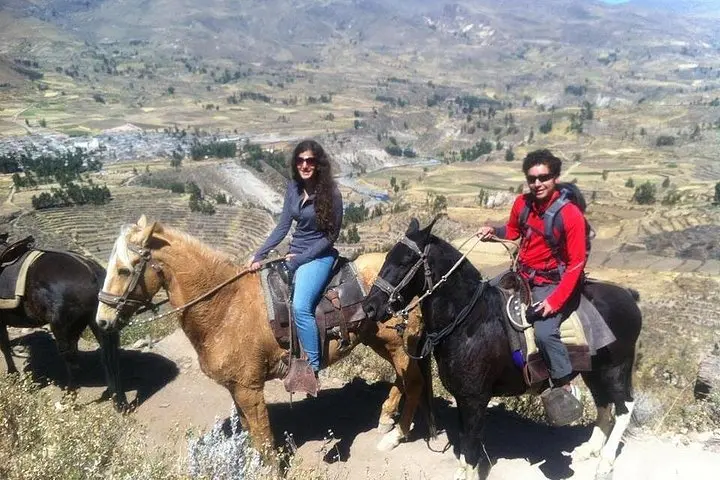
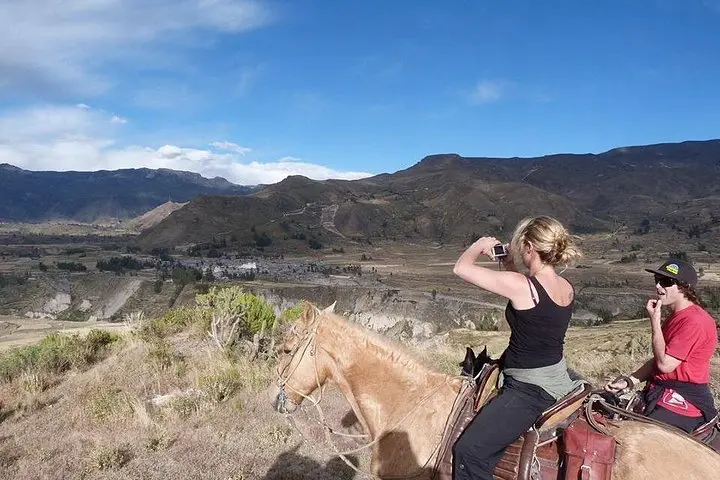
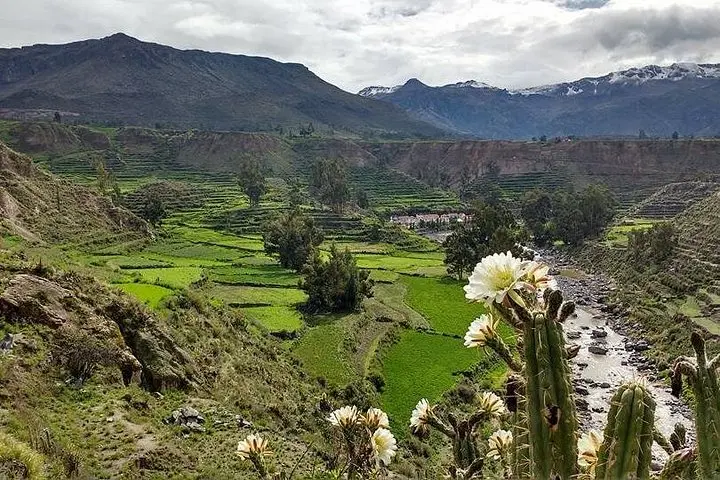
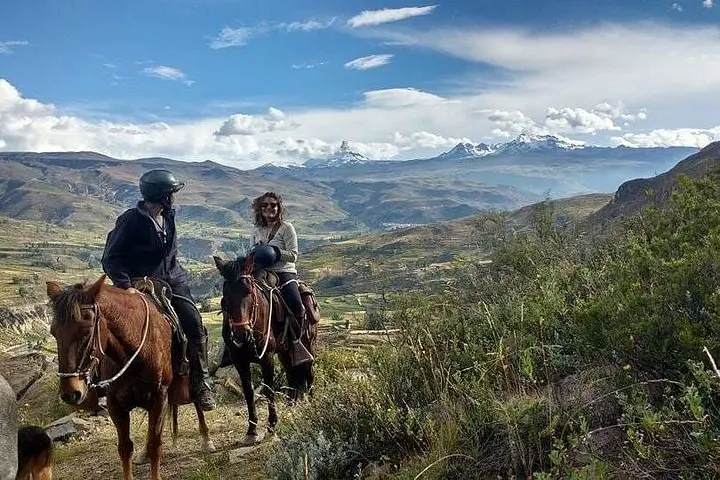
Morning light slices the high plain as the minivan climbs from Arequipa toward the Colca Valley, and the Andes open into terraces and volcanic shoulders that look carved by deliberate hands. By afternoon the tour drops you in Yanque; horses wait, patient and sure-footed, ready to carry riders across narrow trails and past stone terraces that step down into the canyon.
Morning light slices the high plain as the minivan climbs from Arequipa toward the Colca Valley, and the Andes open into terraces and volcanic shoulders that look carved by deliberate hands. By afternoon the tour drops you in Yanque; horses wait, patient and sure-footed, ready to carry riders across narrow trails and past stone terraces that step down into the canyon.
This two-day loop traces colonial towns, Andean puna, and the deep incision of Colca Canyon — one of the planet’s deepest gorges formed by uplift and relentless river erosion. Archaeological sites like Uyo-Uyo and age-old terraces tell of pre-Inca and Inca farming practices adapted to altitude. Villages such as Chivay and Maca keep a slow pace: market stalls, whitewashed churches, and hot springs offer cultural texture between viewpoints.
Expect a 2–3 hour guided horse ride through Yanque’s countryside on day one, an overnight in a simple valley hotel, and a dawn visit to the Cruz del Condor viewpoint on day two to watch Andean condors wheel on warm thermals. Altitude and temperature swings are the practical realities here — sun and cold can alternate within an hour.
Bring layered clothing, sun protection, and a firm pair of footwear for short hikes and uneven tack. Hydrate before and during the trip; plan for optional entrance fees (Cruz del Condor reserve) and modest extras like hot spring access. The route rewards steady, prepared travelers with dramatic canyon vistas, living agrarian history, and close encounters with Andean wildlife.