THE ADVENTURE COLLECTIVE® · Independent discovery and booking for outdoor travel

Descend from the high plateau of Arequipa into Colca Canyon on a compact 2‑day trek to the palm oasis of Sangalle. Expect steep switchbacks, condor sightings at Cruz del Condor and a rustic overnight in canyon-side cabins.
Descend from the high plateau of Arequipa into Colca Canyon on a compact 2‑day trek to the palm oasis of Sangalle. Expect steep switchbacks, condor sightings at Cruz del Condor and a rustic overnight in canyon-side cabins.
Before dawn the minivan slips out of Arequipa and the highway unwinds toward the high plateau—air thin, light cold and crisp. By midmorning the bus drops you at Pampa San Miguel; from the rim the canyon yaws open below, a scar of layered rock and terraces that dares you to descend. The first day is a focused trade: a long bus transfer, a morning lookout at La Cruz del Condor where condors wheel on thermal lifts, then a zig-zag descent through scrub, terraces and irrigation channels to the river and the palm-fringed Sangalle oasis.
Verified experiences and guided adventures in the surrounding area.
Operated by Turismo Liberty Perú · Cabanaconde, Arequipa
Before dawn the minivan slips out of Arequipa and the highway unwinds toward the high plateau—air thin, light cold and crisp. By midmorning the bus drops you at Pampa San Miguel; from the rim the canyon yaws open below, a scar of layered rock and terraces that dares you to descend. The first day is a focused trade: a long bus transfer, a morning lookout at La Cruz del Condor where condors wheel on thermal lifts, then a zig-zag descent through scrub, terraces and irrigation channels to the river and the palm-fringed Sangalle oasis.
Geology here is immediate: the Colca formed where uplifted volcanic and sedimentary strata split under tectonic pressure, creating one of the world's deepest canyons. Culturally, the valley holds pre-Columbian terraces still farmed by communities whose adobe villages and stone bridges mark centuries of continuity.
Practical guidance is straightforward. Departure from Arequipa is early (around 3:00–3:30 a.m.); expect roughly six hours by bus to the trailhead with stops for breakfast and the condor viewpoint. The descent to San Juan de Chuccho and on to Sangalle takes about 3–4 hours over steep, uneven switchbacks; your return involves a demanding ascent the next morning. Lodging is rustic cabins; meals include lunch, dinner and breakfast with a second-day buffet. Bring layered clothing for temperature swings, sturdy boots for loose rock, at least 2–3 liters of water and sun protection. Note: the route requires high fitness and is not recommended for those with serious cardiovascular issues, pregnancy or spinal injuries.
Timing your trek to avoid peak heat, pacing the ascent, and respecting local water sources will make the canyon feel like more than a photo—an earned stretch of landscape and history.
The descent is moderate but the next-day ascent is strenuous; expect several hours of steep climbing and plan for a high level of fitness.
Condor sightings depend on weather and seasonal conditions, but La Cruz del Condor is a reliable viewpoint where thermals concentrate birds in the morning.
Overnight is in rustic cabins at Sangalle with shared facilities; dinner and breakfast are included and the pool is heated to about 20°C.
Yes—Arequipa is at high altitude and rapid exertion can trigger symptoms; allow time in Arequipa and stay well hydrated.
Turismo Liberty Perú operates guided outdoor trips and adventures with an emphasis on safety, stewardship, and memorable experiences.
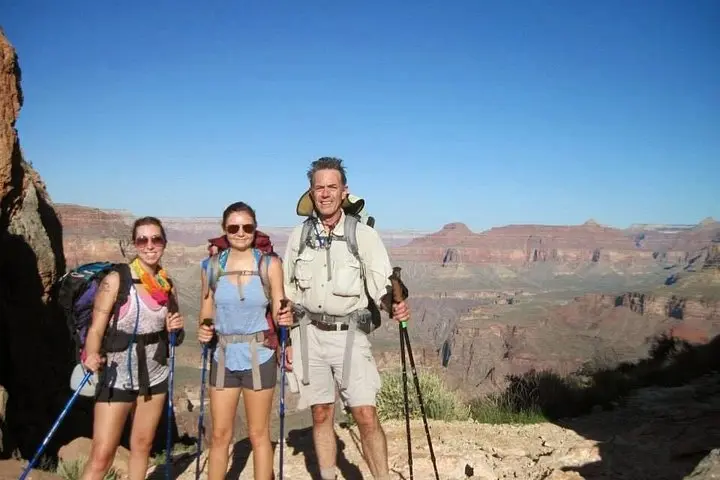
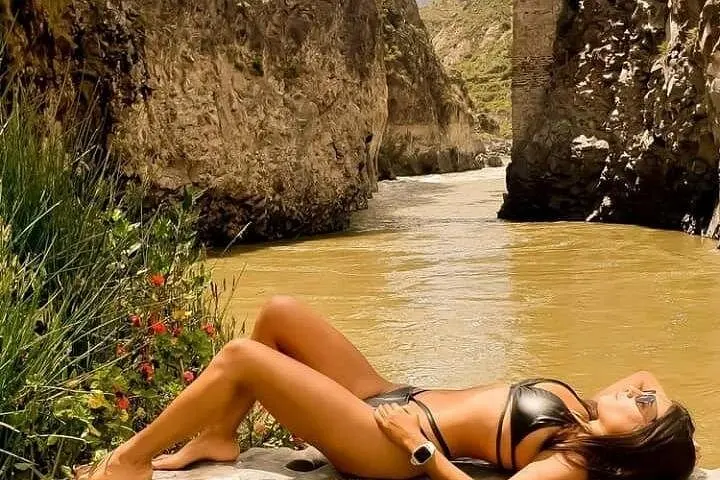
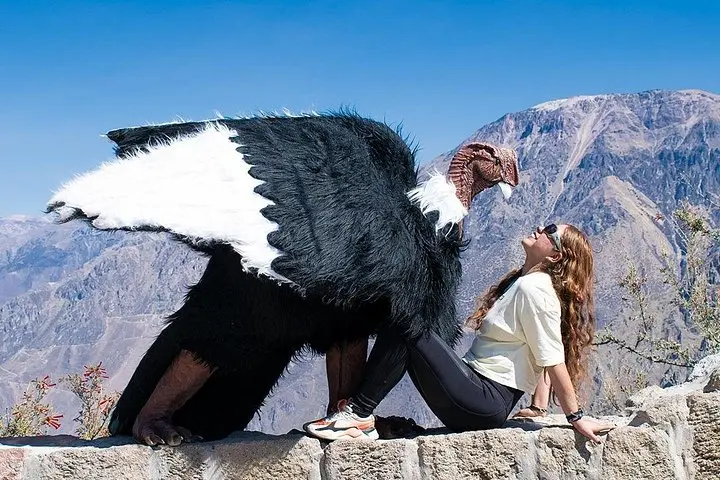
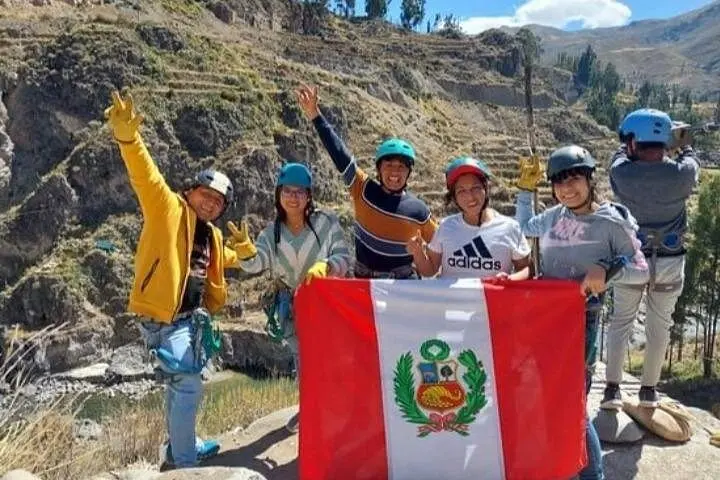
Before dawn the minivan slips out of Arequipa and the highway unwinds toward the high plateau—air thin, light cold and crisp. By midmorning the bus drops you at Pampa San Miguel; from the rim the canyon yaws open below, a scar of layered rock and terraces that dares you to descend. The first day is a focused trade: a long bus transfer, a morning lookout at La Cruz del Condor where condors wheel on thermal lifts, then a zig-zag descent through scrub, terraces and irrigation channels to the river and the palm-fringed Sangalle oasis.
Before dawn the minivan slips out of Arequipa and the highway unwinds toward the high plateau—air thin, light cold and crisp. By midmorning the bus drops you at Pampa San Miguel; from the rim the canyon yaws open below, a scar of layered rock and terraces that dares you to descend. The first day is a focused trade: a long bus transfer, a morning lookout at La Cruz del Condor where condors wheel on thermal lifts, then a zig-zag descent through scrub, terraces and irrigation channels to the river and the palm-fringed Sangalle oasis.
Geology here is immediate: the Colca formed where uplifted volcanic and sedimentary strata split under tectonic pressure, creating one of the world's deepest canyons. Culturally, the valley holds pre-Columbian terraces still farmed by communities whose adobe villages and stone bridges mark centuries of continuity.
Practical guidance is straightforward. Departure from Arequipa is early (around 3:00–3:30 a.m.); expect roughly six hours by bus to the trailhead with stops for breakfast and the condor viewpoint. The descent to San Juan de Chuccho and on to Sangalle takes about 3–4 hours over steep, uneven switchbacks; your return involves a demanding ascent the next morning. Lodging is rustic cabins; meals include lunch, dinner and breakfast with a second-day buffet. Bring layered clothing for temperature swings, sturdy boots for loose rock, at least 2–3 liters of water and sun protection. Note: the route requires high fitness and is not recommended for those with serious cardiovascular issues, pregnancy or spinal injuries.
Timing your trek to avoid peak heat, pacing the ascent, and respecting local water sources will make the canyon feel like more than a photo—an earned stretch of landscape and history.