THE ADVENTURE COLLECTIVE® · Independent discovery and booking for outdoor travel

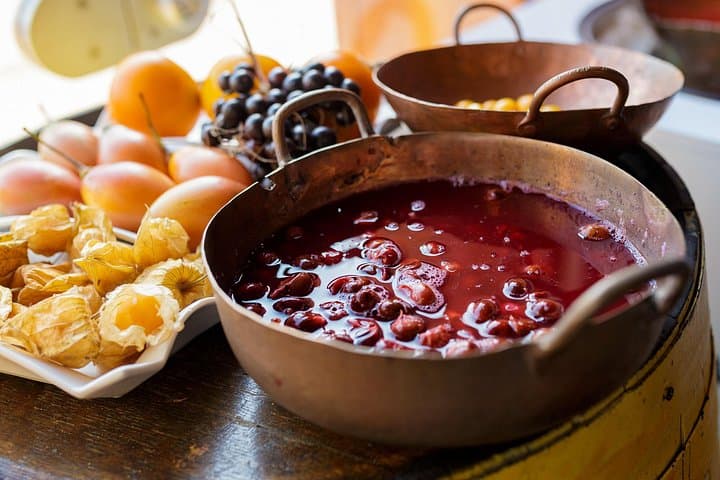
Taste Cartagena through its fruit: a guided tasting of at least five tropical fruits followed by live paila ice cream made with natural ingredients. Small-group, 75-minute sessions include gluten- and dairy-free options and insights into local food culture.
Taste Cartagena through its fruit: a guided tasting of at least five tropical fruits followed by live paila ice cream made with natural ingredients. Small-group, 75-minute sessions include gluten- and dairy-free options and insights into local food culture.
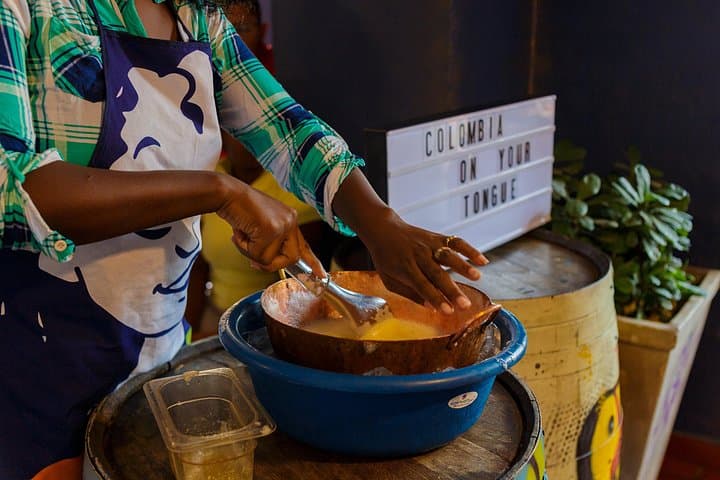
You step into a small plaza near Cartagena’s walled city and the air changes—sour mango, citrus sharp as a whistle, and the green perfume of unripe guava rise from wooden crates. Vendors call out in a steady rhythm; a bronze paila hisses as cane sugar melts and fruit purée becomes ice cream before your eyes.
Verified experiences and guided adventures in the surrounding area.
Operated by Local Colombia · Cartagena, Bolívar
You step into a small plaza near Cartagena’s walled city and the air changes—sour mango, citrus sharp as a whistle, and the green perfume of unripe guava rise from wooden crates. Vendors call out in a steady rhythm; a bronze paila hisses as cane sugar melts and fruit purée becomes ice cream before your eyes.
Fruits have carried Cartagena’s story for centuries: indigenous cultivation before Spanish trade routes, then Afro-Caribbean influence in recipes and street food. The soils and heat of the Caribbean coast favor fast-ripening tropical species—mango, guava, lulo, and zapote—each with textures and acids shaped by salt-laden breeze and sun. The paila, a shallow bronze pan, is a colonial-era technique adapted locally: it freezes fruit with crushed ice and salt while infusing bright, immediate flavors.
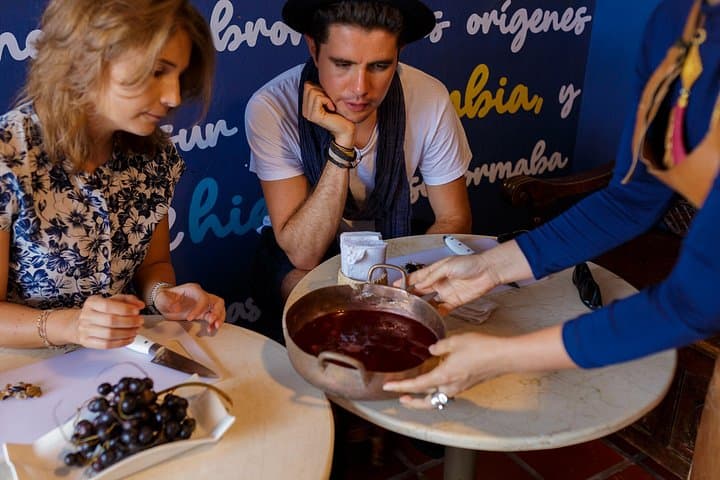
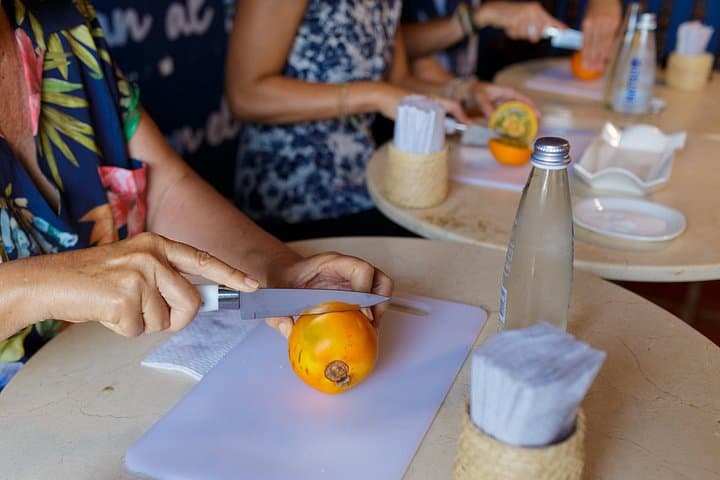
This tasting mixes tactile learning—peeling, smelling, cutting—with a live demonstration of artisanal ice cream, plus options for gluten- and dairy-free. Expect a small-group, 75-minute session led by local guides who explain seasonal availability and the cultural uses of each fruit.
Practical tips: arrive with water and light footwear for uneven cobbles, flag dietary needs in advance, and come hungry—portions are generous but paced. Morning sessions dodge the midday heat and bring fresher fruit. Photography-friendly and family-friendly, the experience favors curious eaters over formal diners. Support local producers by asking about sourcing and consider buying whole fruit from nearby stalls to continue the tasting after the tour.
Meet near a central plaza close to Cartagena’s historic center; exact meeting details are provided on booking confirmation.
Yes—gluten-free and dairy-free ice cream and alternatives are offered if you indicate needs when booking.
Yes—this is family-friendly, but children should be supervised around the bronze paila and ice used for the demonstration.
Expect at least five different fruits plus a sampling of artisanal ice cream; portions are tasting-sized but generous enough to get a clear sense of each flavor.
Local Colombia operates guided outdoor trips and adventures with an emphasis on safety, stewardship, and memorable experiences.
You step into a small plaza near Cartagena’s walled city and the air changes—sour mango, citrus sharp as a whistle, and the green perfume of unripe guava rise from wooden crates. Vendors call out in a steady rhythm; a bronze paila hisses as cane sugar melts and fruit purée becomes ice cream before your eyes.
You step into a small plaza near Cartagena’s walled city and the air changes—sour mango, citrus sharp as a whistle, and the green perfume of unripe guava rise from wooden crates. Vendors call out in a steady rhythm; a bronze paila hisses as cane sugar melts and fruit purée becomes ice cream before your eyes.
Fruits have carried Cartagena’s story for centuries: indigenous cultivation before Spanish trade routes, then Afro-Caribbean influence in recipes and street food. The soils and heat of the Caribbean coast favor fast-ripening tropical species—mango, guava, lulo, and zapote—each with textures and acids shaped by salt-laden breeze and sun. The paila, a shallow bronze pan, is a colonial-era technique adapted locally: it freezes fruit with crushed ice and salt while infusing bright, immediate flavors.
This tasting mixes tactile learning—peeling, smelling, cutting—with a live demonstration of artisanal ice cream, plus options for gluten- and dairy-free. Expect a small-group, 75-minute session led by local guides who explain seasonal availability and the cultural uses of each fruit.
Practical tips: arrive with water and light footwear for uneven cobbles, flag dietary needs in advance, and come hungry—portions are generous but paced. Morning sessions dodge the midday heat and bring fresher fruit. Photography-friendly and family-friendly, the experience favors curious eaters over formal diners. Support local producers by asking about sourcing and consider buying whole fruit from nearby stalls to continue the tasting after the tour.