THE ADVENTURE COLLECTIVE® · Independent discovery and booking for outdoor travel

Explore Colombo’s after-dark pulse on a private tour that pairs colonial landmarks with late-night street-food stops. Walk coastal parks, visit temples by lantern-light, and sample iconic Sri Lankan snacks while learning local customs and practical tips for a safe evening out.
Explore Colombo’s after-dark pulse on a private tour that pairs colonial landmarks with late-night street-food stops. Walk coastal parks, visit temples by lantern-light, and sample iconic Sri Lankan snacks while learning local customs and practical tips for a safe evening out.
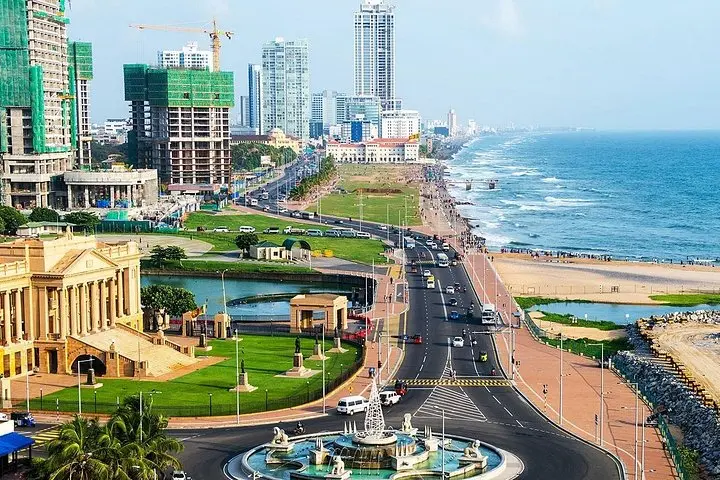
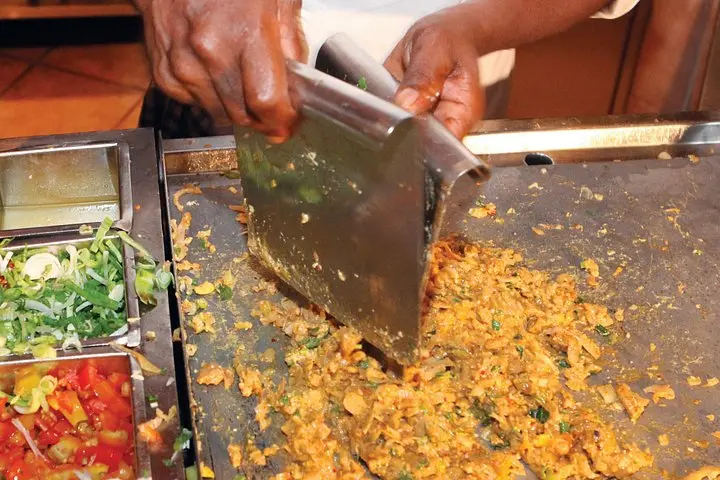
The walk begins where the sea breathes onto the city—Galle Face Green’s shoreline under sodium lamps, the ocean daring the air to stay still. Tuk-tuks thread neon-lit arteries, vendors sling hoppers and kottu on hot griddles, and the skyline alternates between colonial masonry and new glass facades.
Verified experiences and guided adventures in the surrounding area.
Operated by Sigiritrip Tours · Colombo, Western Province
The walk begins where the sea breathes onto the city—Galle Face Green’s shoreline under sodium lamps, the ocean daring the air to stay still. Tuk-tuks thread neon-lit arteries, vendors sling hoppers and kottu on hot griddles, and the skyline alternates between colonial masonry and new glass facades.
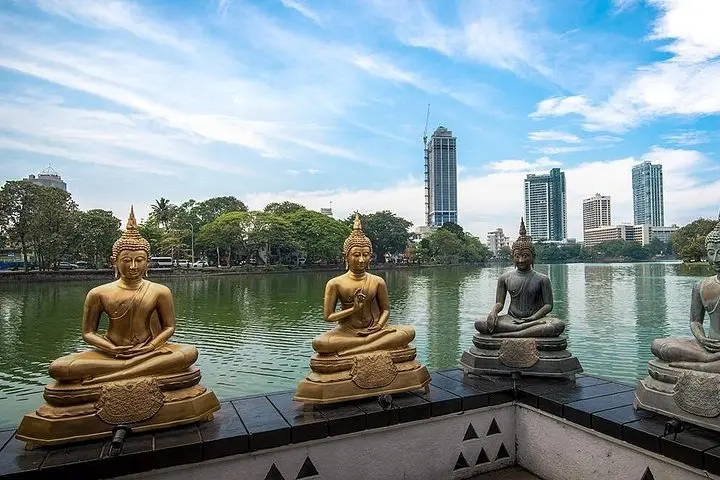
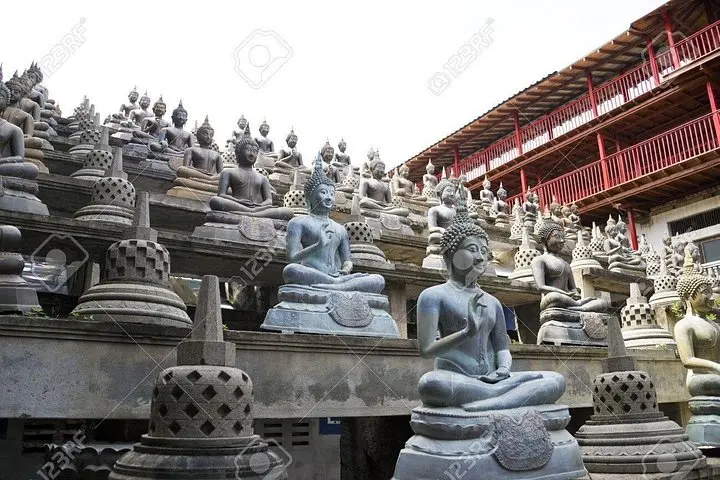
Colombo’s streets are layered history: Dutch Hospital’s low-slung stonework from the colonial era, the British-era Town Hall facing Viharamahadevi Park, and Gangaramaya Temple’s mix of modern and traditional architecture on Beira Lake. Geologically the city sits on a coastal plain, shaped by lagoon and reclaimed land; the Beira Lake is a reminder of the city’s watery past and present.
Culturally the night tour is a study in contrast—Buddhist rituals at temple shrines, late-night street-food culture fueled by families and office workers, and an evolving dining scene in restored heritage blocks. Kelaniya Temple’s famed paintings and the quiet of Arcade Independence Square give context to the food stops: dosa, hoppers, sweet pani pol, and savory skewers.
Practically, this is an easy, low-impact evening designed for walkers who want tastes and stories. Expect 4–6 hours with frequent stops, short walks between sites, and temple visits that require modest dress and shoe removal. Bring small cash for street vendors, a charged phone and power bank for photos, a light layer against sea breezes, and patience for traffic and crowds. Respect shrine etiquette, ask before photographing worshippers, and choose busy vendors for the freshest street food. The rhythm is urban—fast-moving, flavorful, and reliably alive after sunset.
Guides select busy vendors and popular items; choose freshly cooked, piping-hot food and avoid anything that looks pre-prepared and unrefrigerated.
Yes—Gangaramaya and other temples are included; wear clothing that covers shoulders and knees and be prepared to remove shoes inside.
The operator lists wheelchair accessibility; however, some heritage sites and sidewalks may be uneven—confirm specifics and pickup logistics when booking.
Typical duration is 4–6 hours depending on start time; private transport is included so return to your hotel is arranged as part of the tour.
Sigiritrip Tours operates guided outdoor trips and adventures with an emphasis on safety, stewardship, and memorable experiences.
The walk begins where the sea breathes onto the city—Galle Face Green’s shoreline under sodium lamps, the ocean daring the air to stay still. Tuk-tuks thread neon-lit arteries, vendors sling hoppers and kottu on hot griddles, and the skyline alternates between colonial masonry and new glass facades.
The walk begins where the sea breathes onto the city—Galle Face Green’s shoreline under sodium lamps, the ocean daring the air to stay still. Tuk-tuks thread neon-lit arteries, vendors sling hoppers and kottu on hot griddles, and the skyline alternates between colonial masonry and new glass facades.
Colombo’s streets are layered history: Dutch Hospital’s low-slung stonework from the colonial era, the British-era Town Hall facing Viharamahadevi Park, and Gangaramaya Temple’s mix of modern and traditional architecture on Beira Lake. Geologically the city sits on a coastal plain, shaped by lagoon and reclaimed land; the Beira Lake is a reminder of the city’s watery past and present.
Culturally the night tour is a study in contrast—Buddhist rituals at temple shrines, late-night street-food culture fueled by families and office workers, and an evolving dining scene in restored heritage blocks. Kelaniya Temple’s famed paintings and the quiet of Arcade Independence Square give context to the food stops: dosa, hoppers, sweet pani pol, and savory skewers.
Practically, this is an easy, low-impact evening designed for walkers who want tastes and stories. Expect 4–6 hours with frequent stops, short walks between sites, and temple visits that require modest dress and shoe removal. Bring small cash for street vendors, a charged phone and power bank for photos, a light layer against sea breezes, and patience for traffic and crowds. Respect shrine etiquette, ask before photographing worshippers, and choose busy vendors for the freshest street food. The rhythm is urban—fast-moving, flavorful, and reliably alive after sunset.