THE ADVENTURE COLLECTIVE® · Independent discovery and booking for outdoor travel

Explore Colombo in four hours: from the colonial fort and bustling Pettah Market to Gangaramaya Temple and the Lotus Tower. This private, air‑conditioned tour pairs local stories with practical stops for photos and cultural context.
Explore Colombo in four hours: from the colonial fort and bustling Pettah Market to Gangaramaya Temple and the Lotus Tower. This private, air‑conditioned tour pairs local stories with practical stops for photos and cultural context.
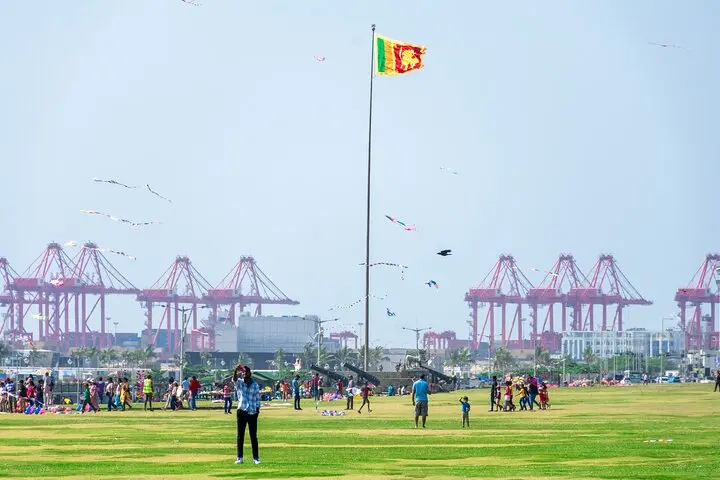
The morning air off the Indian Ocean presses cool against the car window as you slip from Negombo toward Colombo’s harbor — a ribbon of cranes and glass rising where 19th‑century docks once groaned with steamships. Streets thrum with motorbikes and hawkers; the city pulls you toward a mix of spice-scented alleys and broad colonial boulevards.
Verified experiences and guided adventures in the surrounding area.
Operated by VOYA · Colombo, Western Province
The morning air off the Indian Ocean presses cool against the car window as you slip from Negombo toward Colombo’s harbor — a ribbon of cranes and glass rising where 19th‑century docks once groaned with steamships. Streets thrum with motorbikes and hawkers; the city pulls you toward a mix of spice-scented alleys and broad colonial boulevards.
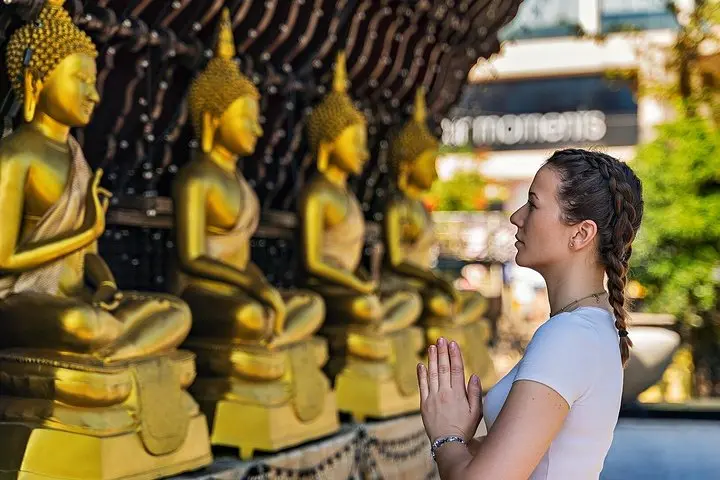
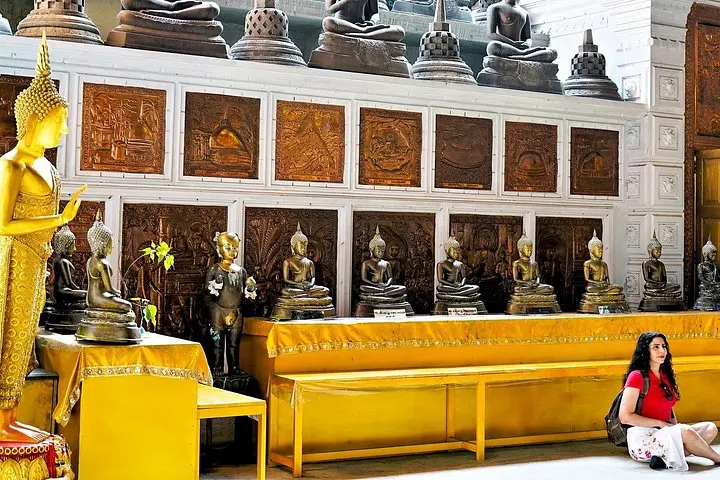
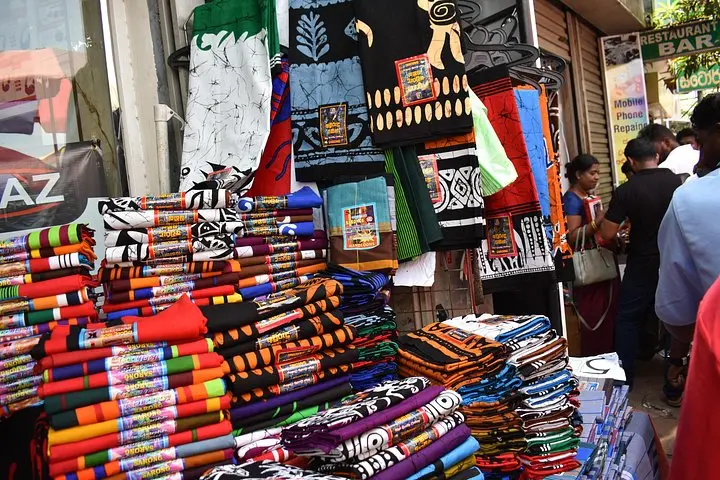
This four‑hour private tour threads history and modernity. You’ll pass the Lotus Tower’s modern silhouette, the Independence Memorial Hall with its 1948 commemoration, and the Fort district’s colonial façades that mark Ceylon’s strategic role in British maritime trade. Pettah Market exposes the living economy—spices, textiles and the architecture of commerce—while Gangaramaya Temple offers Buddhist sculpture, ritual, and a small museum that maps Sri Lanka’s religious life.
Geology is subtle: the low, flat coastal plain gives way to reclaimed lands and harbor fills that enabled Colombo’s port growth. Culture here is layered—Sinhala, Tamil, Muslim and colonial influences coexist in cuisine, temples, mosques and marketplaces. Expect respectful rituals at religious sites (remove shoes, modest dress), the city’s relentless traffic, and quick photo stops that capture both weathered stone and chrome glass.
Practical guidance: the tour is private and air‑conditioned; bring water, sun protection, and small bills for entry fees (Lotus Tower and some temples may charge). Plan the visit early or late afternoon to avoid peak heat and heavy traffic. With a knowledgeable guide, the route becomes a compact primer on Colombo’s transformation from British port to a complex, modern capital.
No; several attractions (Lotus Tower, some temple donations or museum fees) are typically paid on site—bring cash or card where accepted.
The tour and transportation are wheelchair accessible, but some temple complexes and market alleys have uneven surfaces; check specific stop accessibility with the operator.
Yes—this tour operates from Negombo with private transfer; booking questions allow you to provide flight and pickup details for coordination.
Tipping is customary if you receive good service—small cash tips for guides and drivers are appreciated but discretionary.
VOYA operates guided outdoor trips and adventures with an emphasis on safety, stewardship, and memorable experiences.
The morning air off the Indian Ocean presses cool against the car window as you slip from Negombo toward Colombo’s harbor — a ribbon of cranes and glass rising where 19th‑century docks once groaned with steamships. Streets thrum with motorbikes and hawkers; the city pulls you toward a mix of spice-scented alleys and broad colonial boulevards.
The morning air off the Indian Ocean presses cool against the car window as you slip from Negombo toward Colombo’s harbor — a ribbon of cranes and glass rising where 19th‑century docks once groaned with steamships. Streets thrum with motorbikes and hawkers; the city pulls you toward a mix of spice-scented alleys and broad colonial boulevards.
This four‑hour private tour threads history and modernity. You’ll pass the Lotus Tower’s modern silhouette, the Independence Memorial Hall with its 1948 commemoration, and the Fort district’s colonial façades that mark Ceylon’s strategic role in British maritime trade. Pettah Market exposes the living economy—spices, textiles and the architecture of commerce—while Gangaramaya Temple offers Buddhist sculpture, ritual, and a small museum that maps Sri Lanka’s religious life.
Geology is subtle: the low, flat coastal plain gives way to reclaimed lands and harbor fills that enabled Colombo’s port growth. Culture here is layered—Sinhala, Tamil, Muslim and colonial influences coexist in cuisine, temples, mosques and marketplaces. Expect respectful rituals at religious sites (remove shoes, modest dress), the city’s relentless traffic, and quick photo stops that capture both weathered stone and chrome glass.
Practical guidance: the tour is private and air‑conditioned; bring water, sun protection, and small bills for entry fees (Lotus Tower and some temples may charge). Plan the visit early or late afternoon to avoid peak heat and heavy traffic. With a knowledgeable guide, the route becomes a compact primer on Colombo’s transformation from British port to a complex, modern capital.