THE ADVENTURE COLLECTIVE® · Independent discovery and booking for outdoor travel

A three-hour guided walk through Colombo’s busiest neighborhoods that combines architecture, multi-faith sites and street-food stops. Great for first-day orientation and sampling the city’s flavors.
A three-hour guided walk through Colombo’s busiest neighborhoods that combines architecture, multi-faith sites and street-food stops. Great for first-day orientation and sampling the city’s flavors.
The walk begins where traffic loosens into wide sidewalks and the sea breeze from Colombo Harbour dares you to slow down and look up. On a three-hour route through the busiest quarters, travelers move from glass-fronted offices to narrow market lanes, past mosques, kovils, churches and Buddhist shrines that stand shoulder-to-shoulder in the city’s living map.
Verified experiences and guided adventures in the surrounding area.
Operated by Real Lanka Holidays · Colombo, Western Province
The walk begins where traffic loosens into wide sidewalks and the sea breeze from Colombo Harbour dares you to slow down and look up. On a three-hour route through the busiest quarters, travelers move from glass-fronted offices to narrow market lanes, past mosques, kovils, churches and Buddhist shrines that stand shoulder-to-shoulder in the city’s living map.
Colombo’s streets tell a layered history: a centuries-old trading port shaped by Portuguese, Dutch and British hands, where colonial facades meet post-independence developments. The ground underfoot is reclaimed marsh and coral-limestone bedrock softened by landfill; architecture and street patterns reflect that gradual remaking. Culture here is public and audible—prayer calls, hawkers’ cries and the clatter of tuk-tuks providing a soundtrack as guides point out sites and local rituals.
Locals know the lane-side fruit vendors, the small Hindu shrine tucked behind a spice stall, and the less-visited end of Beira Lake where waterbirds pick through algae-soaked edges. Those are the kind of details a guided walk surfaces—practical orientation, not a museum lecture.
For planning: wear sturdy shoes, bring a refillable water bottle and small local currency for street snacks. Respect dress codes at worship sites (shoulders and knees covered) and expect uneven pavements and sudden traffic. The best time is early morning or late afternoon to avoid the raw midday heat. Guides typically include snack tastings; food safety is basic—choose busy stalls. This walk is short but dense: a rapid primer on Colombo’s people, power and palate, useful for anyone beginning a Sri Lanka trip.
The tour lasts about 2–3 hours and involves continuous walking on city pavements, with short stops at markets and worship sites.
Yes—it's rated easy and accessible to most ages, though participants should be comfortable walking for up to three hours and navigating some crowded areas.
Guides typically include small tastings like tropical fruit or snacks; bring extra cash if you want larger meals or more samples.
Yes—visits to mosques, temples and churches are common; cover shoulders and knees, and remove shoes where required.
Real Lanka Holidays operates guided outdoor trips and adventures with an emphasis on safety, stewardship, and memorable experiences.
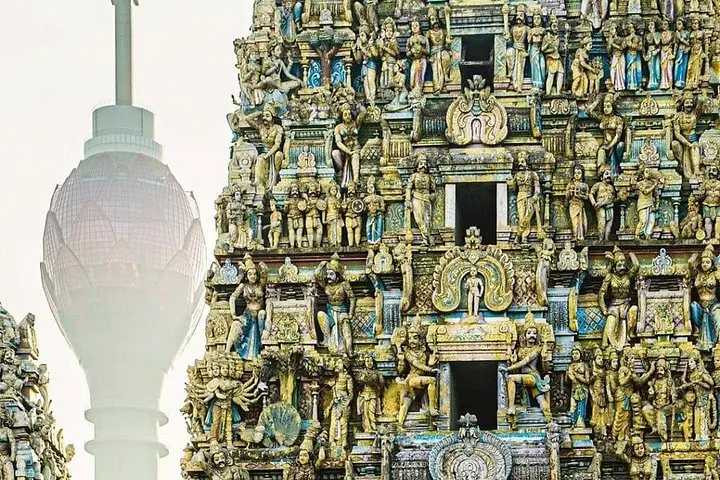
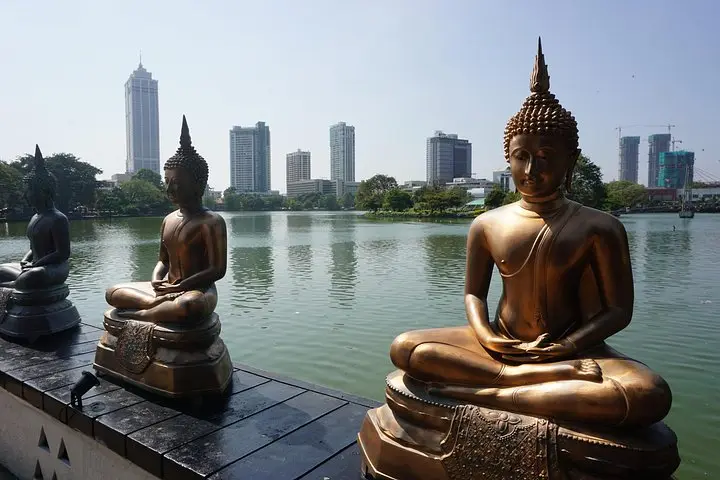
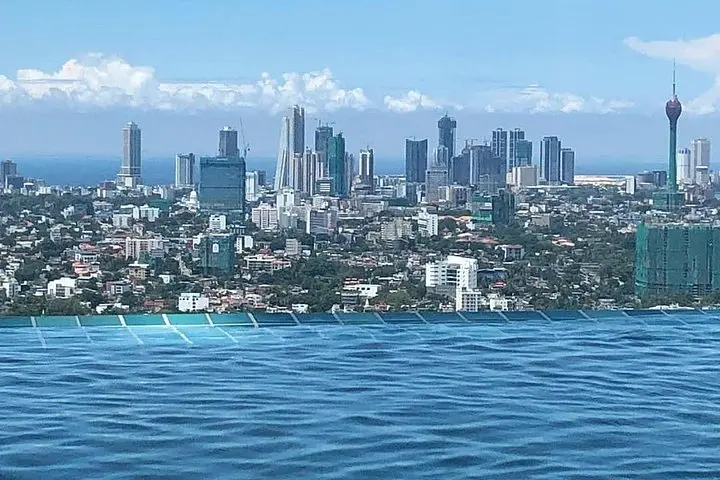
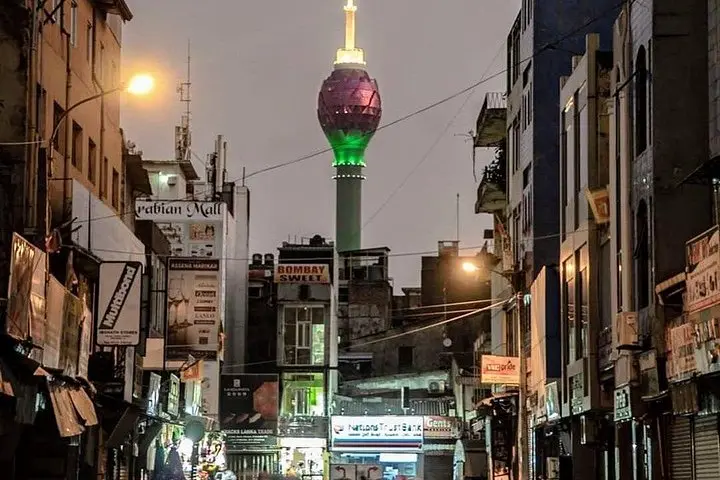
The walk begins where traffic loosens into wide sidewalks and the sea breeze from Colombo Harbour dares you to slow down and look up. On a three-hour route through the busiest quarters, travelers move from glass-fronted offices to narrow market lanes, past mosques, kovils, churches and Buddhist shrines that stand shoulder-to-shoulder in the city’s living map.
The walk begins where traffic loosens into wide sidewalks and the sea breeze from Colombo Harbour dares you to slow down and look up. On a three-hour route through the busiest quarters, travelers move from glass-fronted offices to narrow market lanes, past mosques, kovils, churches and Buddhist shrines that stand shoulder-to-shoulder in the city’s living map.
Colombo’s streets tell a layered history: a centuries-old trading port shaped by Portuguese, Dutch and British hands, where colonial facades meet post-independence developments. The ground underfoot is reclaimed marsh and coral-limestone bedrock softened by landfill; architecture and street patterns reflect that gradual remaking. Culture here is public and audible—prayer calls, hawkers’ cries and the clatter of tuk-tuks providing a soundtrack as guides point out sites and local rituals.
Locals know the lane-side fruit vendors, the small Hindu shrine tucked behind a spice stall, and the less-visited end of Beira Lake where waterbirds pick through algae-soaked edges. Those are the kind of details a guided walk surfaces—practical orientation, not a museum lecture.
For planning: wear sturdy shoes, bring a refillable water bottle and small local currency for street snacks. Respect dress codes at worship sites (shoulders and knees covered) and expect uneven pavements and sudden traffic. The best time is early morning or late afternoon to avoid the raw midday heat. Guides typically include snack tastings; food safety is basic—choose busy stalls. This walk is short but dense: a rapid primer on Colombo’s people, power and palate, useful for anyone beginning a Sri Lanka trip.