THE ADVENTURE COLLECTIVE® · Independent discovery and booking for outdoor travel

A guided walking tour through Colombo’s immigrant eateries and colonial streets where spice blends, short eats and tea stalls reveal 1,500 years of trade and culture. Expect 4–5 hours of light walking, dozens of tastings and local stories behind each bite.
A guided walking tour through Colombo’s immigrant eateries and colonial streets where spice blends, short eats and tea stalls reveal 1,500 years of trade and culture. Expect 4–5 hours of light walking, dozens of tastings and local stories behind each bite.
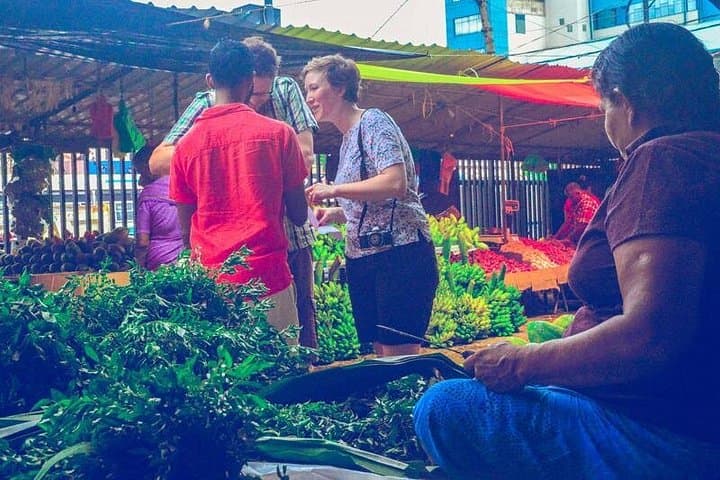
You step off a shaded pavement into a corridor of sound: vendors calling, tuk‑tuks threading the air, and the deep aroma of curry and roasting spices daring you down the lane. The tour moves at a human pace—stops for short eats, a pot of tea, and conversations with cooks who inherited recipes from migrating communities.
Verified experiences and guided adventures in the surrounding area.
Operated by Ceylon Rustic Guide · Colombo, Western Province
You step off a shaded pavement into a corridor of sound: vendors calling, tuk‑tuks threading the air, and the deep aroma of curry and roasting spices daring you down the lane. The tour moves at a human pace—stops for short eats, a pot of tea, and conversations with cooks who inherited recipes from migrating communities.
Colombo’s story is tasted as much as seen. Over 1,500 years this port city absorbed South Indian, Arab, Malay and European influences; the colonial façades and the leafy avenues of Cinnamon Gardens still mark where wealth and governance settled. Geologically, the city sits on low coastal plains where the Indian Ocean pushes the climate—expect humidity, minimal elevation gain and paved, often crowded streets.
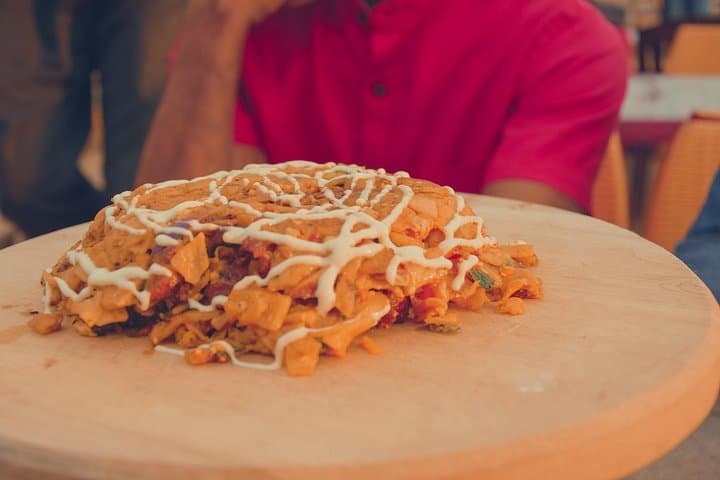
Culturally the route is a crash course: Dutch and British-era pastry techniques sitting beside Tamil dosa stalls and Malay kottu roti, plus immigrant sweets hidden in alleys. Local guides point out how trade routes shaped ingredient lists and how ceremonial foods appear at festivals.
Practical guidance: the tour is roughly 3–5 km of walking over 4–5 hours with frequent food stops and minimal elevation. Wear sturdy walking shoes and smart‑casual clothing, bring a reusable water bottle and small change for street vendors, and set aside time for digestion between heavy samples. Travelers with dietary restrictions should notify the operator in advance. The best windows are morning or early evening to avoid mid‑day heat; pockets of shade and a brisk sea breeze make breaks comfortable. This is a sensory city walk—plan to taste widely and move slowly.
The tour lasts about 4–5 hours and covers roughly 3–5 km of mostly flat, urban walking with frequent food and rest stops.
Yes—this private tour can accommodate dietary restrictions if you indicate them at booking so the guide can choose suitable stops.
Smart casual is recommended; comfortable shoes are essential for walking through markets and streets.
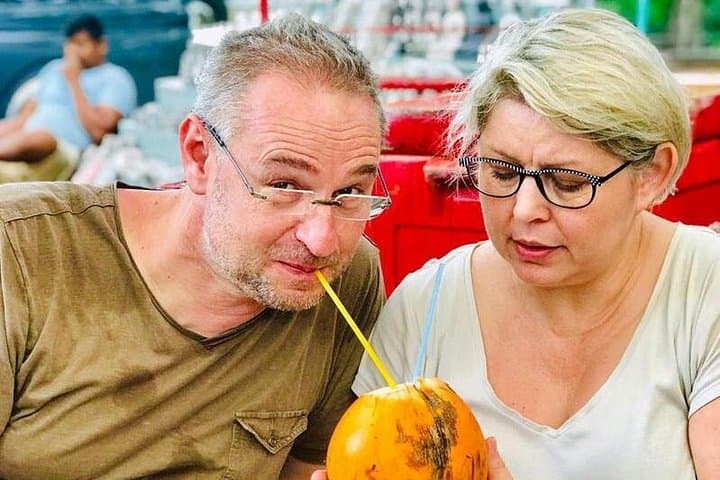
Tea and coffee are included per the itinerary; alcoholic drinks and gratuities are not included and are discretionary.
Ceylon Rustic Guide operates guided outdoor trips and adventures with an emphasis on safety, stewardship, and memorable experiences.
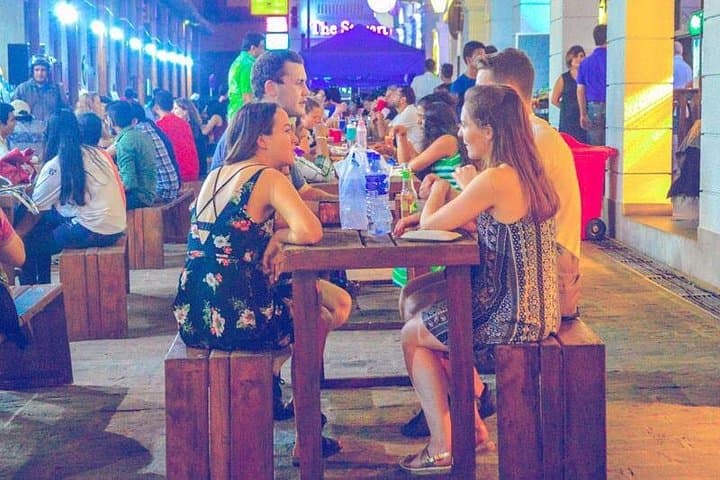
You step off a shaded pavement into a corridor of sound: vendors calling, tuk‑tuks threading the air, and the deep aroma of curry and roasting spices daring you down the lane. The tour moves at a human pace—stops for short eats, a pot of tea, and conversations with cooks who inherited recipes from migrating communities.
You step off a shaded pavement into a corridor of sound: vendors calling, tuk‑tuks threading the air, and the deep aroma of curry and roasting spices daring you down the lane. The tour moves at a human pace—stops for short eats, a pot of tea, and conversations with cooks who inherited recipes from migrating communities.
Colombo’s story is tasted as much as seen. Over 1,500 years this port city absorbed South Indian, Arab, Malay and European influences; the colonial façades and the leafy avenues of Cinnamon Gardens still mark where wealth and governance settled. Geologically, the city sits on low coastal plains where the Indian Ocean pushes the climate—expect humidity, minimal elevation gain and paved, often crowded streets.
Culturally the route is a crash course: Dutch and British-era pastry techniques sitting beside Tamil dosa stalls and Malay kottu roti, plus immigrant sweets hidden in alleys. Local guides point out how trade routes shaped ingredient lists and how ceremonial foods appear at festivals.
Practical guidance: the tour is roughly 3–5 km of walking over 4–5 hours with frequent food stops and minimal elevation. Wear sturdy walking shoes and smart‑casual clothing, bring a reusable water bottle and small change for street vendors, and set aside time for digestion between heavy samples. Travelers with dietary restrictions should notify the operator in advance. The best windows are morning or early evening to avoid mid‑day heat; pockets of shade and a brisk sea breeze make breaks comfortable. This is a sensory city walk—plan to taste widely and move slowly.